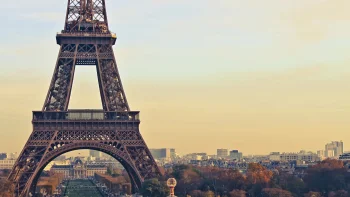
The Louvre: A Museum and a Palace
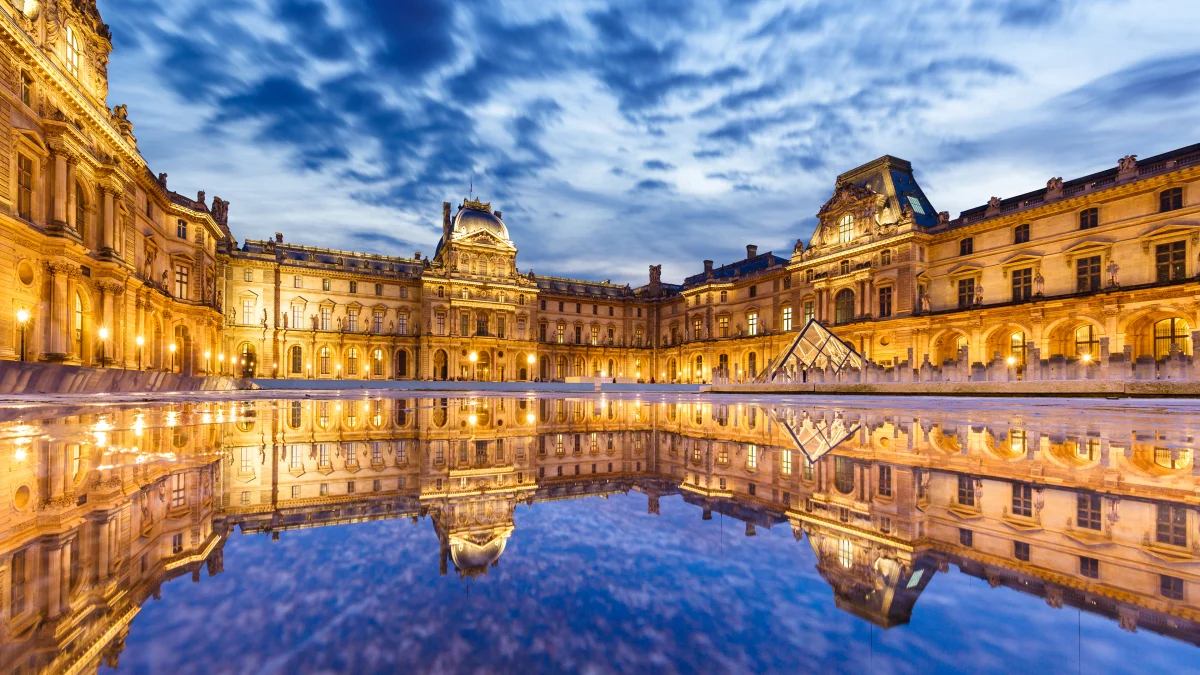
The Louvre is not just a museum, but an entire museum complex in the heart of Paris, preserving thousands of years of human culture, art, and history. The former residence of the French kings now welcomes millions of visitors each year who come to see world-renowned masterpieces with their own eyes.
History: From a Medieval Tower to a Museum
The history of the Louvre began in the late 12th century, when King Philip II Augustus ordered the construction of a rugged defensive fortress on the banks of the Seine to protect Paris from the Vikings and the English. Over time, as the city expanded, the fortress lost its defensive significance, and in the 16th century, under Charles V, the castle began to be transformed into a lavish royal residence.


Each successive monarch remodeled and expanded the palace complex to suit his own taste. However, at the end of the 17th century, Louis XIV decided to move the court to Versailles, and the Louvre fell into disuse for a time. It did not open its doors as a public museum until the French Revolution—in 1793. At that time, the collection comprised just over 500 works of art, most of which were from confiscated royal and ecclesiastical collections.
The Architectural Ensemble and the Glass Pyramid
The Louvre building is a grand architectural kaleidoscope, where medieval fragments of the foundation coexist with opulent Renaissance and Baroque styles. The total area of the museum complex exceeds 360,000 square meters, and the galleries stretch for kilometers.
The Glass Pyramid, built in the Cour Napoléon in 1989 and designed by architect Bai Yuming, has become the main visual focal point of the modern Louvre. Initially, this bold modernist project drew fierce criticism, but today the pyramid has become just as recognizable a symbol of Paris as the palace complex itself. In the photos, the contrast between the ancient stone of the palace facades and the futuristic, illuminated pyramid at night is particularly striking.


Highlights of the Collection
Today, the museum’s collection comprises more than 400,000 items, of which approximately 35,000 are on display in the permanent exhibitions. The entire collection is divided into eight major departments: ranging from Ancient Egypt and the Orient to European painting and sculpture.
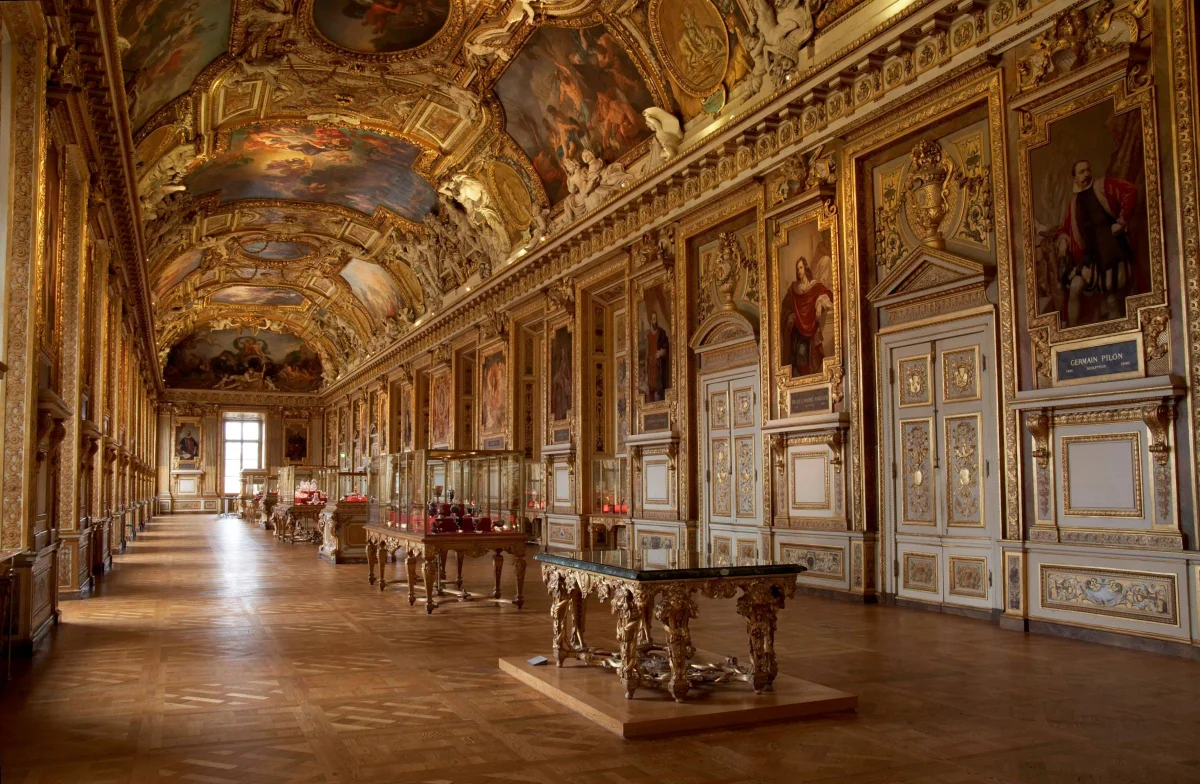
The article “The Louvre: A Museum and a Palace” includes a selection of thematic photo and images suitable for website design, articles, blogs, and creative projects. All images are free to download in high quality.
These images are also great as desktop wallpaper for your computer, phone, or tablet.
Don’t forget to rate and comment on this article – it helps other visitors to our site find popular and truly interesting posts and photos more quickly.


Similar Articles


Thematic Albums



Popular Images