The Colosseum:
A Stone Giant and the Empire’s Bloody Arena
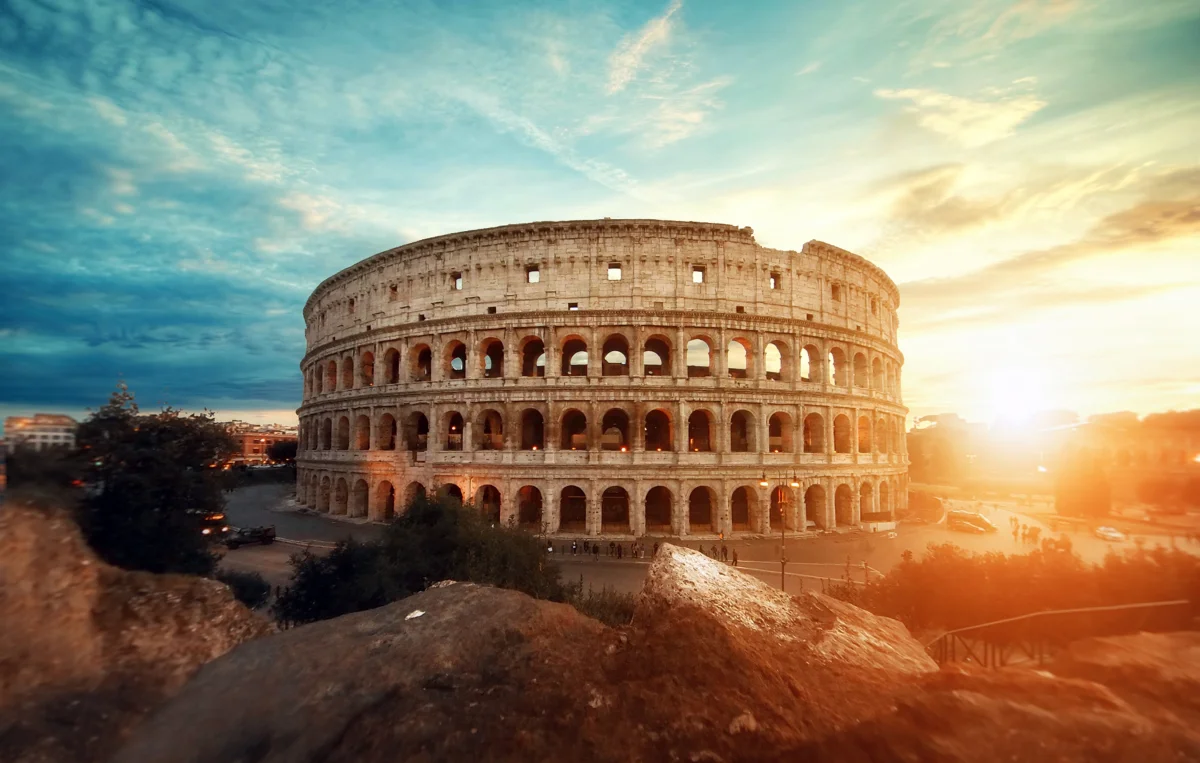
The Colosseum, or the Flavian Amphitheater, is not merely a set of ruins in the center of Rome, but the most magnificent monument to ancient engineering, which served as the prototype for all modern stadiums. Built in just eight years (from 72 to 80 CE), it was intended as a gift from the Flavian dynasty to the Roman people, symbolizing the transition from Nero’s tyranny to an era of social harmony. The scale of the structure remains impressive even today: the elliptical structure, 188 meters long and 156 meters wide, rose to a height of 48.5 meters, which is comparable to a modern 15-story building.


The technical brilliance of the Colosseum lay in its ability to manage massive crowds. Thanks to a well-designed system of 80 entrance arches, numbered for the convenience of spectators, the amphitheater could accommodate, according to various estimates, between 50,000 and 80,000 people, all of whom could completely vacate the building in just 15 minutes. Spectators were seated across four tiers in strict accordance with social status: from the marble boxes of the senators right next to the arena to the wooden benches for the plebeians and women at the very top. To protect the audience from the scorching sun, a “velarium”—a giant linen awning—was stretched over the stands, operated by a special crew of a thousand experienced sailors from the imperial fleet.
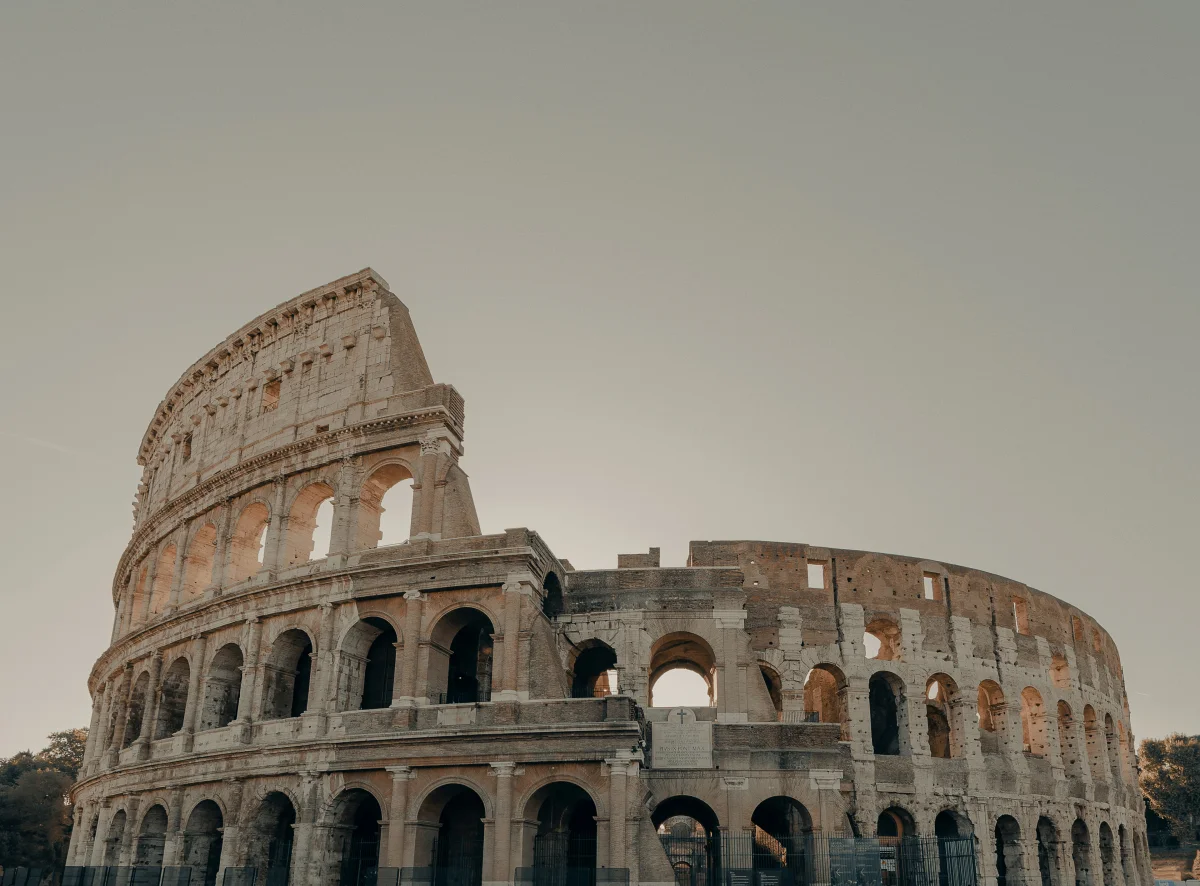
However, the most interesting part was hidden beneath the arena itself, which covered an area of about 3,300 square meters. Beneath the wooden floor, which was covered with sand (in Latin, harena), lay the hypogeum—a two-story labyrinth of brick tunnels and utility rooms. Here, wild beasts waited in cages for their moment, while gladiators prepared to enter the arena. Using a complex system of 80 manual hoists and winches, cages containing tigers or sets weighing several metric tons would suddenly appear right in the middle of the arena through hidden hatches, creating the effect of a magical show. In the first few years after its opening, engineers even managed to fill the arena with water, turning it into an artificial lake for “navmachi”—staged naval battles featuring real ships.
Building such a colossus required enormous resources: approximately 100,000 cubic meters of travertine and an equal amount of tuff were brought in from nearby quarries. The stone blocks were not held together with mortar; instead, the builders used more than 300 metric tons of iron clamps to hold the massive walls together. Although the Colosseum was turned into a makeshift quarry during the Middle Ages, with metal and marble being stripped away for the construction of palaces and churches (including St. Peter’s Basilica), it has endured. Having lost more than two-thirds of its original mass due to earthquakes and looting, the Colosseum remains an eternal reminder of Rome’s might, where architectural genius served the most brutal and spectacular spectacles in history.


The article “The Colosseum: A Stone Giant and the Empire’s Bloody Arena” includes a selection of thematic photo and images suitable for website design, articles, blogs, and creative projects. All images are free to download in high quality.
These images are also great as desktop wallpaper for your computer, phone, or tablet.
Don’t forget to rate and comment on this article – it helps other visitors to our site find popular and truly interesting posts and photos more quickly.


Similar Articles


Thematic Albums




Popular Images