Mount Fuji:
a sacred symbol and the very heart of Japan

There are peaks in the world that are taller, steeper, and more dangerous, but there is hardly a mountain with a more recognizable and perfect silhouette. Mount Fuji is the visual symbol of all of Japan and a major source of inspiration for artists around the world. In this article, we’ll explore why this peak has become sacred, and we’ll also showcase stunning photos of Fuji throughout the seasons—from spring cherry blossoms to autumn maple leaves.
A Symbol of Perfection: Geography and Nature
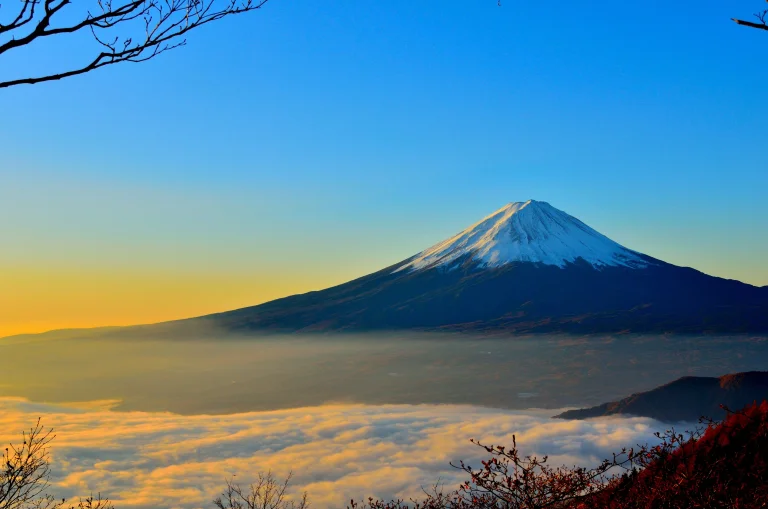
Mount Fuji is the highest point in Japan, with its summit reaching 3,776 meters above sea level. Geographically, it is located on the island of Honshu, just a hundred kilometers southwest of Tokyo, so on clear days its majestic snow-capped peak can be seen directly from the capital’s skyscrapers.
From a geological perspective, Mount Fuji is a stratovolcano with a perfect conical shape. What we see today is the result of centuries of volcanic activity. The last major eruption occurred in 1707, when ash even blanketed the streets of what was then Edo (Tokyo). Today, the volcano is considered low-activity or “dormant”, but scientists monitor it continuously, around the clock.


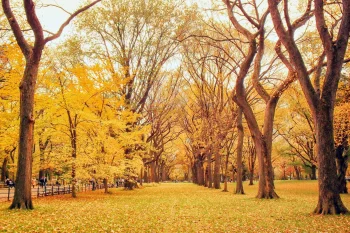
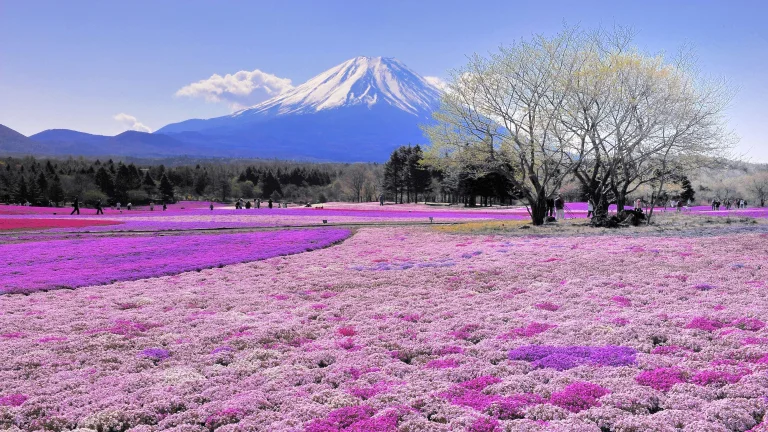
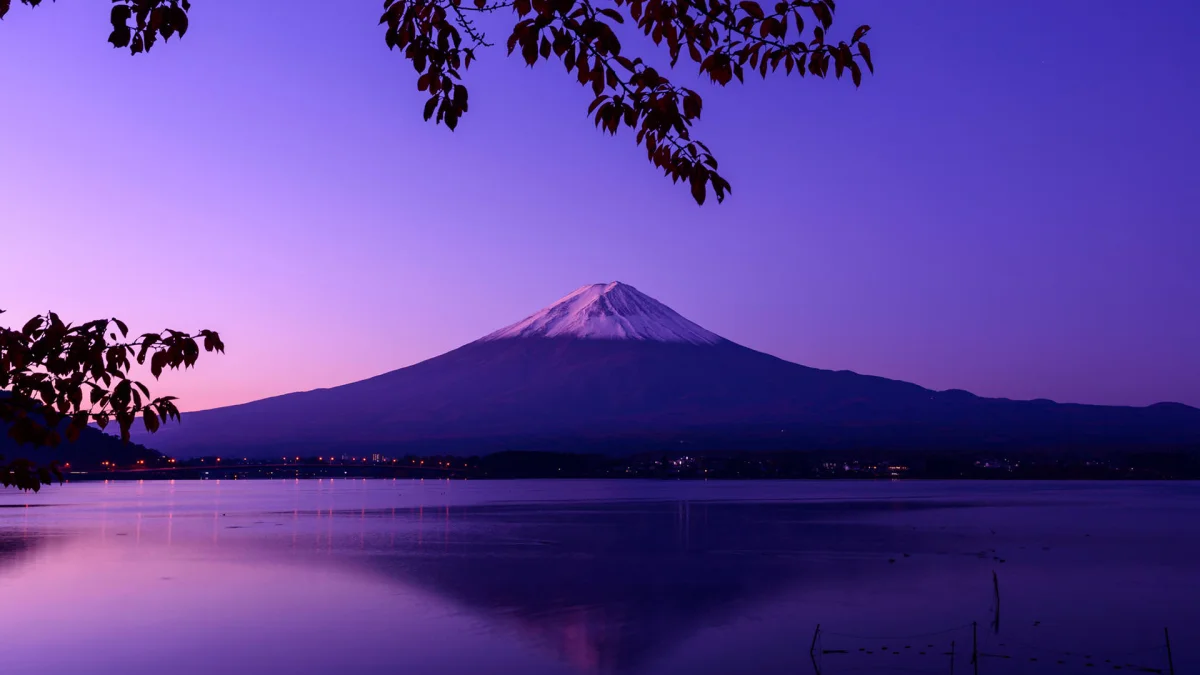
At the foot of Mount Fuji lies the picturesque Five Lakes of Fuji region. It is from there that you can see those classic views, where the perfect cone is reflected in the mirror-like surface of the water, surrounded by blooming cherry blossoms in spring or fiery maple trees in fall.
The Spiritual Heart of Japan: Myths and Shinto
For the Japanese, Mount Fuji is the abode of the gods and a sacred place. In the traditional religion of Shinto, the mountain is considered a living embodiment of the kami (spirits of nature). For a long time, climbing it was exclusively a religious ritual for pilgrims, and until the end of the 19th century, women were strictly forbidden from ascending the mountain.
Ancient Shinto Sengen shrines are located at the very foot and at the summit of the volcano. It is believed that they were built to “appease” the goddess of the mountain in order to prevent destructive eruptions. Mount Fuji’s historical and cultural significance is so great that UNESCO inscribed it on the World Heritage List not as a natural site, but specifically as a cultural site—in recognition of the immense influence it has had on Japanese art. Hokusai’s iconic series of woodblock prints, “Thirty-Six Views of Mount Fuji”, has forever cemented the mountain’s image in world culture.




Climbing to the Summit: A Test of Endurance
Every year in July and August, when the snow has completely melted from the summit, the climbing season officially begins. During this brief period, hundreds of thousands of people – from professional climbers to ordinary tourists and elderly locals – set out to conquer Mount Fuji.
The ascent is divided into 10 levels (stations). Most people start their hike at the 5th station, which can be reached by bus or car, and then walk the rest of the way to the crater. The trail itself doesn’t require mountaineering skills, but it’s a serious test of endurance: a steep climb over volcanic cinder, strong winds, a sharp drop in temperature, and thin air at high altitudes often cause altitude sickness.
The main goal for most climbers is gorai-ko, which translates as “the coming of light”. This is the moment when you stand atop the volcano above the clouds and witness the first rays of the rising sun. The Japanese say, “Anyone who has never climbed Mount Fuji is a fool. But anyone who has climbed it twice is a fool twice over”, implying that this grueling ordeal is worth undertaking exactly once in a lifetime.


The article “Mount Fuji – a sacred symbol and the very heart of Japan” includes a selection of thematic photo and images suitable for website design, articles, blogs, and creative projects. All images are free to download in high quality.
These images are also great as desktop wallpaper for your computer, phone, or tablet.
Don’t forget to rate and comment on this article – it helps other visitors to our site find popular and truly interesting posts and photos more quickly.


Similar Articles


Thematic Albums


Popular Images