Porsche:
from legendary classics to electric cars
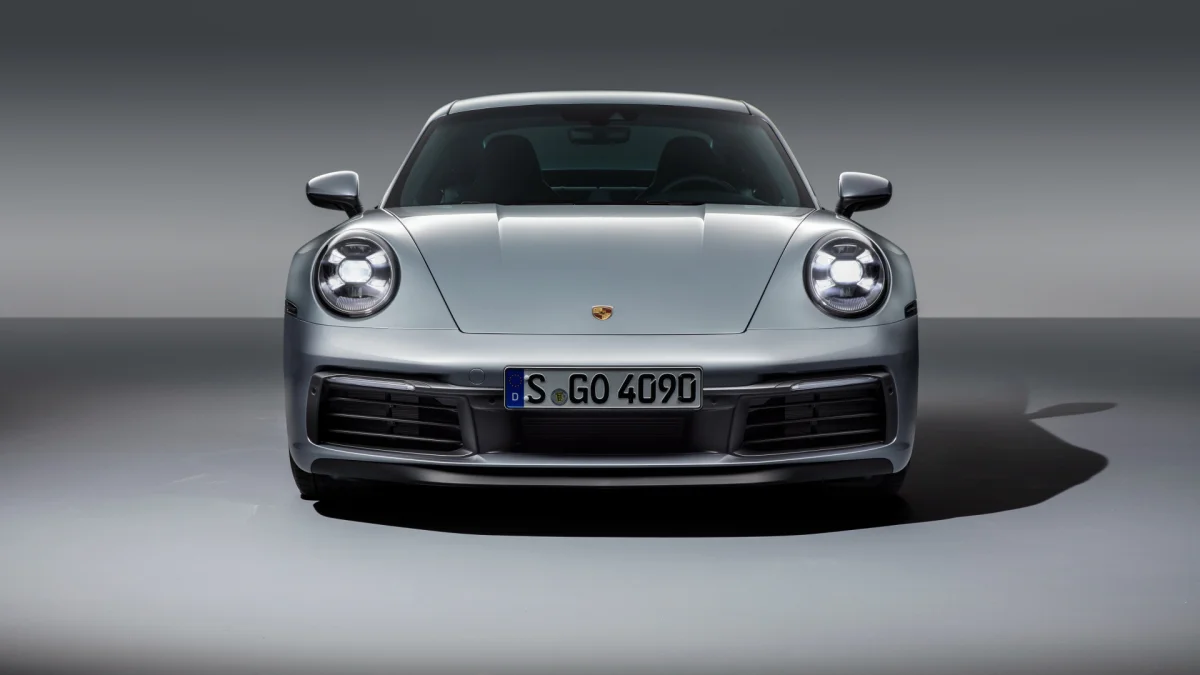
Porsche — a brand that has managed to achieve the impossible: preserving its racing DNA and distinctive style over the decades, all while transforming the automotive industry. Today, the brand’s lineup covers everything from compact mid-engine sports cars and rare, exclusive hypercars to family crossovers and high-tech electric vehicles. In this article, we’ll take a closer look at Porsche’s key model families, and on our website, you’ll find high-quality images and photos of these German cars from a wide variety of angles.
The Iconic 911 Series: The Evolution of a Legend
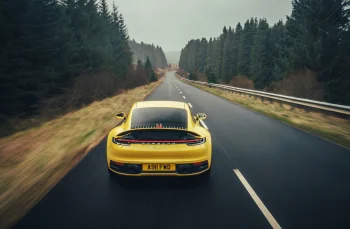
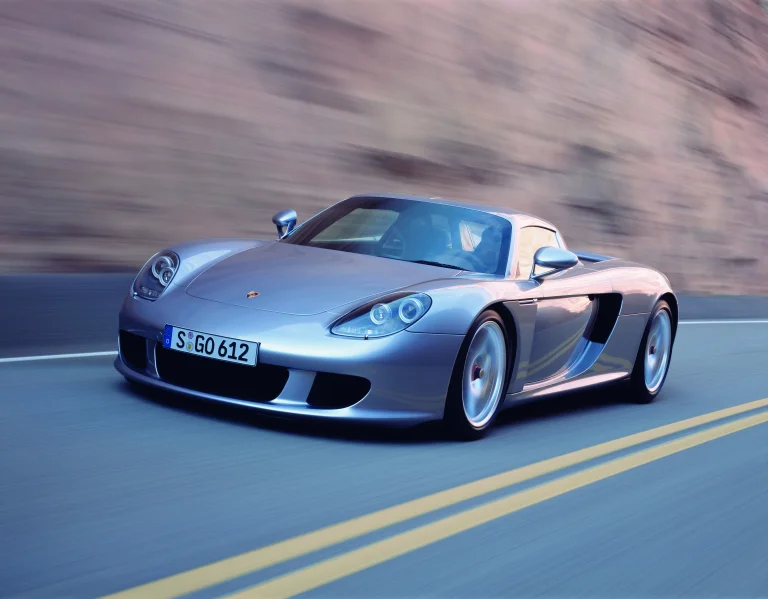
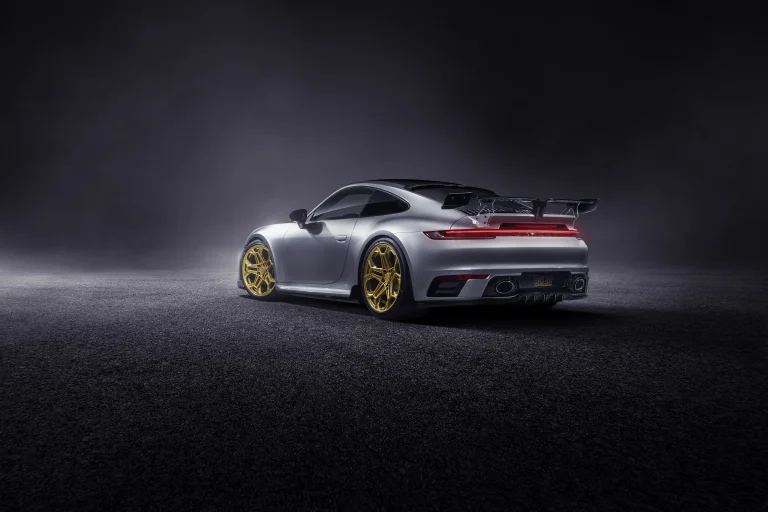
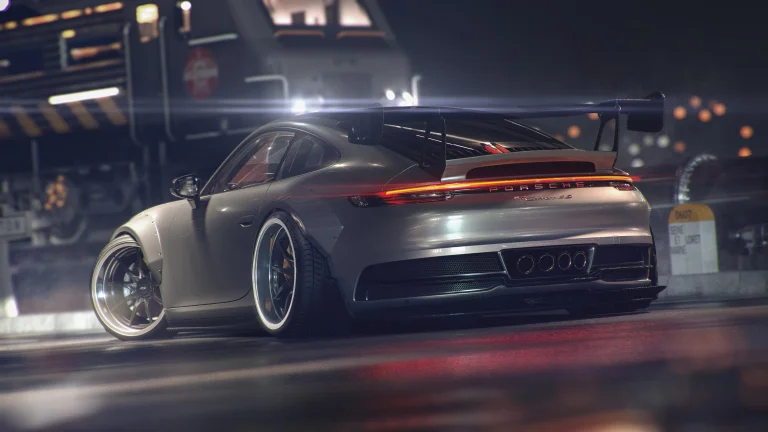
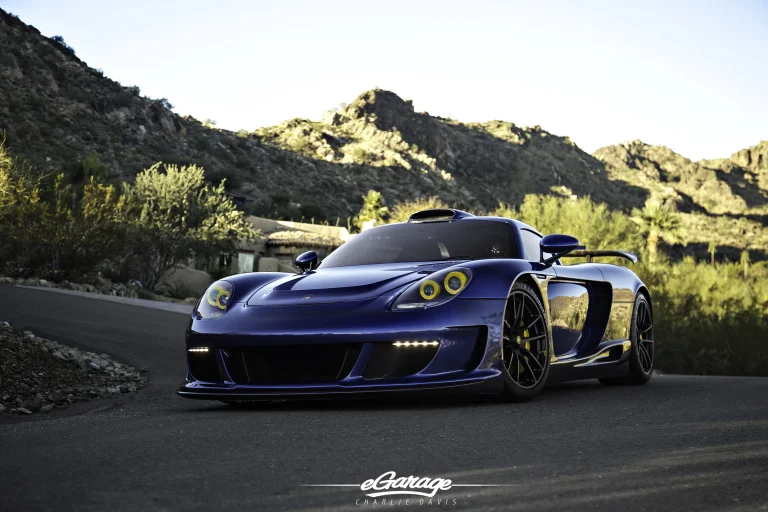
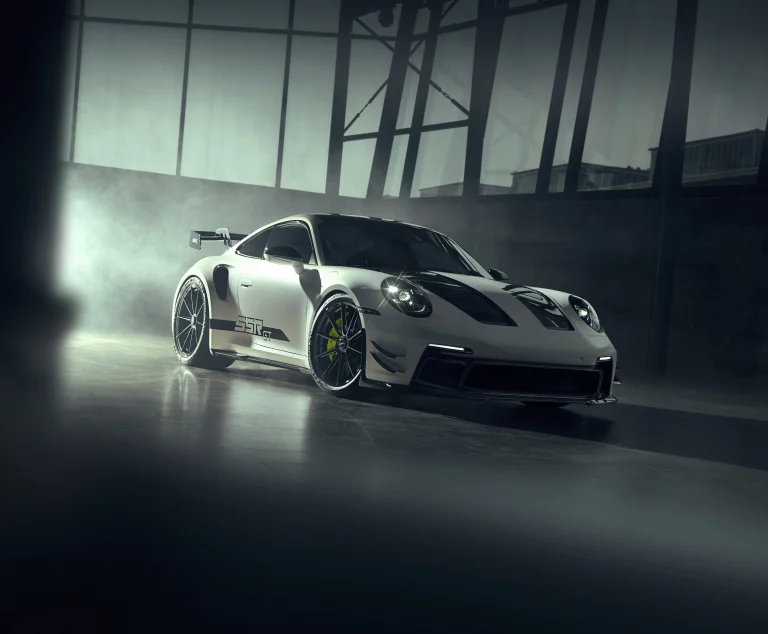
When you say “Porsche,” you mean “911.” This silhouette, with its gently sloping rear overhang and rear-mounted engine, has remained fundamentally unchanged since 1963. To avoid getting confused by the lineup, it’s important to understand that the 911 has both commercial model names and internal factory body codes, which allow fans of the brand to immediately identify the era.
Main 911 model families:
- Carrera / Carrera S / GTS — classic grand tourers for daily commutes and spirited weekend drives.
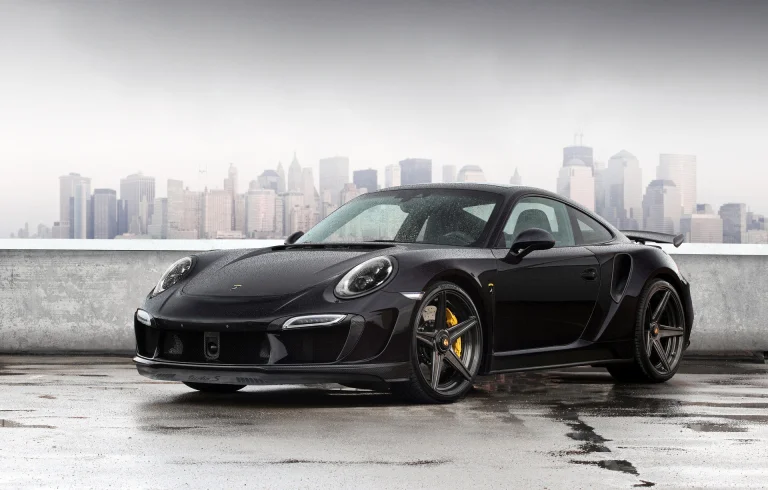
- Turbo / Turbo S — monsters with insane acceleration, all-wheel drive, and phenomenal traction.
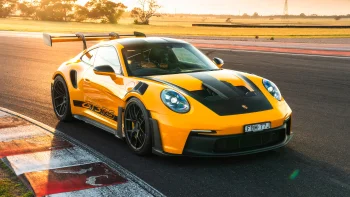
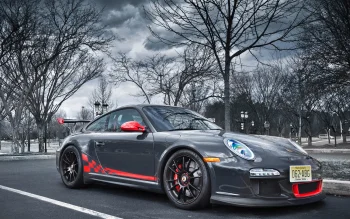
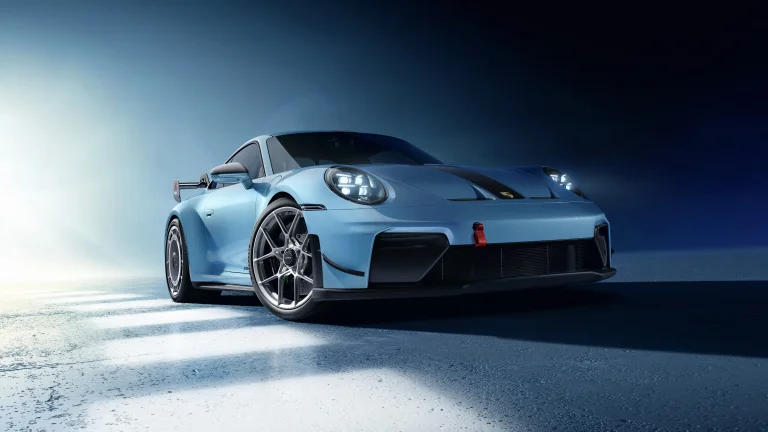
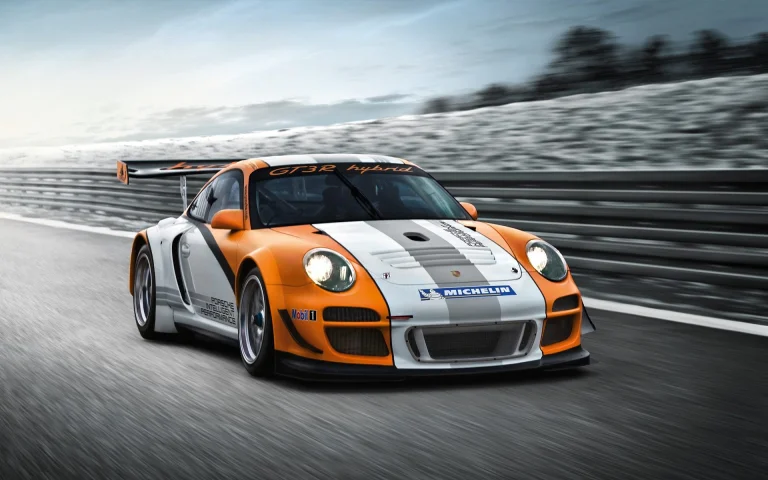
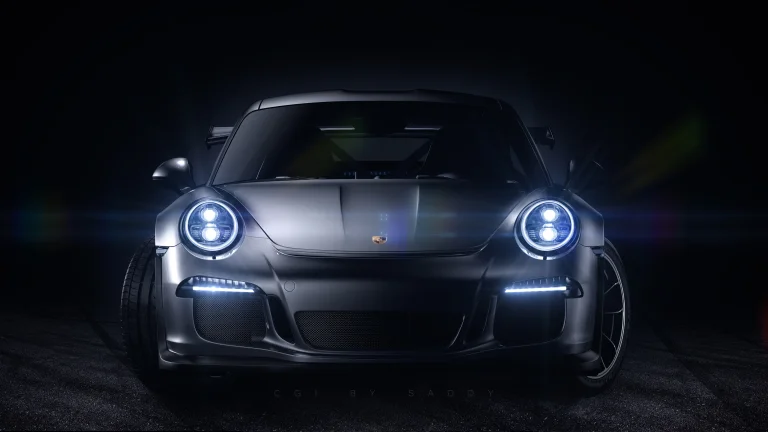
- GT3 / GT3 RS — track-focused machines with naturally aspirated engines, built to set records at the Nürburgring.
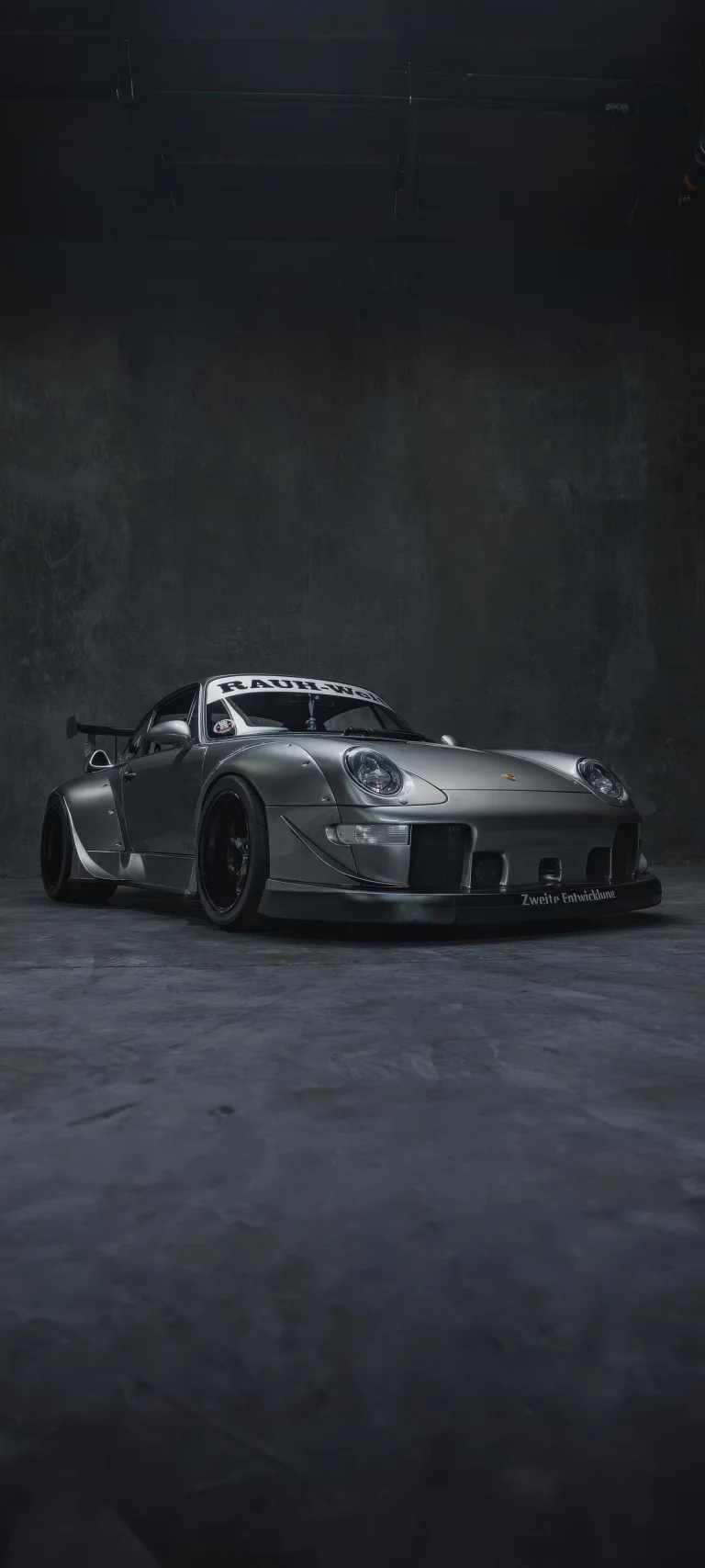
Key generations in the history of the 911: Internal model codes helped distinguish between different eras of the model. For a long time, these were air-cooled cars (classics like the 930 or 993). The 996 generation marked a turning point with the switch to water cooling.
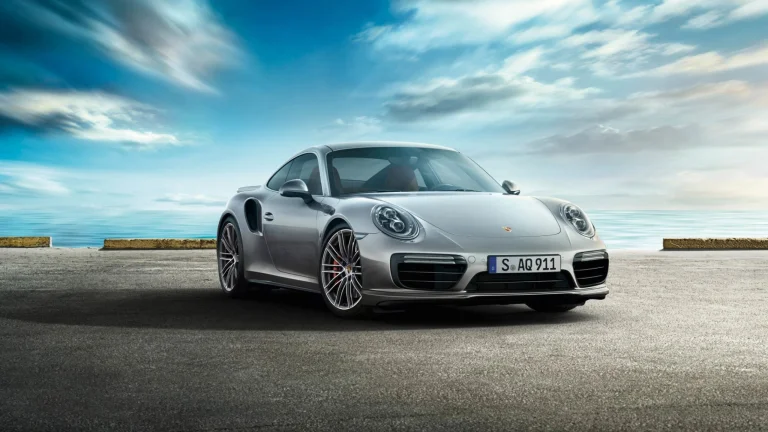

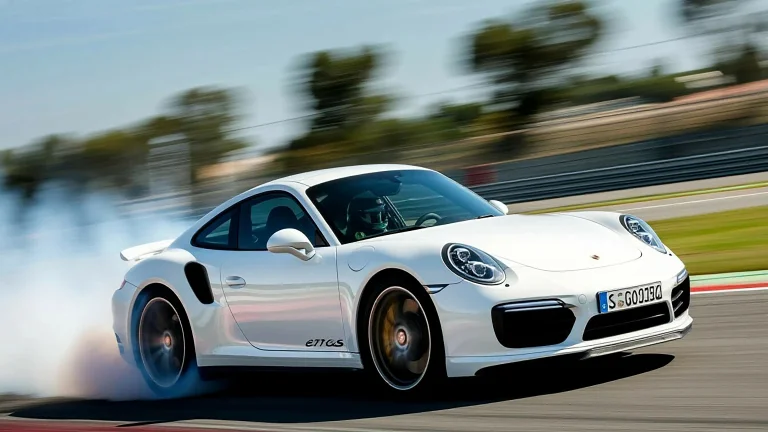
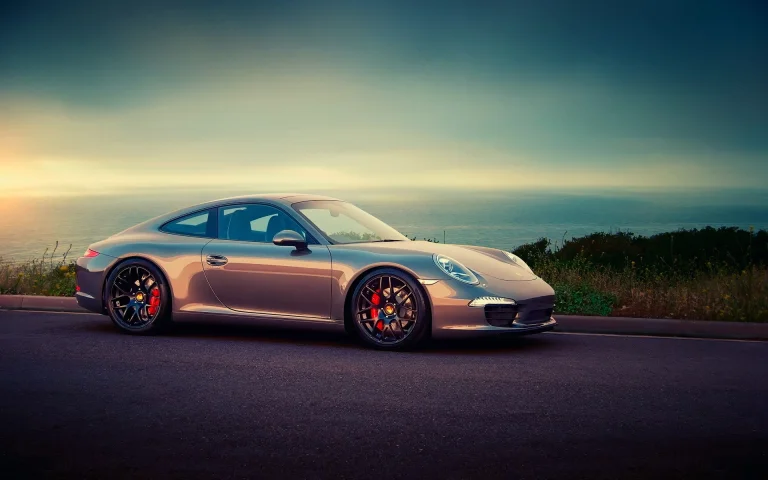
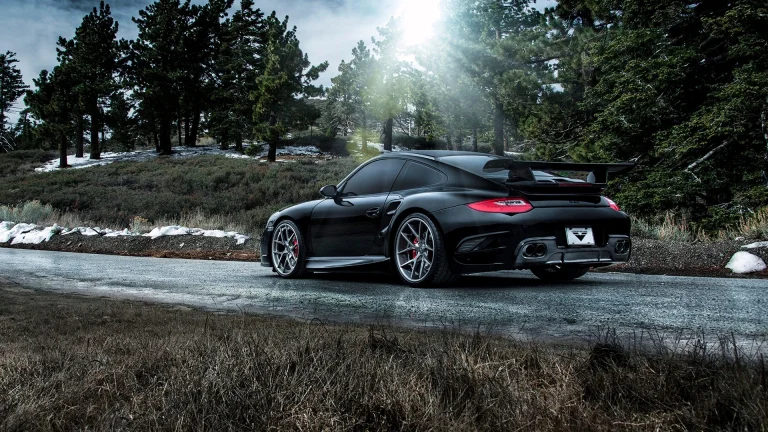
-

- 911 Porsche

-
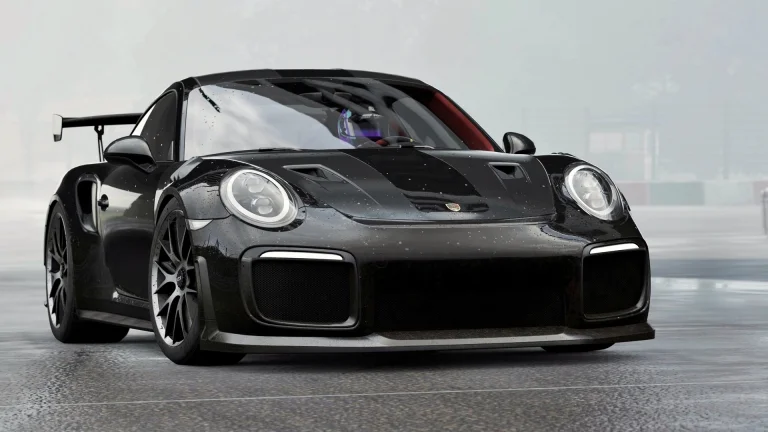
- Porsche 911 GT2 RS
-
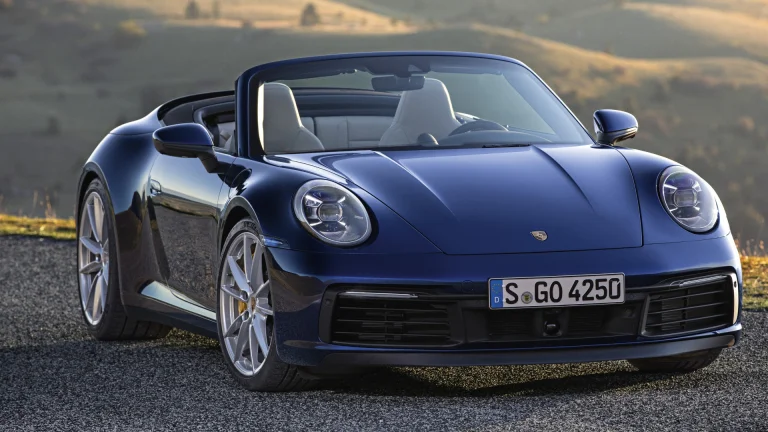
- Porsche 911 Carrera 4S Cabriolet
-
- Porsche 911 GT2 RS
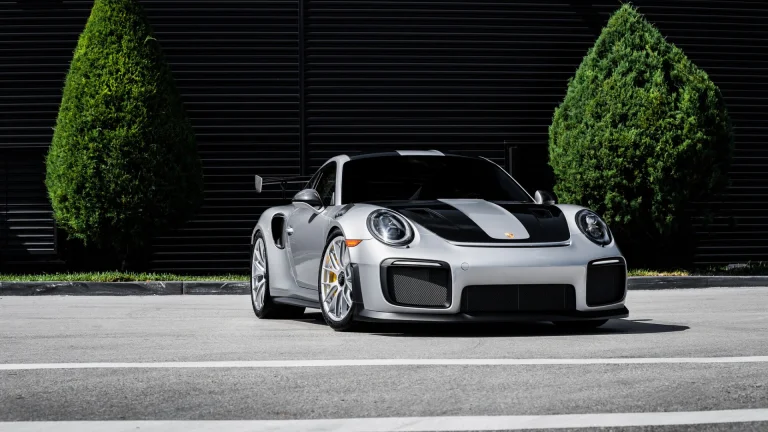
-
- Porsche 911 GT3
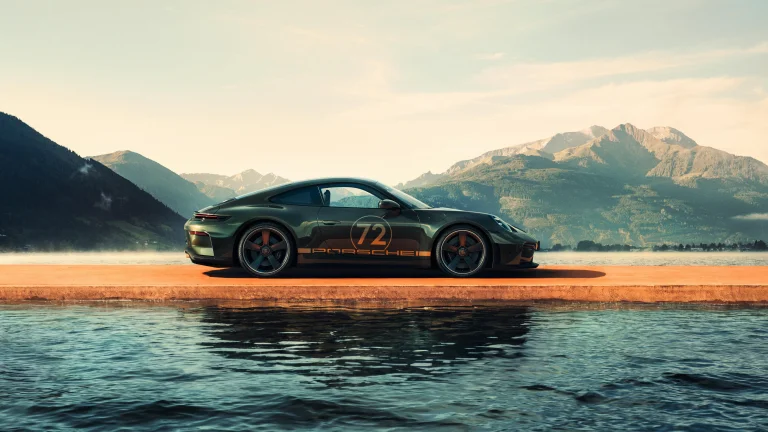
-
- Porsche 911 Carrera
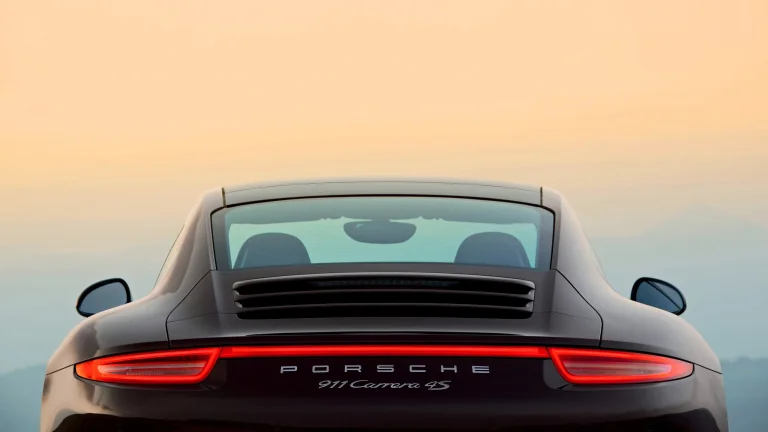
-

- Porsche 911
-

- Porsche 911 GT3
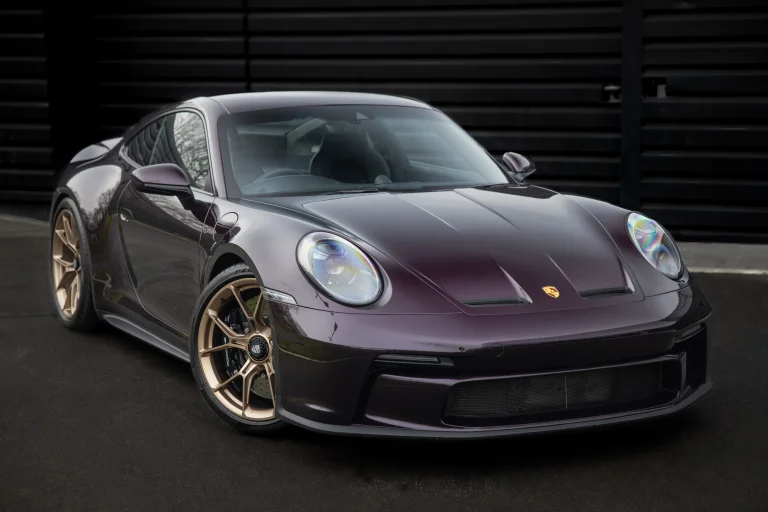
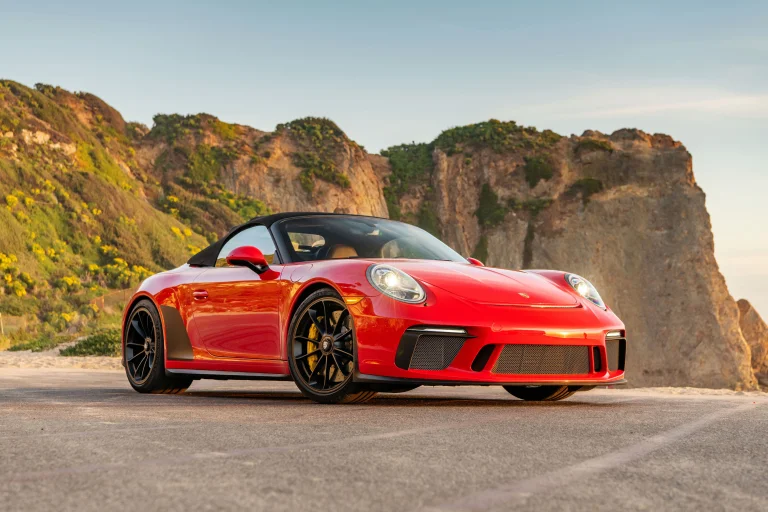
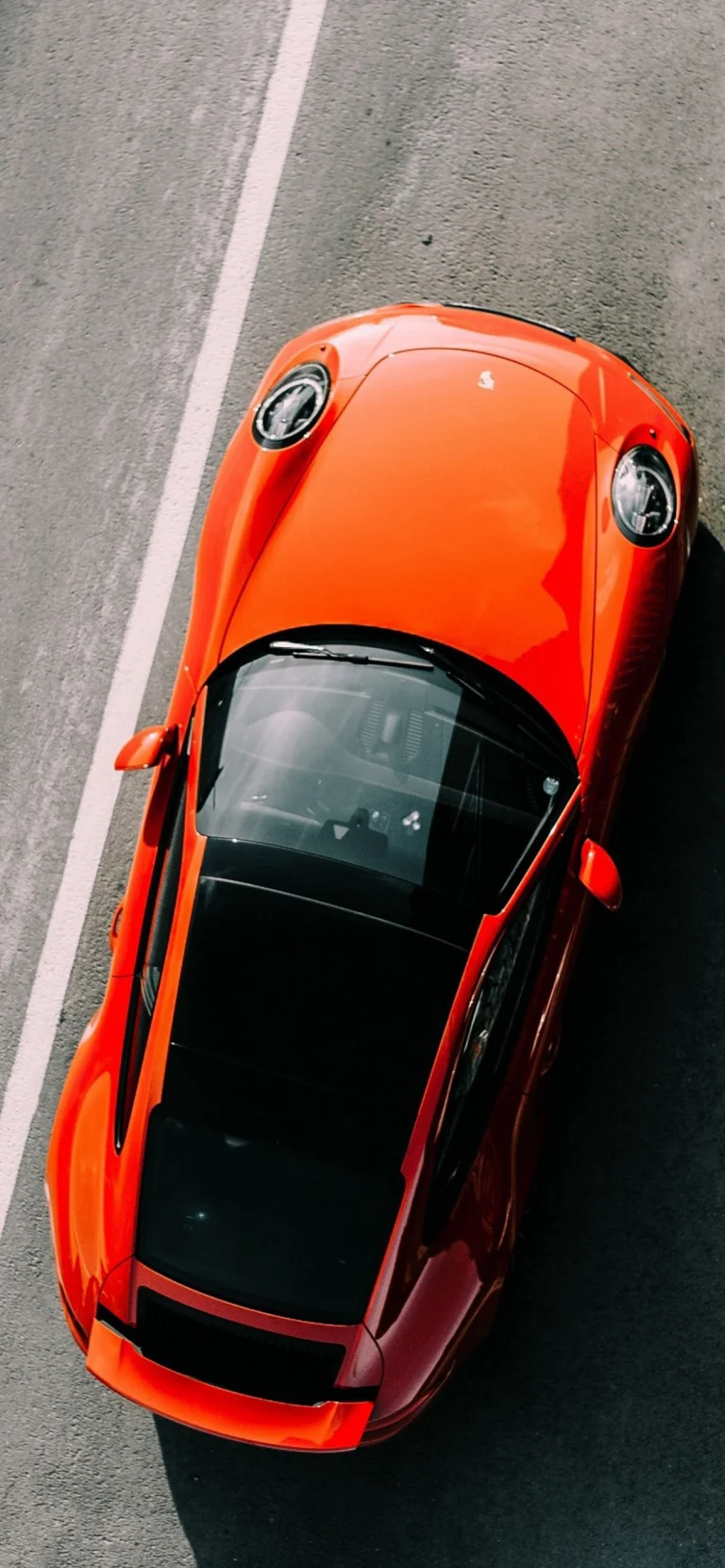
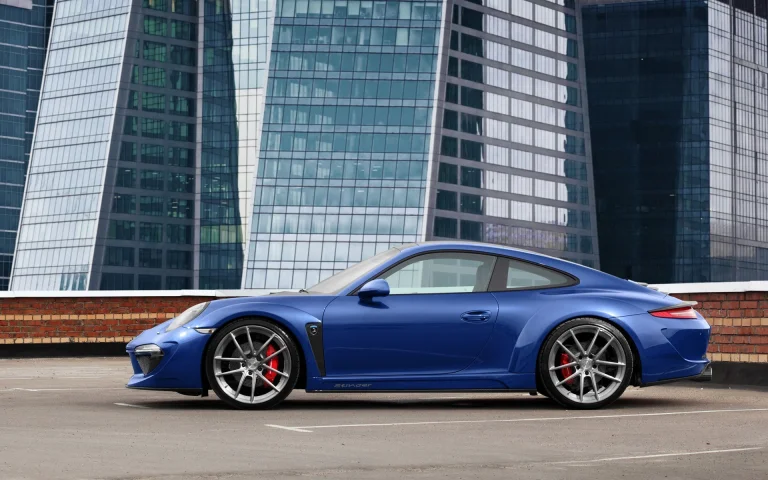
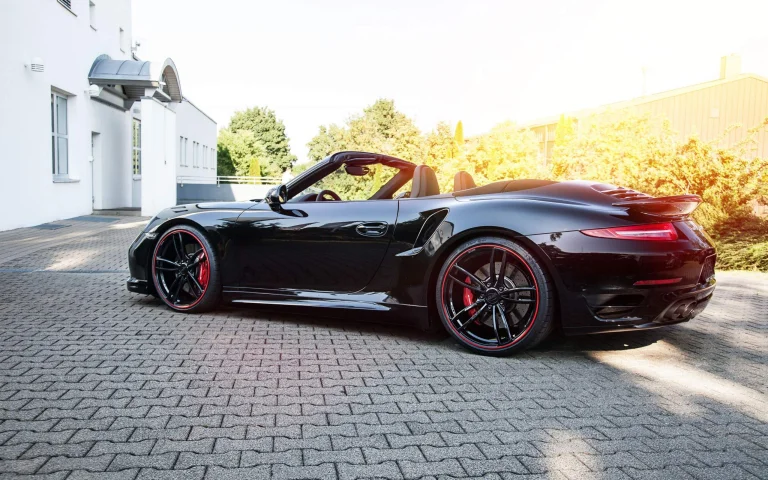
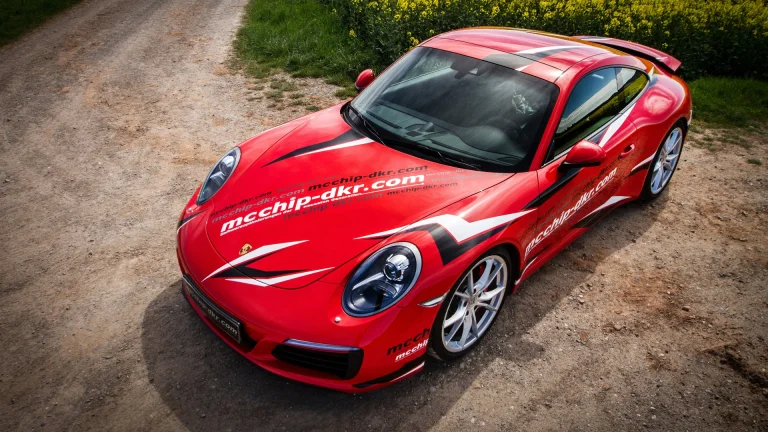
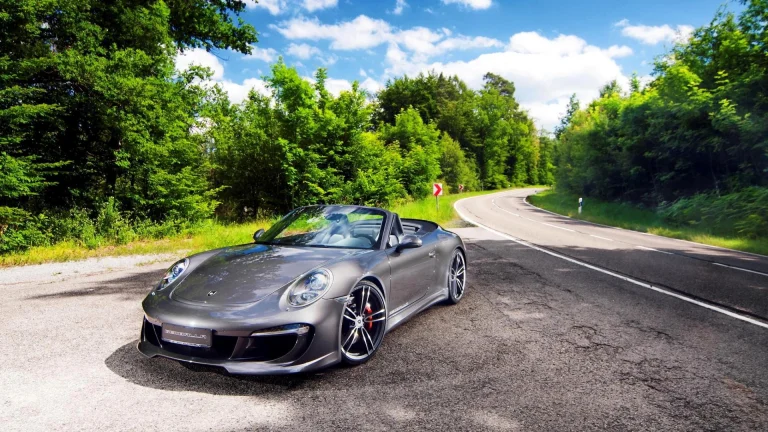
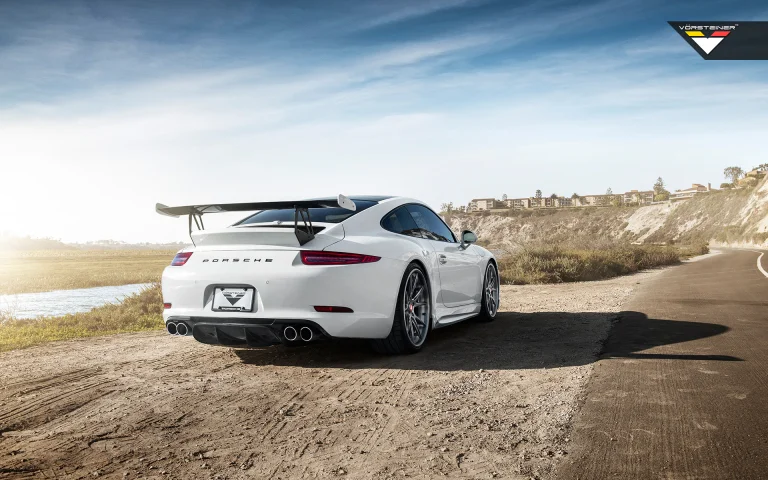
The 991 model (produced from 2011 to 2019) has won a special place in the hearts of car enthusiasts—this body style became larger, featured a lightweight aluminum monocoque, and returned to harmonious proportions after the experiments of the 2000s. Today, the 992 generation is the current model, in which engineers have perfected the digital components and aerodynamics. The photos of the various 911 generations clearly show how the designers have managed to evolve the shape without losing its familiar features.
-
- Porsche 991 Carrera Stinger
-
- Porsche 991 Turbo
-
- Porsche 991 Carrera S
-
- Porsche 911 Carrera Cabriolet
-
- Porsche 991 Carrera S Vorsteiner V GT
The Pinnacle of Engineering: The 918 Spyder Hypercar and the 919 Hybrid Track Car
In addition to its production cars, the German brand has special chapters in its history where the numbers 918 and 919 do not refer to variants of the 911 series, but rather to standalone engineering masterpieces:
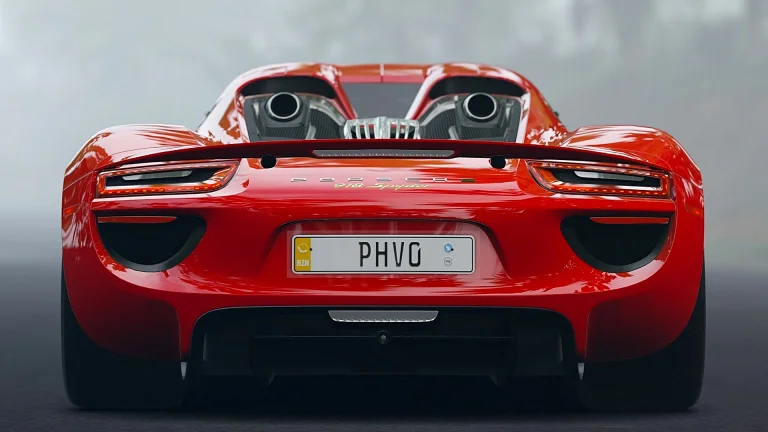
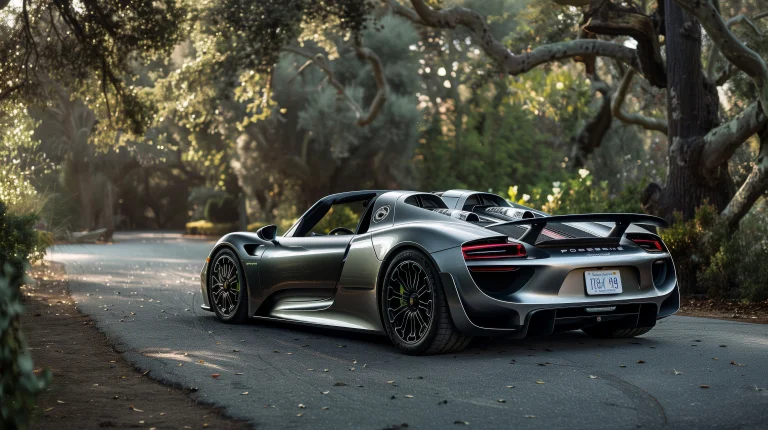
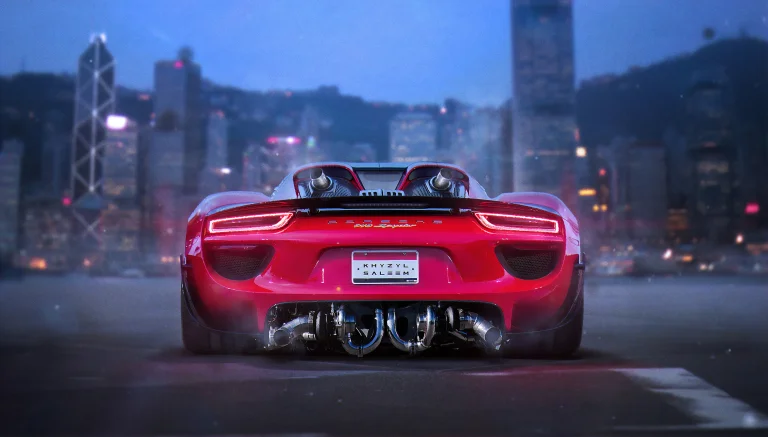
- The Porsche 918 Spyder is a hybrid hypercar produced in a limited run of 918 units. It features a naturally aspirated V8 gasoline engine paired with two electric motors, delivering a combined output of 887 l.s. In the photo, the 918 is easily recognizable by its aggressive silhouette and exhaust pipes that extend straight upward, behind the driver and passenger’s heads.
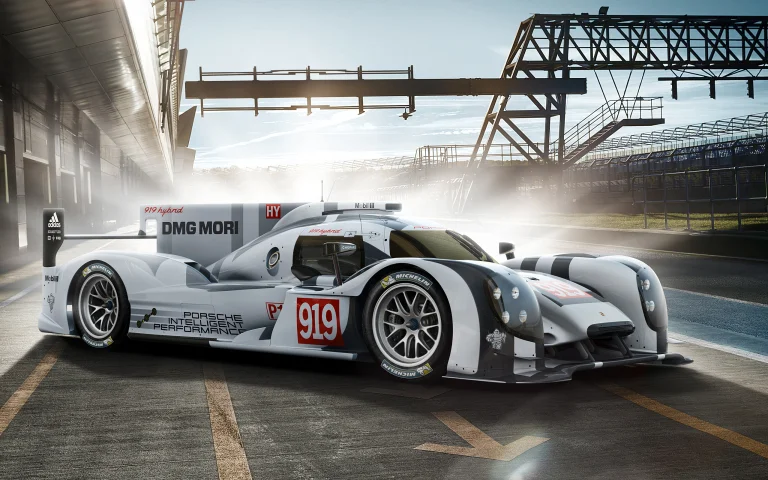
- The Porsche 919 Hybrid is an uncompromising LMP1 racing prototype designed exclusively for motorsports. It was the 919 that brought the company three consecutive overall victories in the iconic “24 Hours of Le Mans” endurance race. And its modified version, the 919 Evo, set a new lap record on the Nordschleife.
-
- Porsche 919 Hybrid V5
-
- Porsche 918
-

- Porsche 918 Spyder
-

- Porsche 918 Spyder
Mid-Engine Balance: The 718 Boxster and Cayman
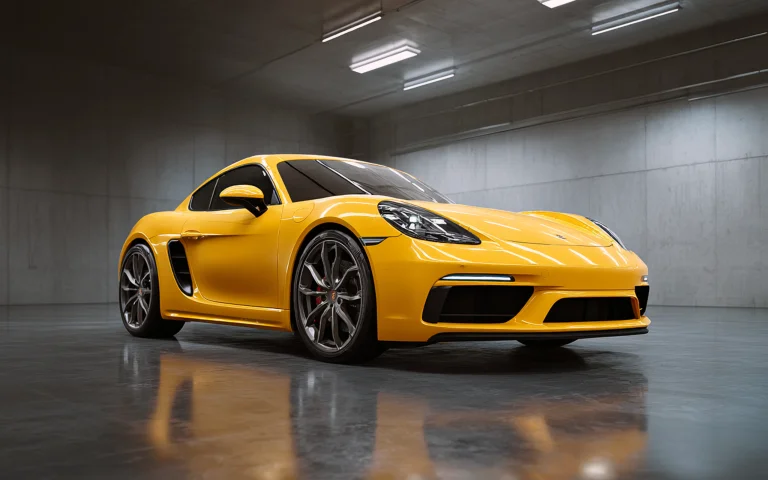
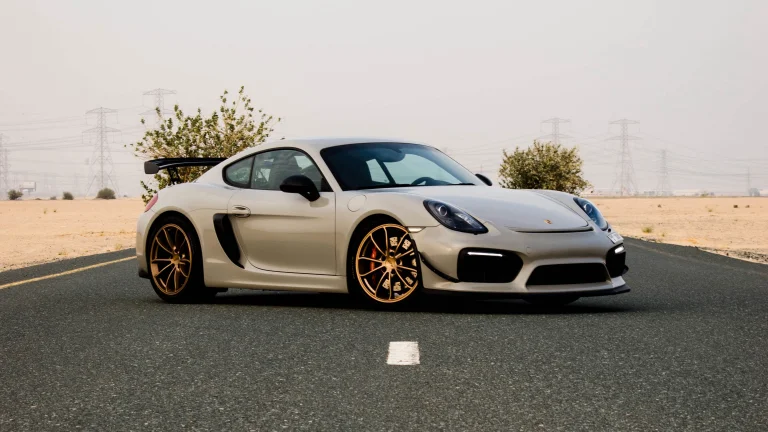
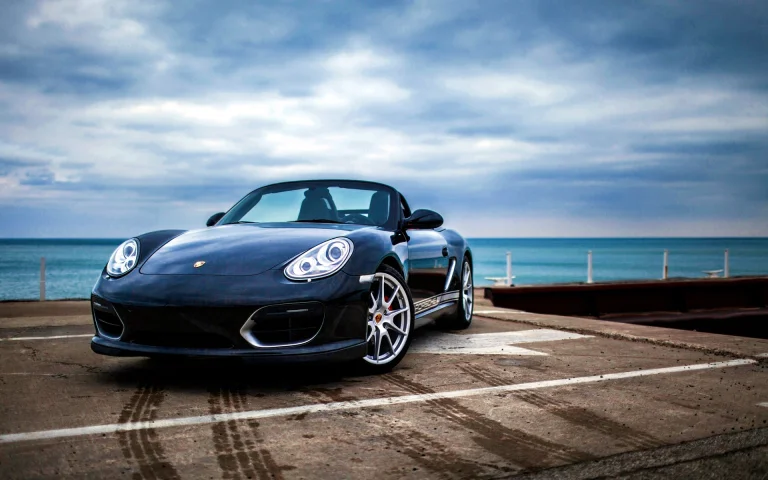
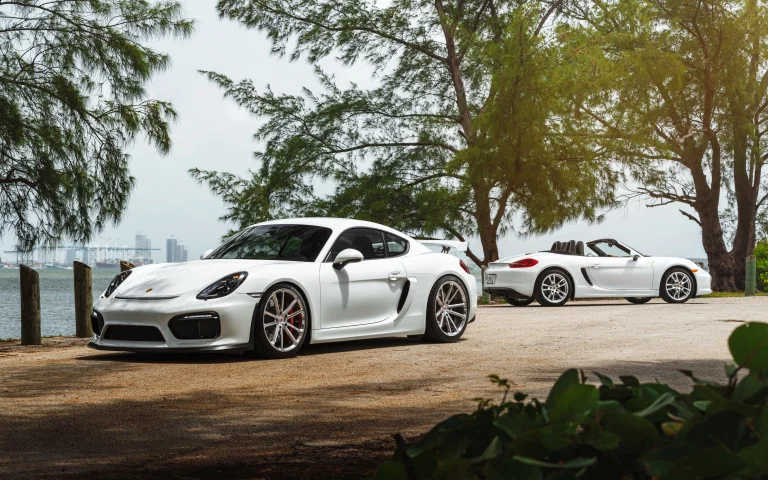
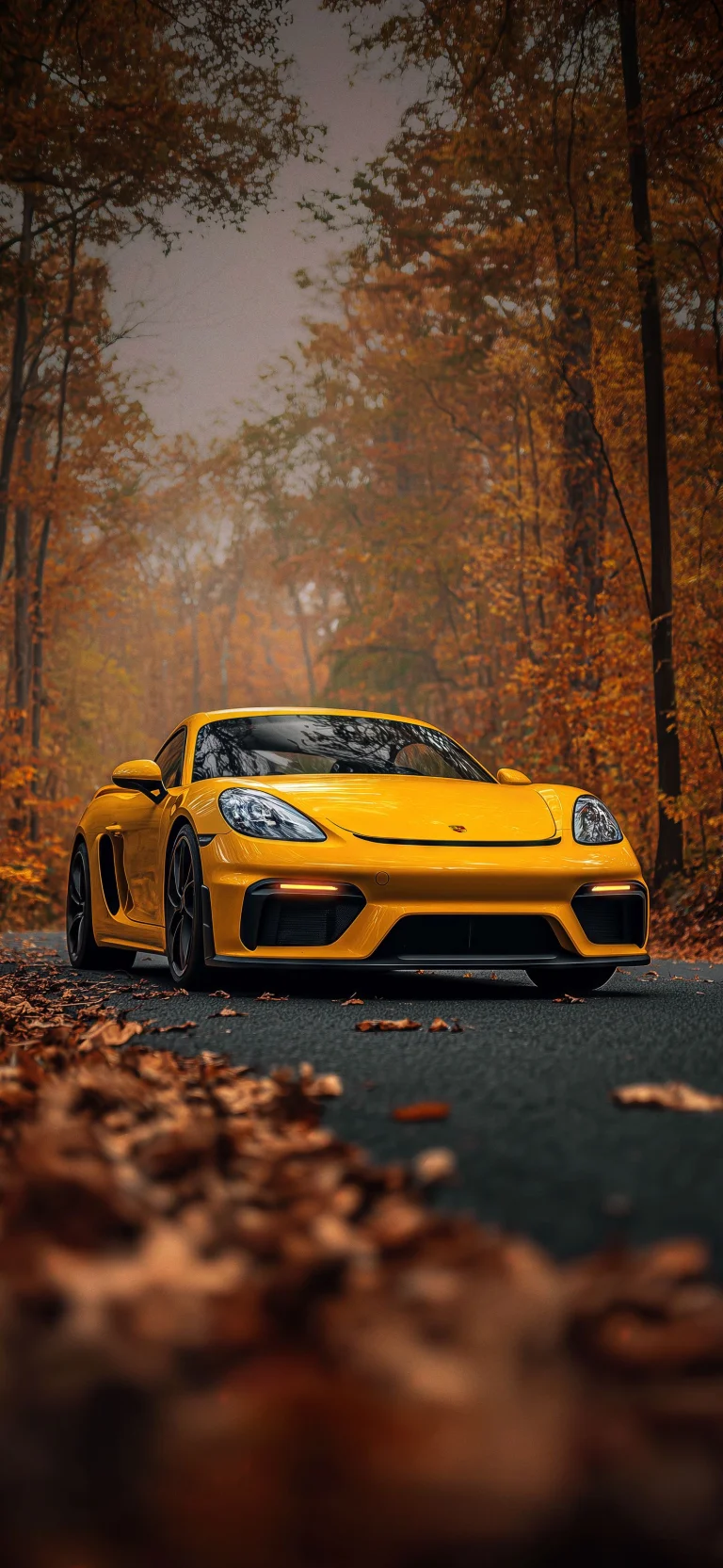
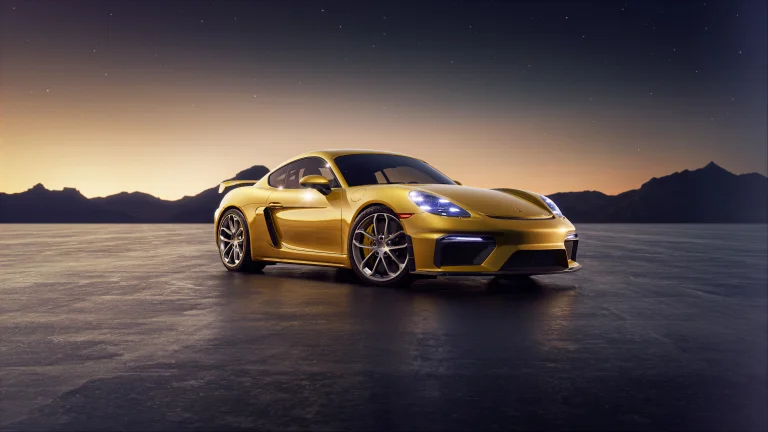
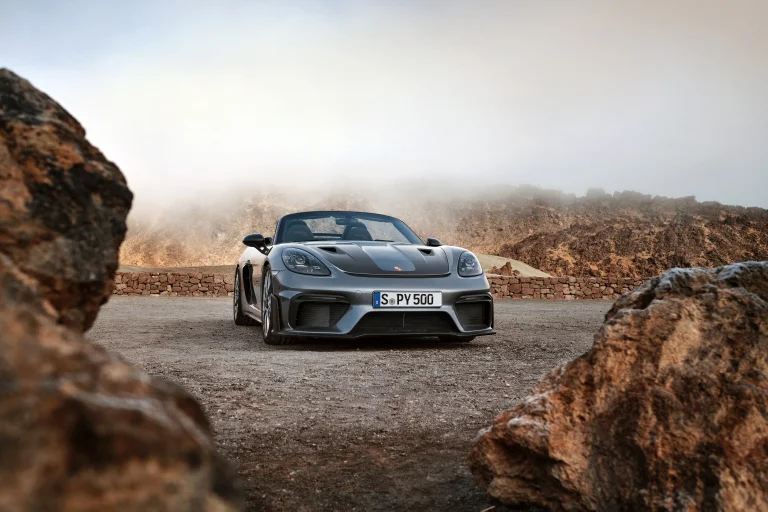
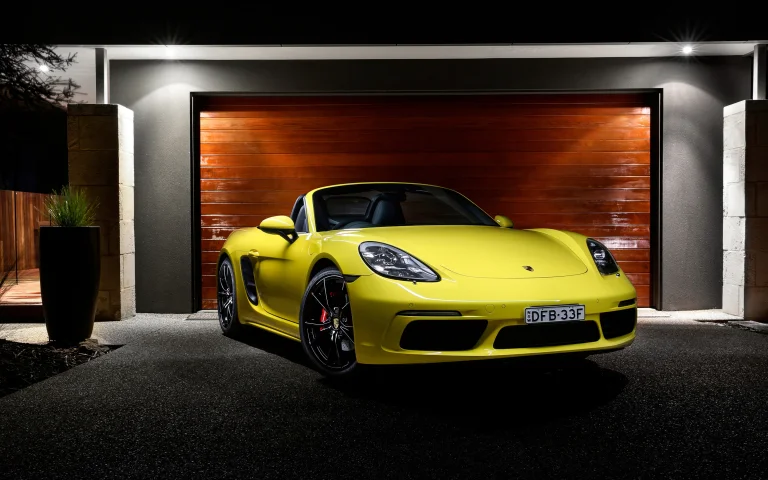
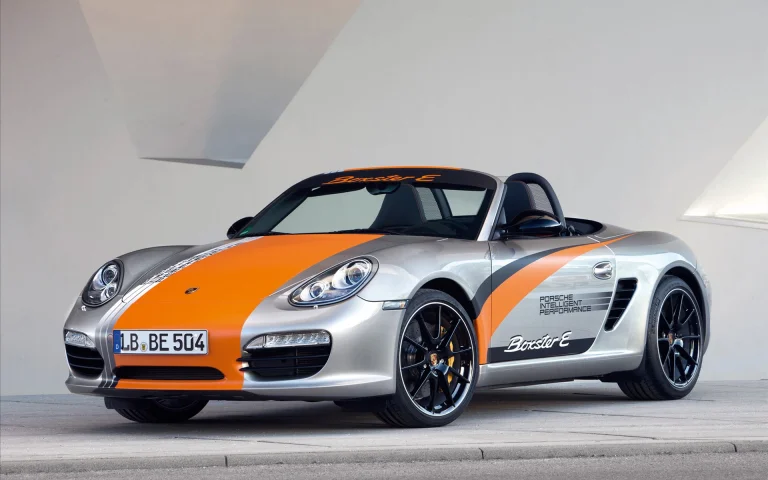
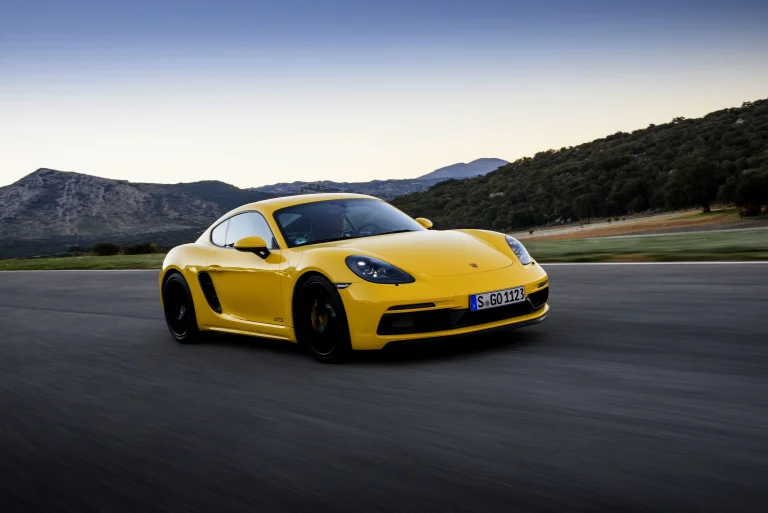
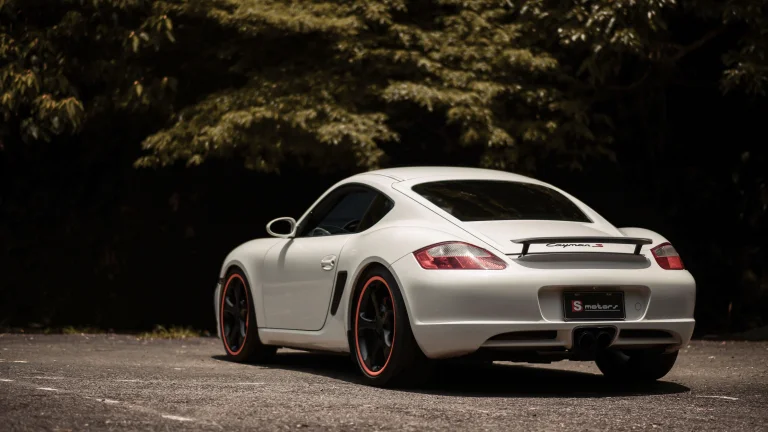
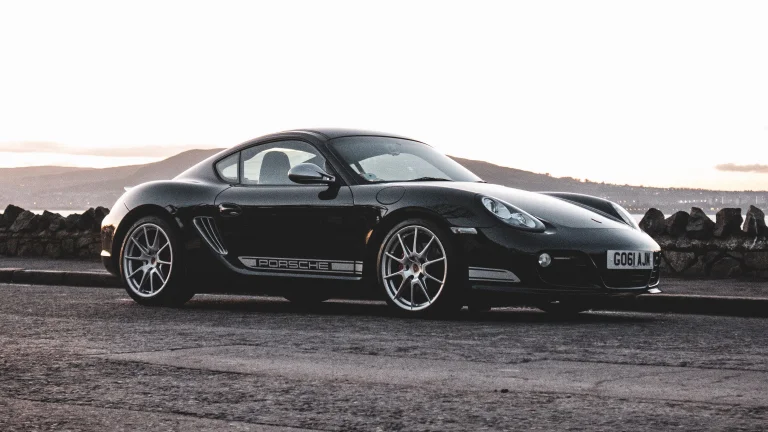
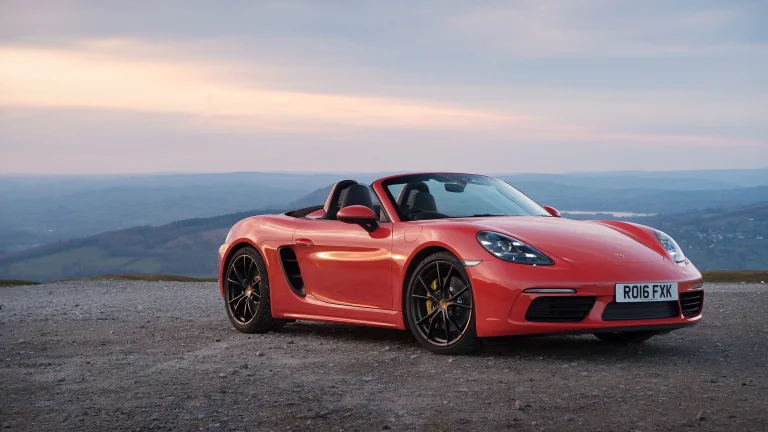
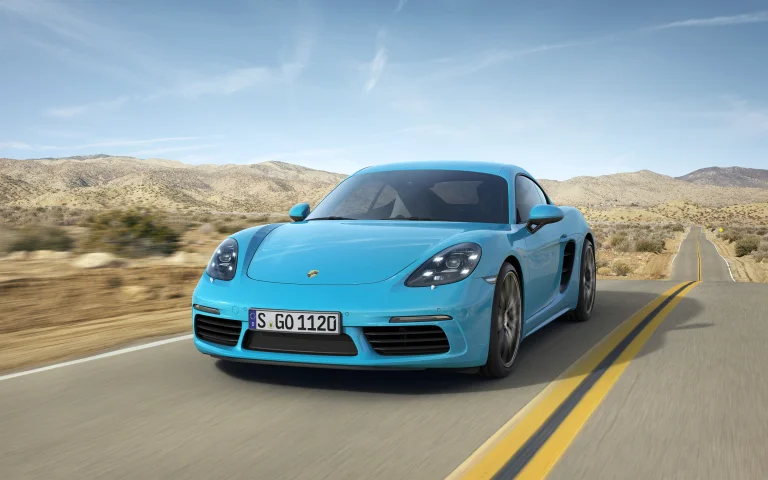
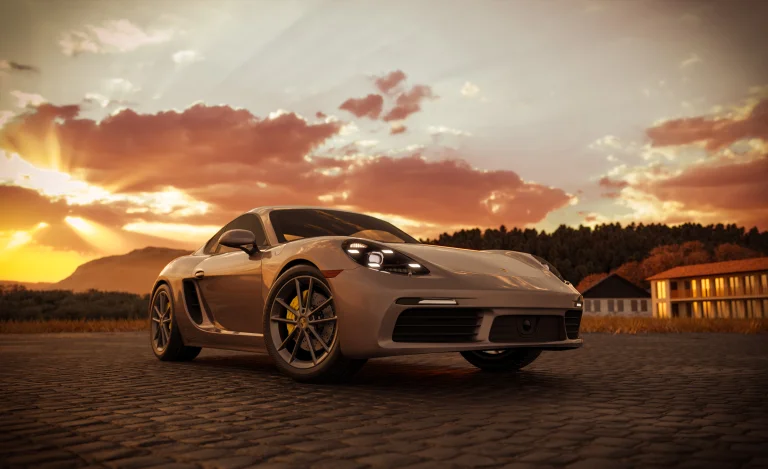
If the 911 is an icon, then the 718 family (the open-top Boxster roadster and the Cayman coupe) is pure physics. Thanks to their mid-engine layout, with the engine positioned directly behind the driver, these cars boast near-perfect weight distribution. They’re lighter, more agile, and often offer an even more direct steering feel on winding mountain roads.
-
- Porsche Cayman S
-
- Porsche Cayman 987 R
-
- Porsche Boxster
-
- Porsche 718 Cayman
Practical Power: Panamera
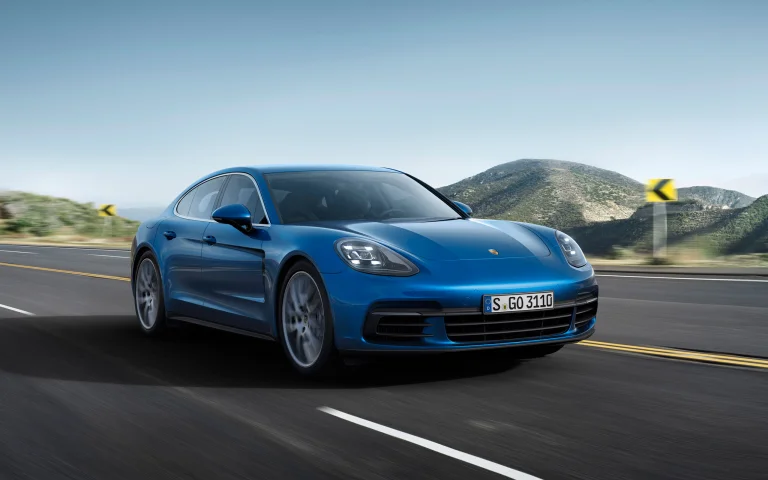
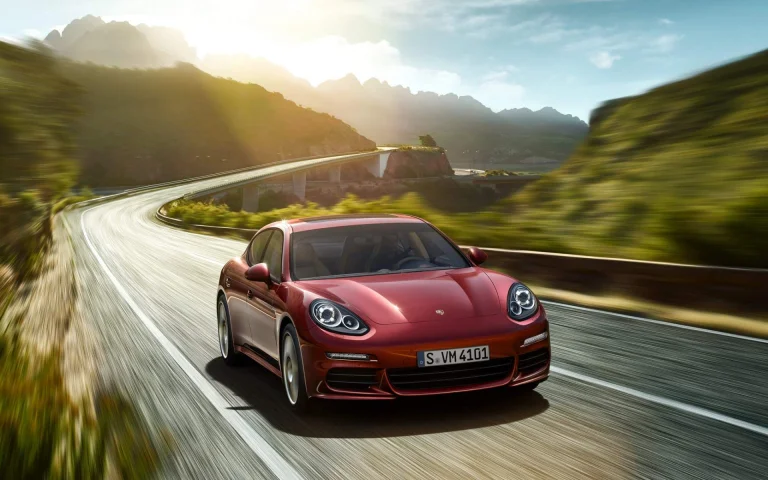
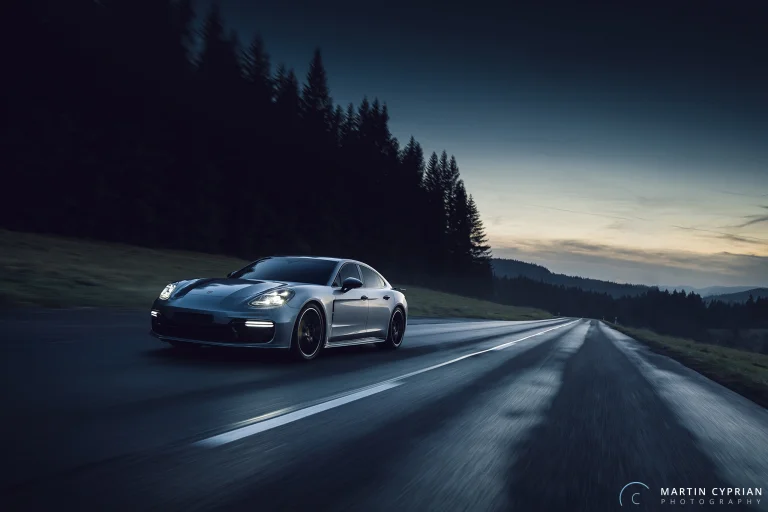
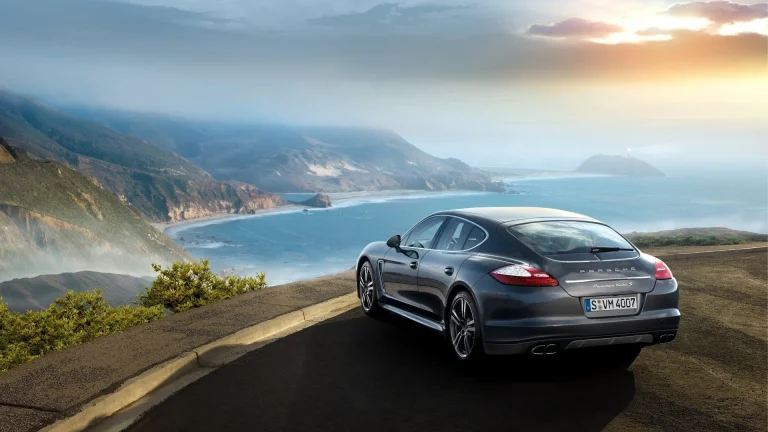
When fans of the brand needed a fast car that could accommodate a family and their luggage, the Panamera fastback was born. It combines executive-class comfort with the handling of a true sports car, proving that four doors don’t get in the way of exhilarating driving.
-
- Porsche Panamera
-
- Porsche Panamera
-
- Porsche Panamera Turbo
-
- Porsche Panamera Turbo S
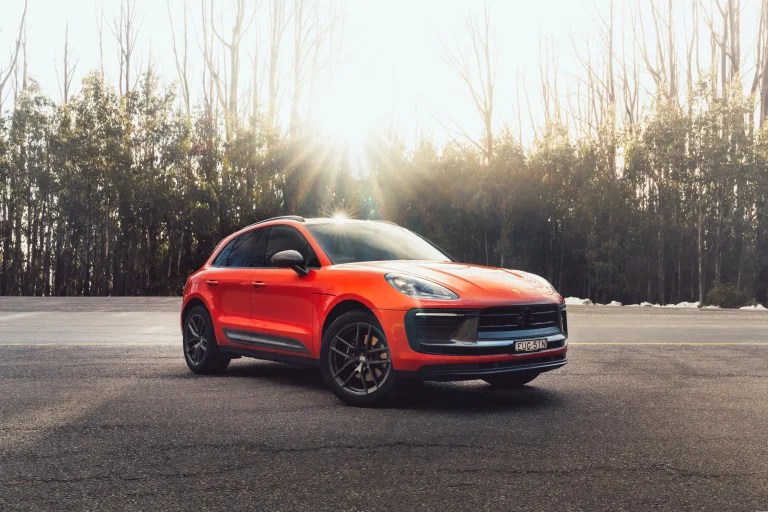
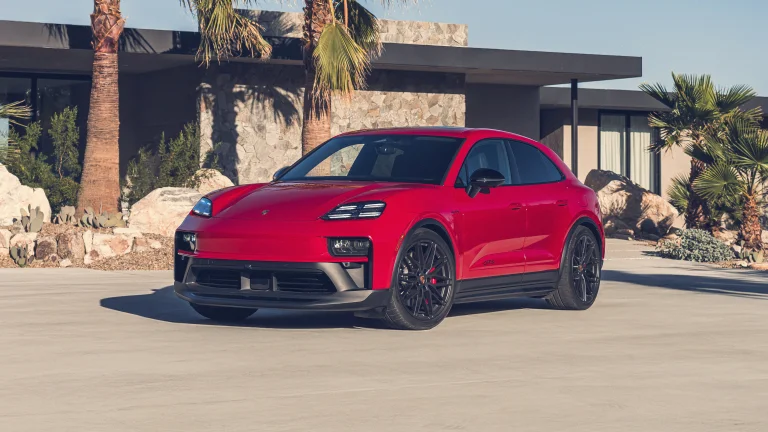
The Age of Crossovers: Cayenne and Macan
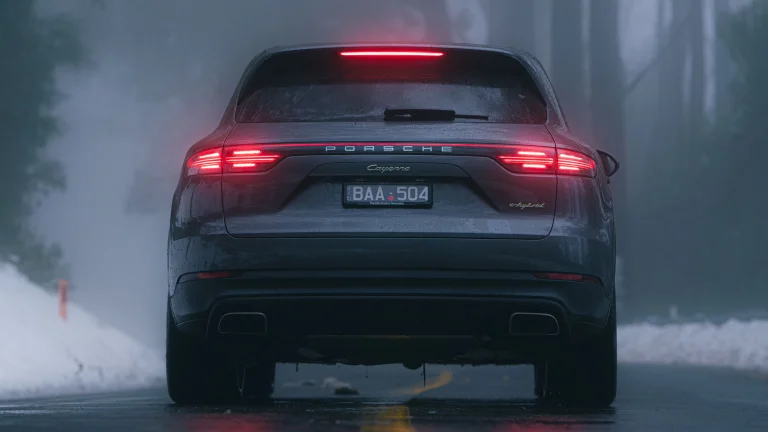
Porsche crossovers once saved the brand from financial turmoil and went on to become bestsellers:
- Cayenne — a large, powerful SUV that’s equally at home on the autobahn and on moderate off-road terrain.
- Macan — a more compact and agile crossover with the character of a hot hatch.


The Electric Future: Taycan
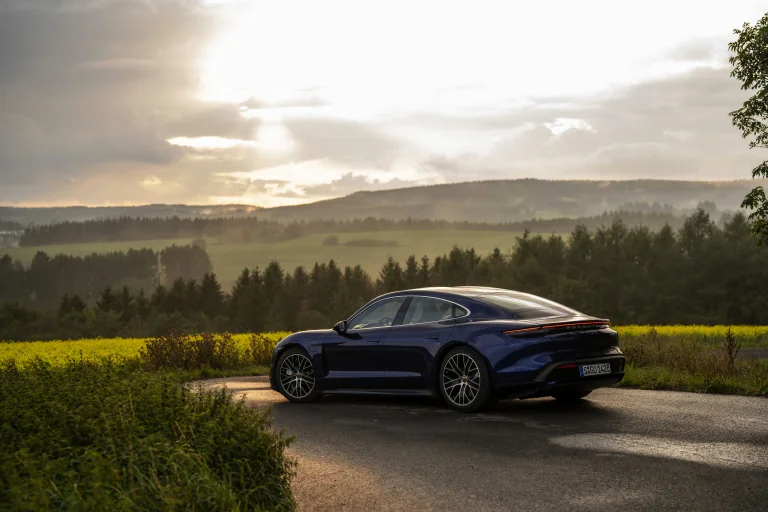
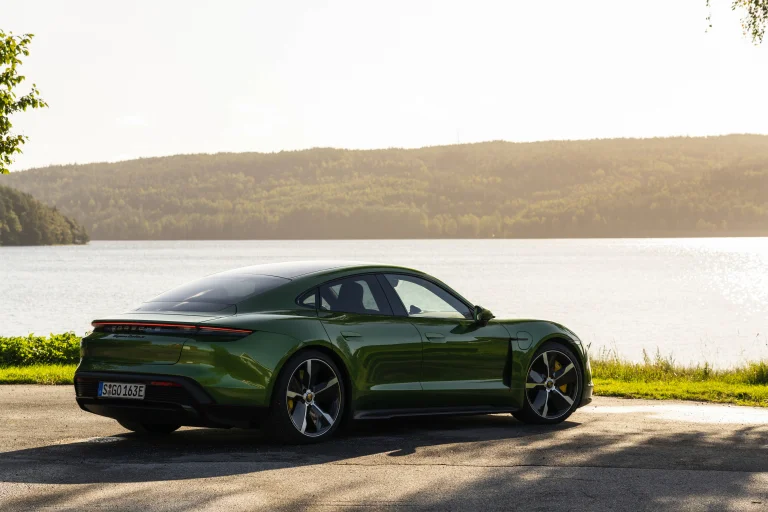
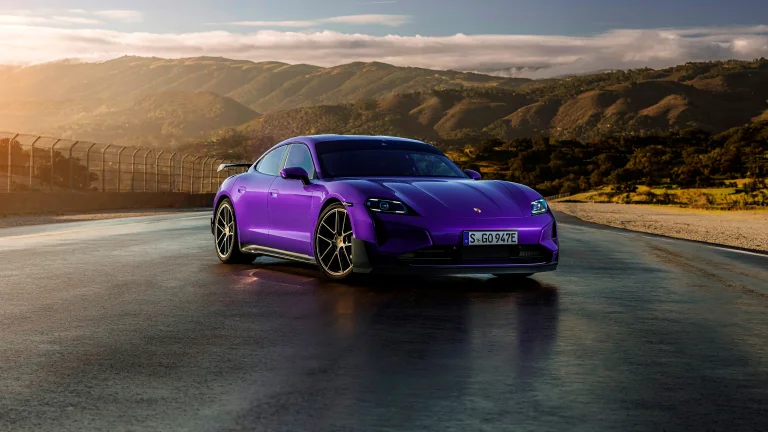
The Taycan is Porsche’s answer to the era of electric vehicles. Engineers have retained the car’s low stance, sporty ergonomics, and handling, while adding an 800-volt architecture and instantaneous response to the accelerator pedal. In the photos, the Taycan is instantly recognizable thanks to its futuristic headlights and sleek profile.
-
- Porsche Taycan
-
- Porsche Taycan Turbo S
-
- Porsche Taycan
The article “Porsche: from legendary classics to electric cars” includes a selection of thematic photo and images suitable for website design, articles, blogs, and creative projects. All images are free to download in high quality.
These images are also great as desktop wallpaper for your computer, phone, or tablet.
Don’t forget to rate and comment on this article – it helps other visitors to our site find popular and truly interesting posts and photos more quickly.


See also:
Similar Articles



Thematic Albums


Popular Images