The Witcher: Geralt of Rivia’s Journey
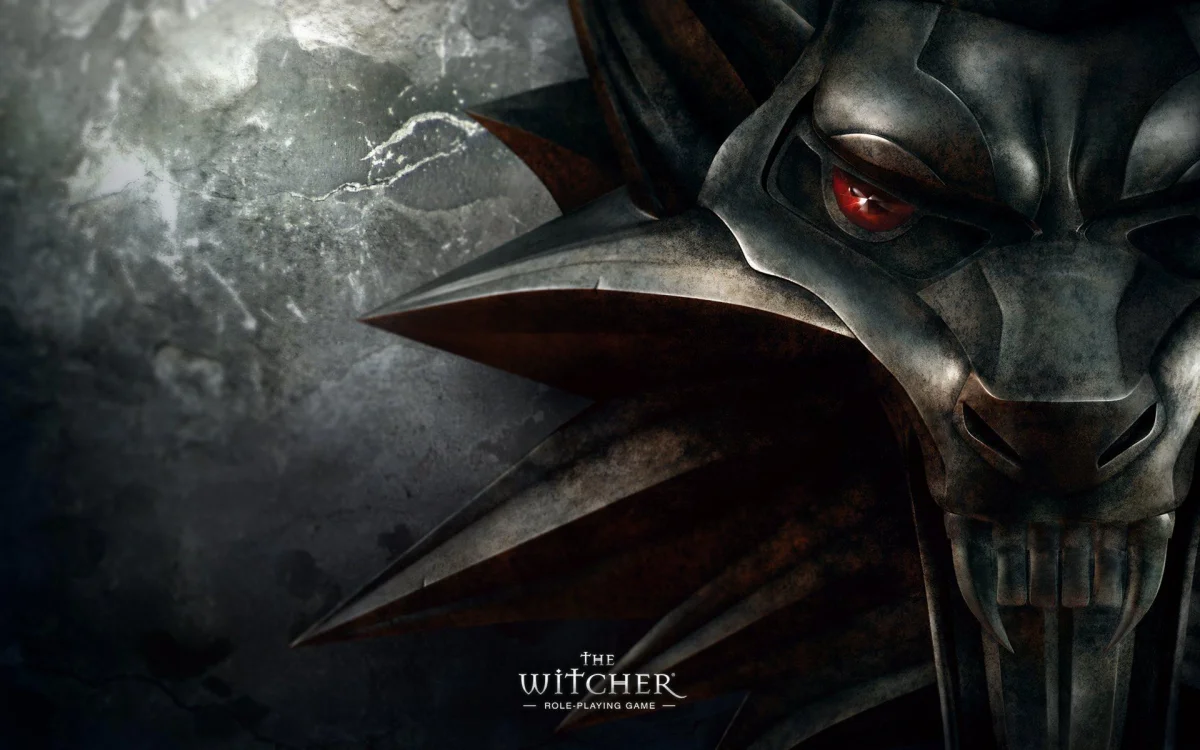
“The Witcher” gaming universe is one of the most striking examples of how a genuine love for the source material and hard work can transform a small regional studio into an industry giant. The Polish team at CD Projekt RED took the dark, cynical world created by writer Andrzej Sapkowski as their foundation and crafted a trilogy that has forever changed the perception of role-playing games. In this article, without any unnecessary hype or spoilers, we’ll look back at how the series evolved from instalment to instalment, and why the story of Geralt of Rivia remains the benchmark for the genre to this day.
The Witcher (2007) — A bold start and a dark atmosphere
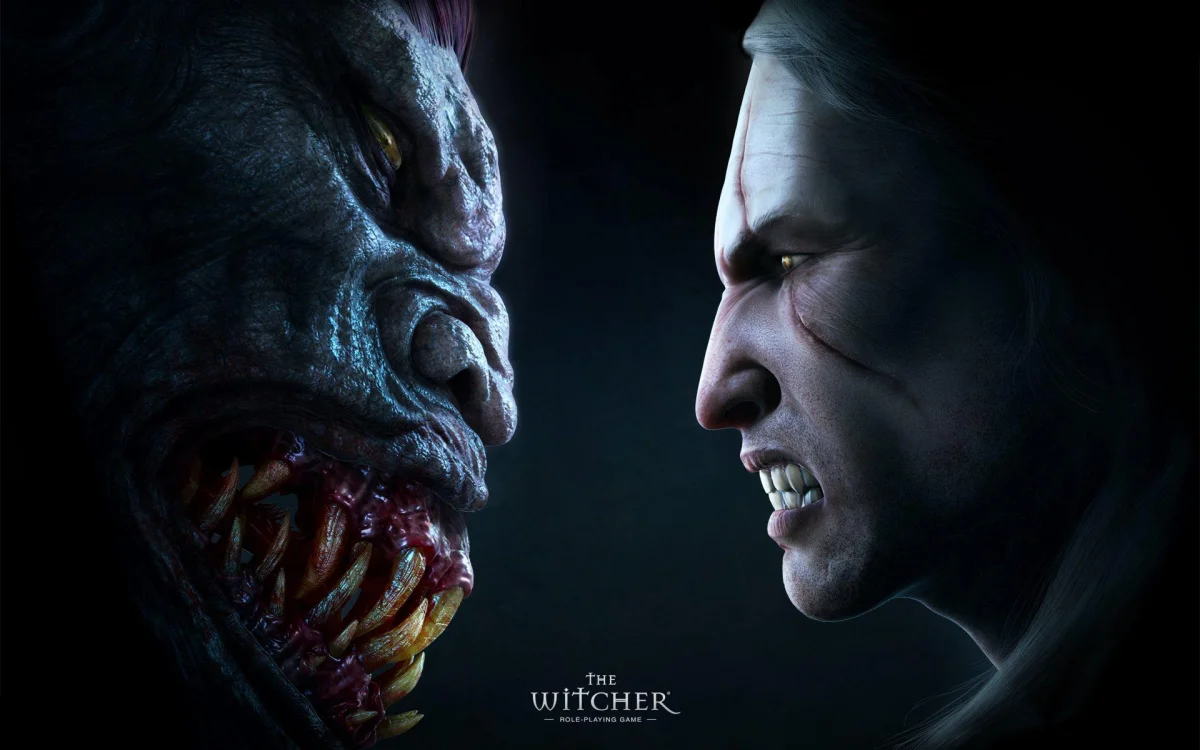
The first instalment, released in 2007, may seem technically outdated today, but it was this game that laid the foundations for the entire franchise. The developers built it using a heavily modified third-party engine (BioWare’s Aurora Engine), which gave the game a distinctive, rhythm-based combat system and rather intimate environments.
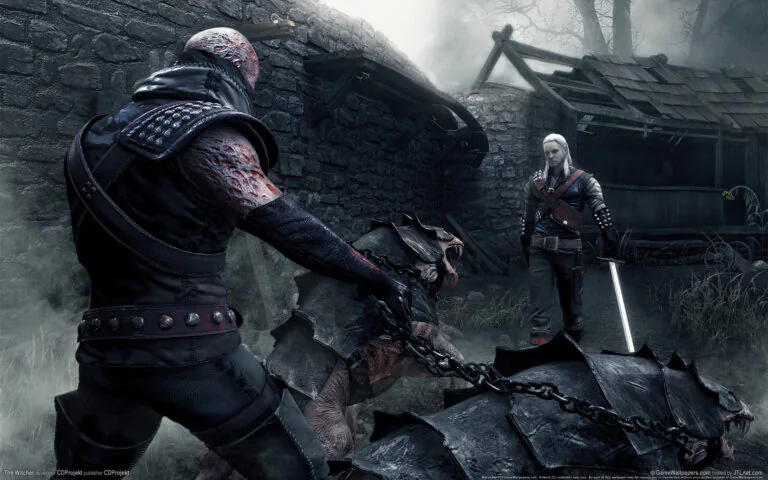
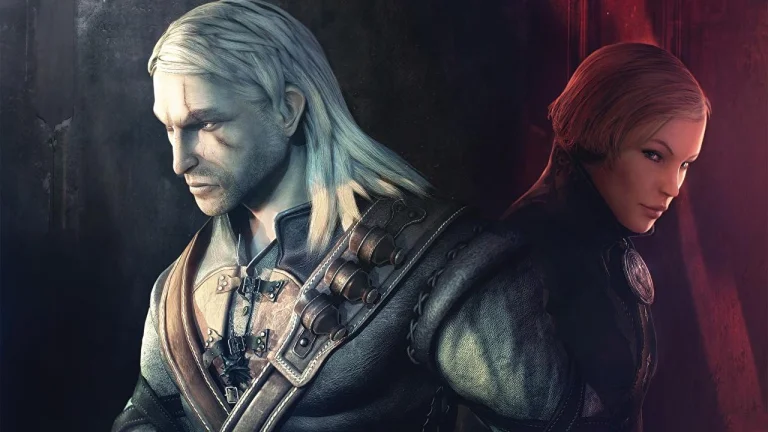
The main thing that made the first “The Witcher” so compelling was its atmosphere. The game presented a mature, “gritty” fantasy world where there was no clear division between absolute good and pure evil. Players were constantly forced to choose the lesser of two evils, and the consequences of these decisions only caught up with Geralt hours later in-game. The gloomy swamps of Vizima, Slavic folklore, excellent music and a detective-style plot made gamers turn a blind eye to the technical glitches and clunky animations.
-

- The Witcher

-

- The Witcher

-

- The Witcher
-
- The Witcher

-
- The Witcher

-

- The Witcher

-
- The Witcher

-
- The Witcher

-
- The Witcher

-
- The Witcher

-
- The Witcher
-
- The Witcher

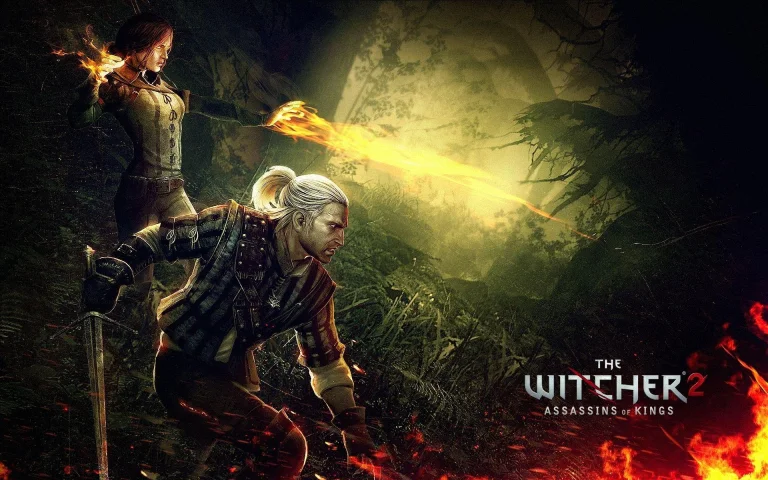
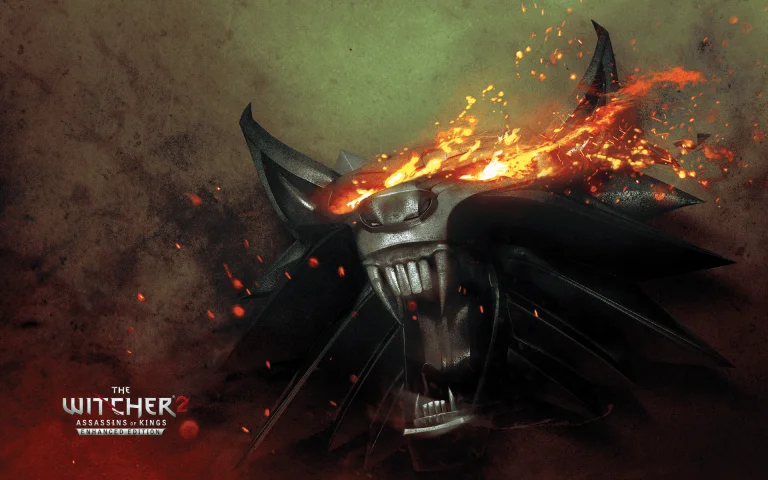
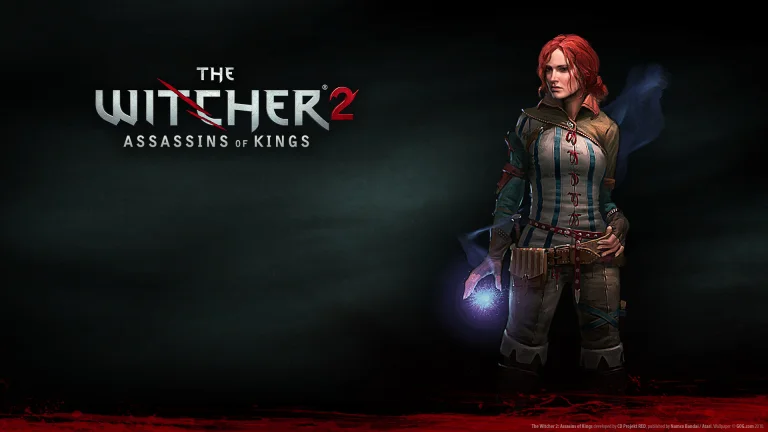
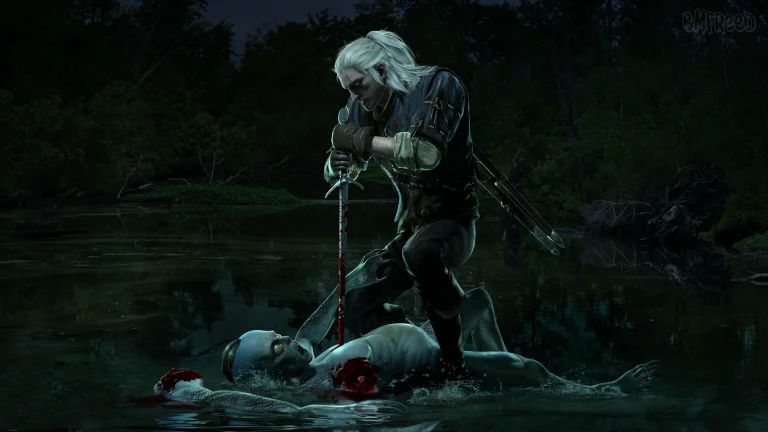
The Witcher 2: Assassins of Kings (2011) — A political thriller and a technological leap forward
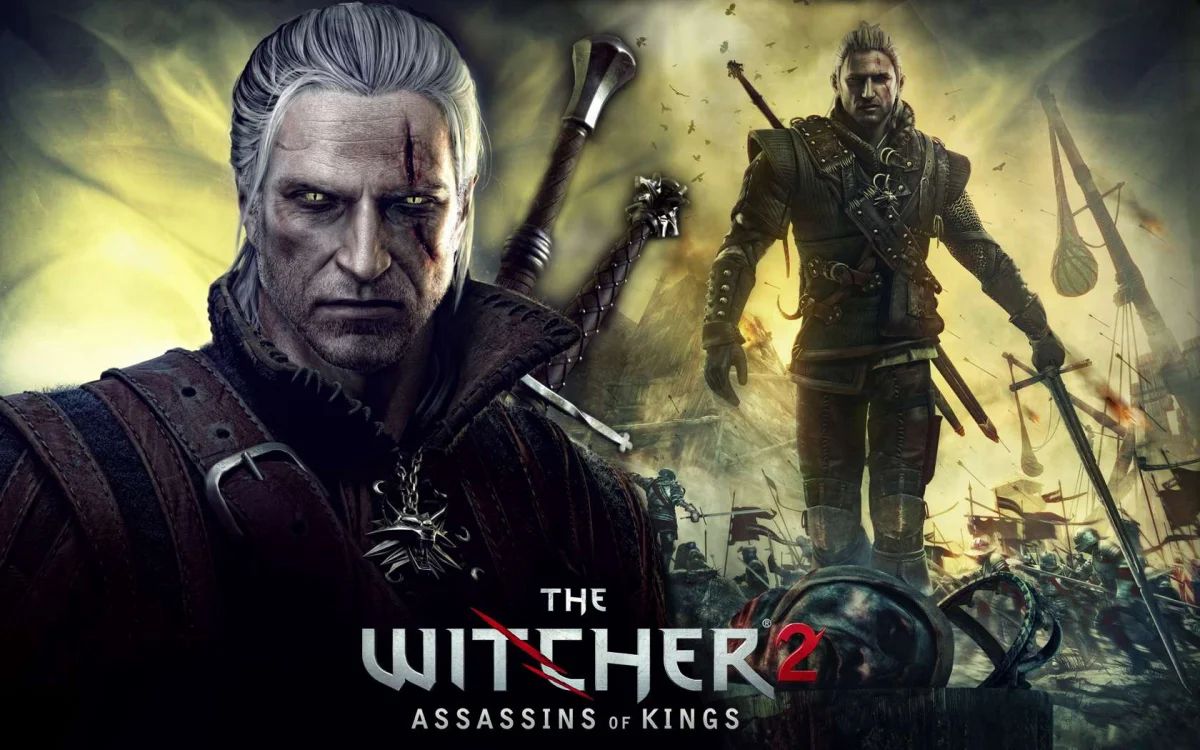
The second instalment marked a huge step forward for the studio. The developers moved away from third-party technologies and created their own engine, REDengine. The game made an incredible visual leap, becoming one of the most beautiful and resource-intensive titles of its time.
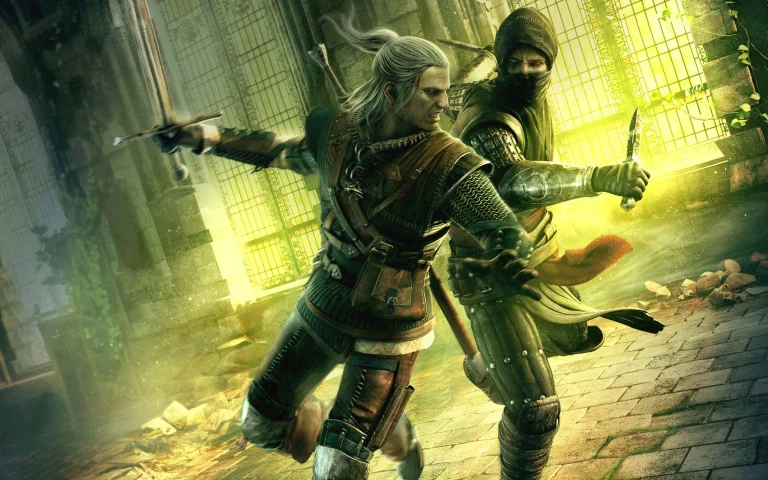
The plot of “Killers of Kings” shifted its focus: from local skirmishes with monsters and bandits, Geralt found himself drawn into large-scale political intrigues, monarchs’ conspiracies and the struggle for power. The combat system was completely overhauled, making it more dynamic and reminiscent of a classic slasher game with dodges and blocks. The game’s main selling point was its unprecedented non-linearity — depending on a single key choice in the first act, the entire second third of the game took place in completely different locations and with different characters.
-
- The Witcher 2

-
- The Witcher 2
-
- The Witcher 2
-
- The Witcher 2
-
- The Witcher 2

-
- The Witcher 2

-
- The Witcher 2
-
- The Witcher 2
-
- The Witcher 2

-
- The Witcher 2

-
- The Witcher 2
-
- The Witcher 2

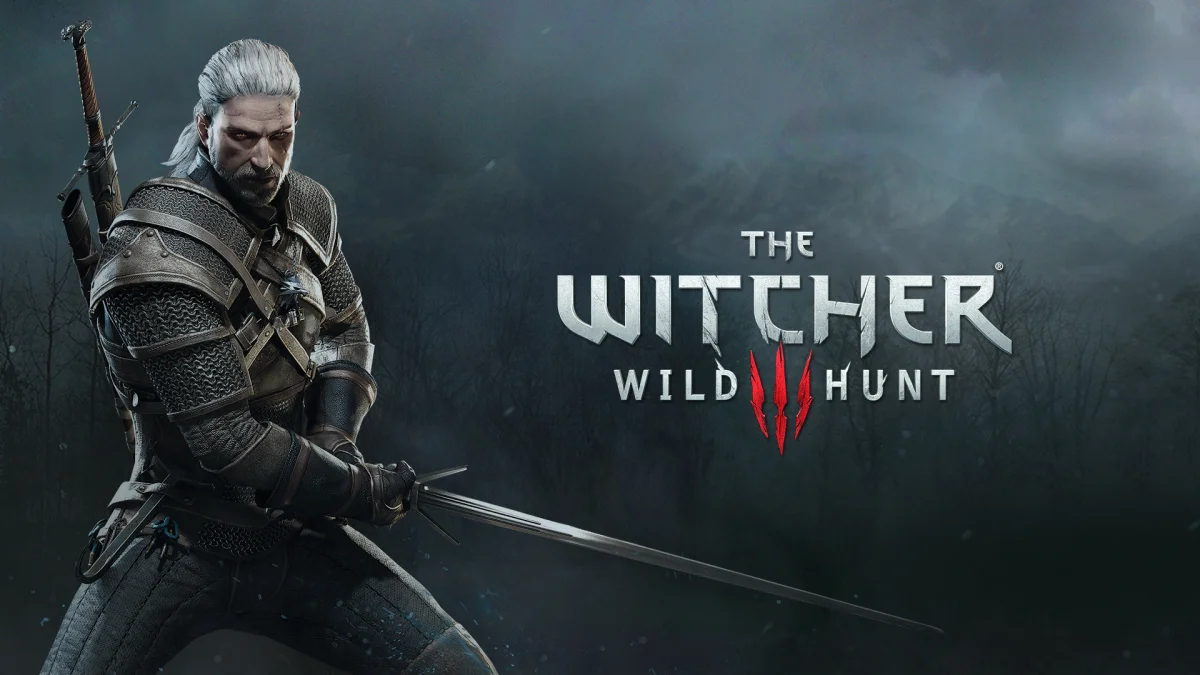
The Witcher 3: Wild Hunt (2015) — An open-world masterpiece
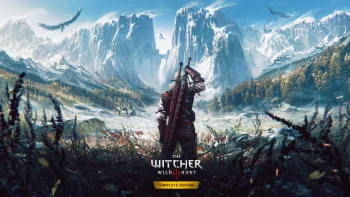
The Witcher 3
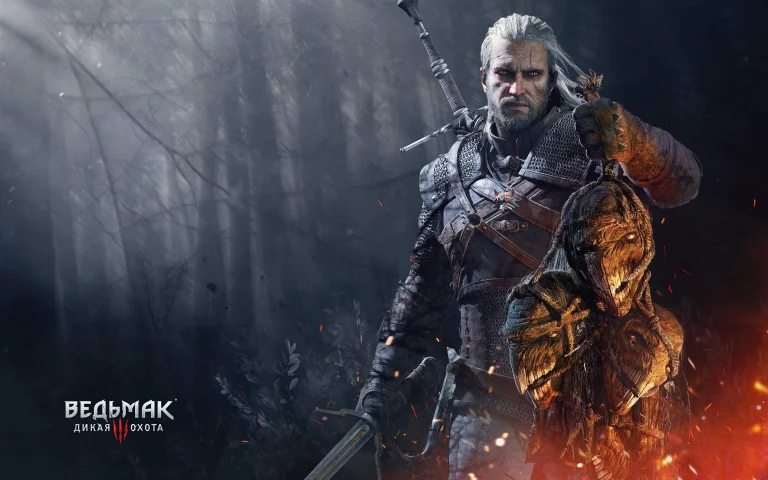
The release of “Wild Hunt” in 2015 was a triumph. CD Projekt RED set out to create a fully-fledged, seamless open world, whilst maintaining a strong focus on the storyline and character development — a challenge that few before them had managed to achieve.
Geralt returned to his usual duties: travelling the high road, taking on monster-hunting contracts and unravelling personal entanglements, chief among which was the search for his adopted daughter, Ciri.
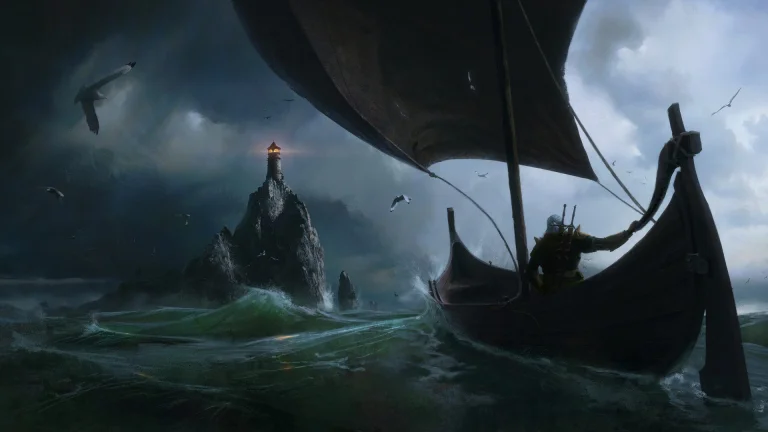
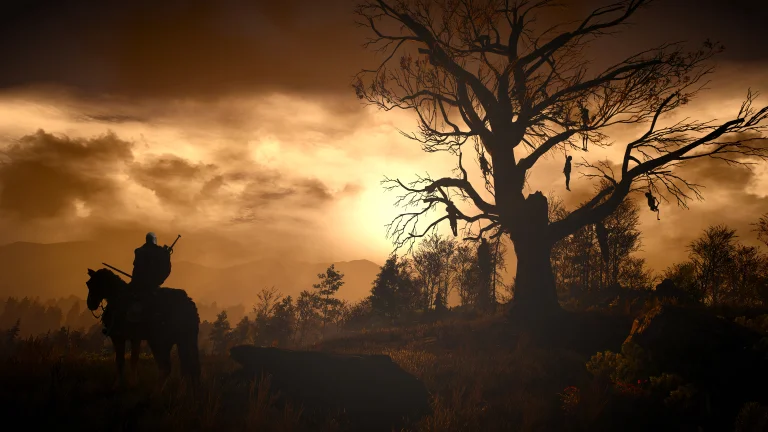
- A living world: Vast locations such as war-torn Velen, the free city of Novigrad and the rugged islands of Skellige looked incredibly lifelike. The inhabitants reacted to the weather, every monster had its own habits, and the natural world felt authentic.
- Side quests: The game did away with the concept of “pointless side quests”. Every little story found on the noticeboard could turn into a deep drama with unexpected twists. One need only recall the iconic Blood Baron questline.
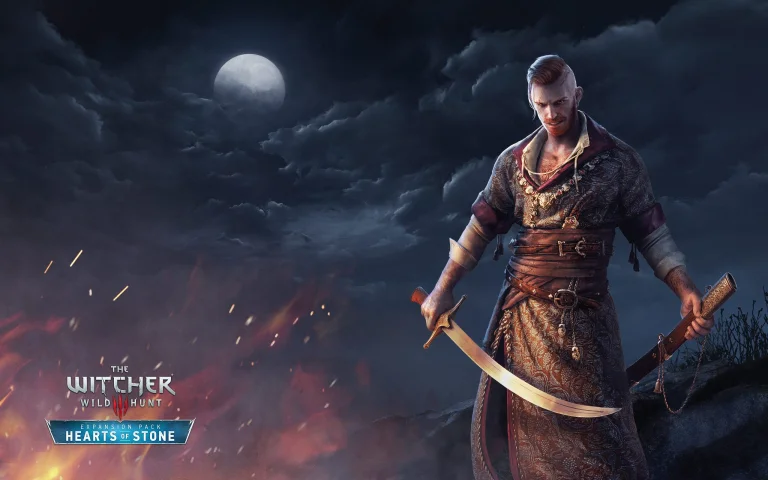
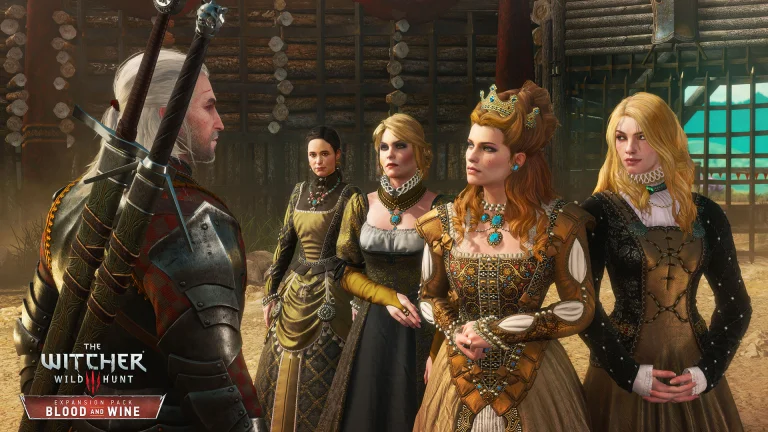
- Major expansions: The later DLCs, “Hearts of Stone” and “Blood and Wine”, surpassed many full-fledged standalone games in terms of scope and narrative quality, cementing the third instalment’s status as a cult classic once and for all.
-
- The Witcher 3

-
- The Witcher 3

-
- The Witcher 3

-
- The Witcher 3

-
- The Witcher 3

-

- The Witcher 3

-
- The Witcher 3

-
- The Witcher 3

-
- The Witcher 3

-
- The Witcher 3
-
- The Witcher 3

-
- The Witcher 3
-
- The Witcher 3

-
- The Witcher 3

-
- The Witcher 3
-
- The Witcher 3

-
- The Witcher 3

-
- The Witcher 3

-
- The Witcher 3
-

- The Witcher 3

-
- The Witcher 3
-
- The Witcher 3

-
- The Witcher 3

-
- The Witcher 3
-
- The Witcher 3

-
- The Witcher 3

-

- The Witcher 3

-
- The Witcher 3

The Witcher trilogy has proven that a good story, lively dialogue and attention to detail are what players value above all else. It is a cohesive, complete adventure that gamers are happy to return to even years after its release.
The article “The Witcher: Geralt of Rivia’s Journey” includes a selection of thematic photo and images suitable for website design, articles, blogs, and creative projects. All images are free to download in high quality.
These images are also great as desktop wallpaper for your computer, phone, or tablet.
Don’t forget to rate and comment on this article – it helps other visitors to our site find popular and truly interesting posts and photos more quickly.


Similar Articles


Thematic Albums



Popular Images