Modern US military aviation

The United States Air Force (USAF) bases its strategy on the principle of technological superiority. Today’s fleet is a combination of aircraft that have stood the test of time over decades and state-of-the-art machines that transform an aeroplane into a “flying server”.
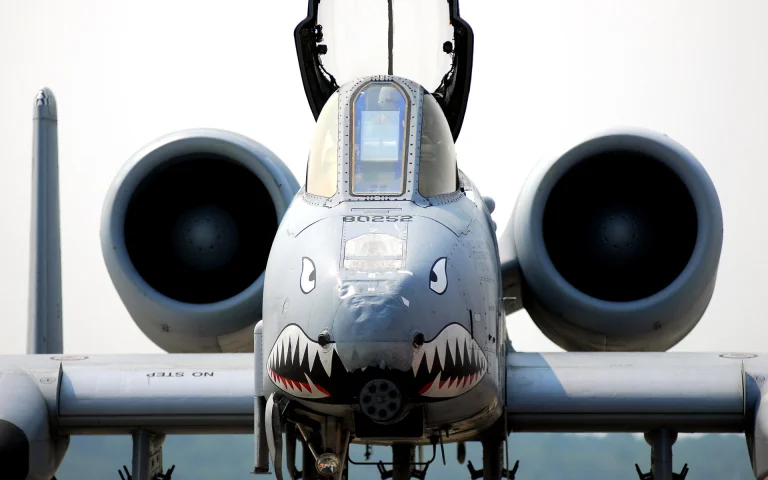
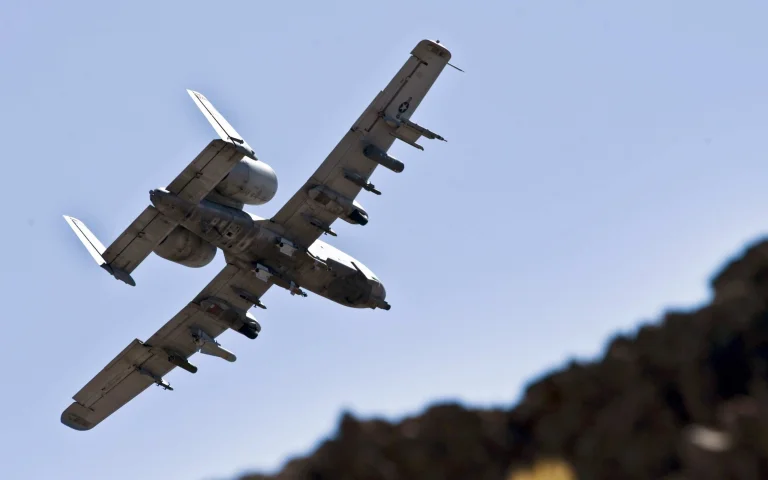
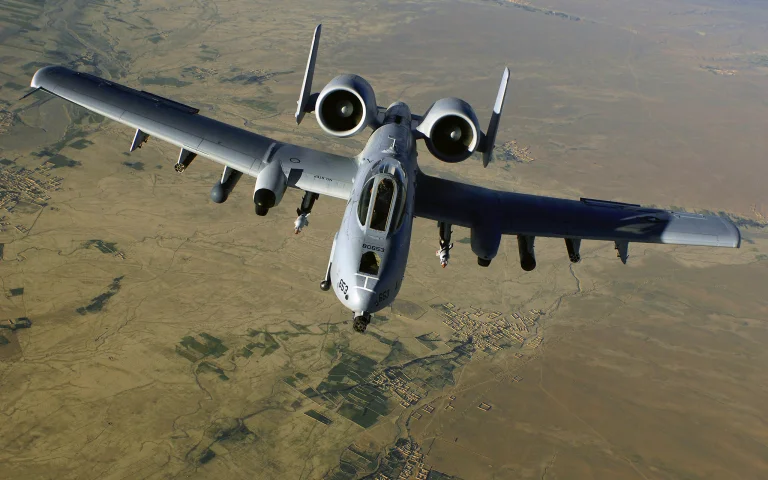
The Invincible Reaper: A-10 Thunderbolt II
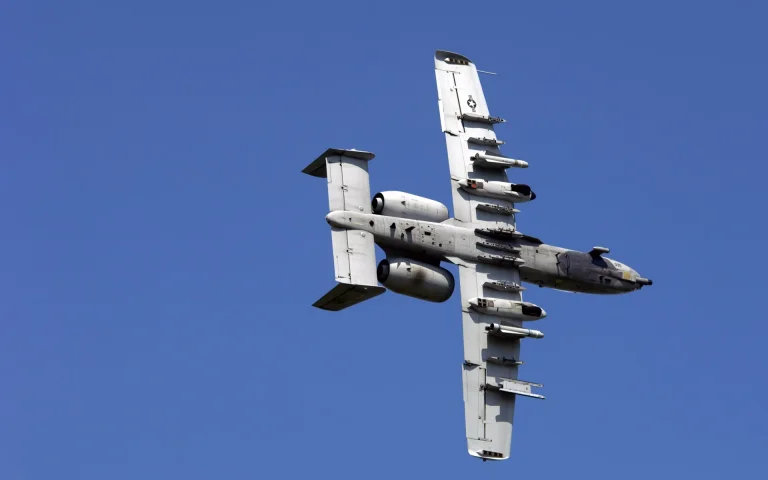
When a distinctive rumbling sound, like the tearing of dense fabric, echoes across the horizon, ground forces know that the “Wart” has entered the fray. The A-10 Thunderbolt II is not just a ground-attack aircraft, but a veritable flying fortress built around the colossal seven-barrelled GAU-8 Avenger 30 mm cannon. This aircraft was designed with a single purpose in mind: to survive where others fall. The pilot literally sits in a titanium “bathtub” weighing over half a tonne, capable of withstanding a direct hit from 23-mm shells. The attack aircraft’s design allows it to continue flying even if it loses one engine, half its tail section and a significant portion of its wing. Despite its advanced age, its ability to “hang” over the battlefield at low altitudes for hours on end and provide direct fire support makes it indispensable, although modern air defence systems are increasingly forcing the Pentagon to consider its successors.
Lords of the Skies: The Evolution of the F Series
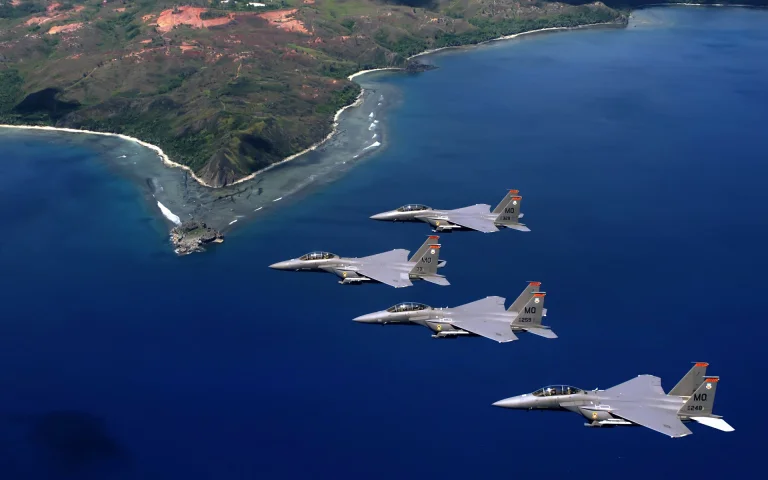
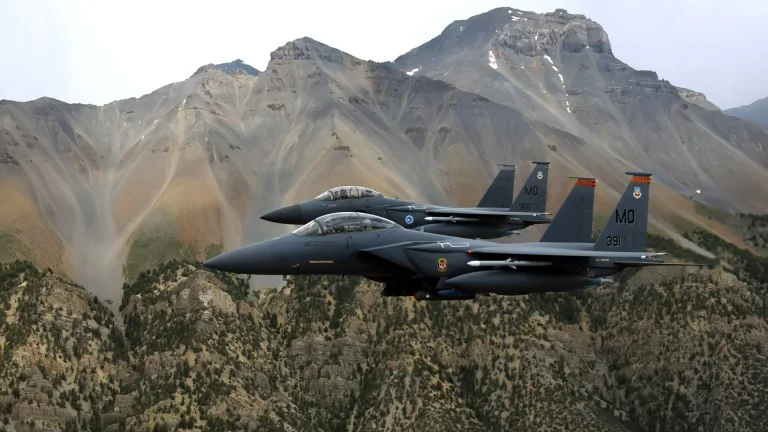
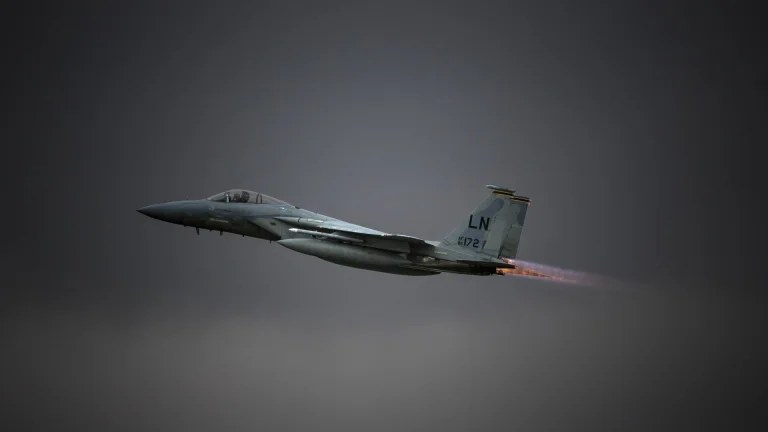
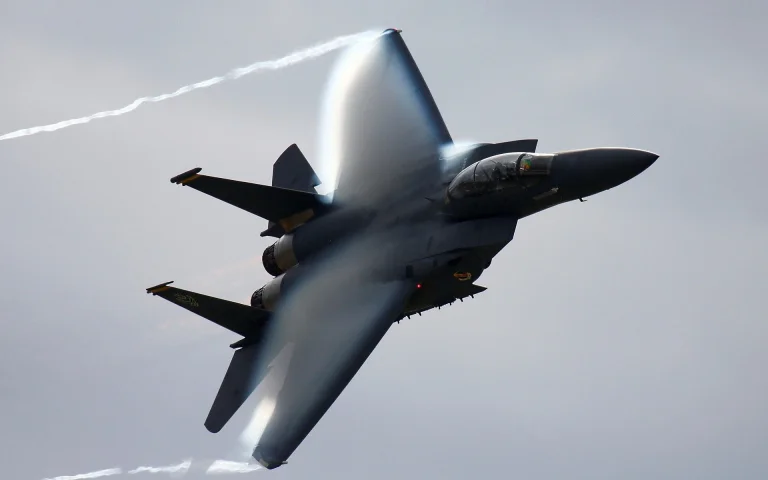
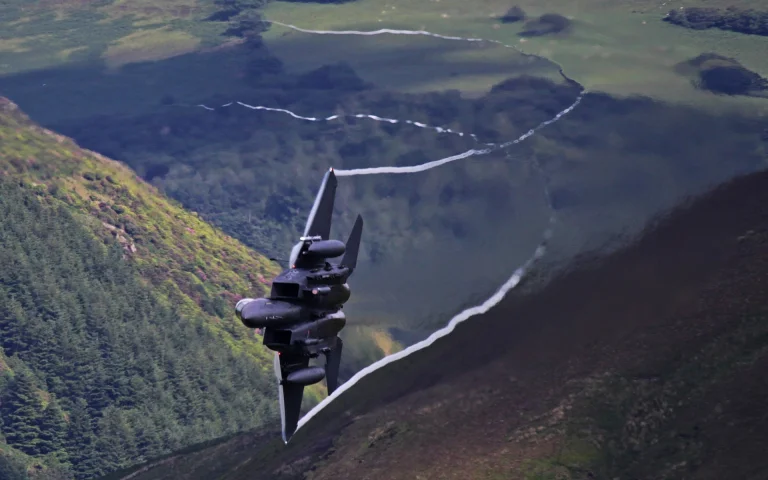
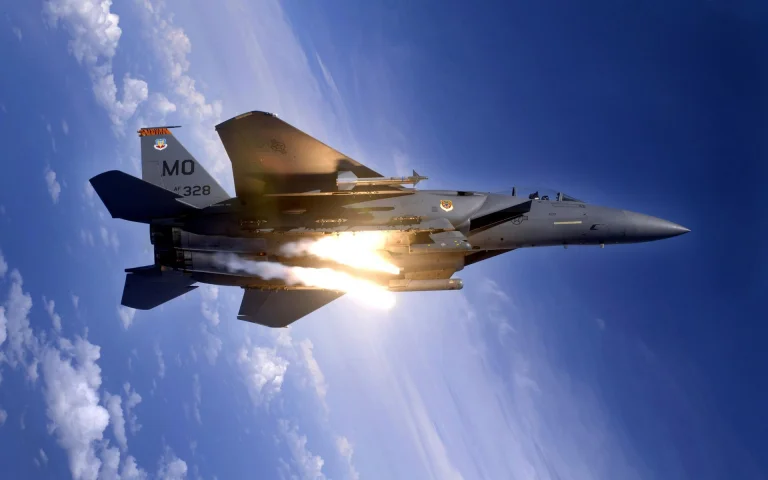
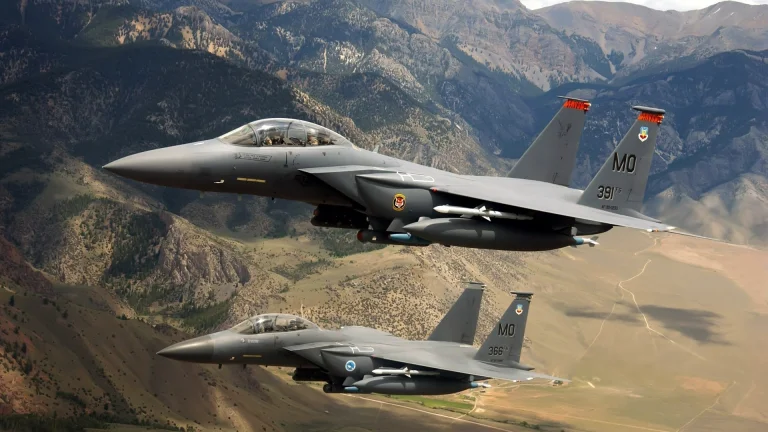
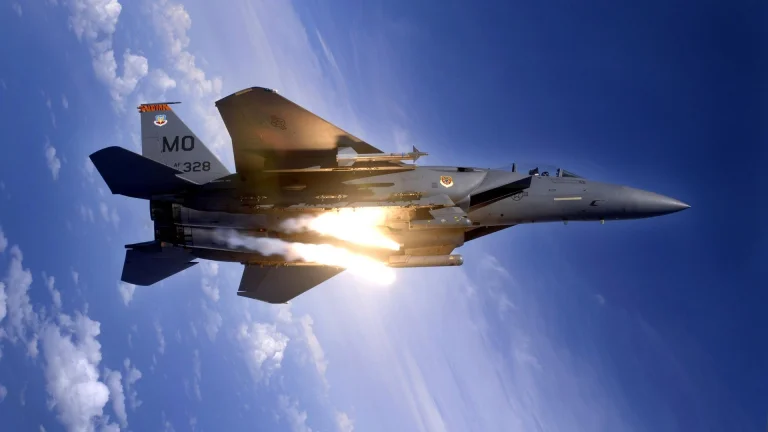
Whilst attack aircraft operate in the mud and dust close to the ground, the “F” series fighters dominate the stratosphere. The F-15 Eagle has gone down in history as the most successful air superiority fighter, with over a hundred confirmed aerial victories to its name and not a single loss to enemy aircraft. Its modern incarnation — the F-15EX Eagle II — has become a heavily armed “missile carrier”. Capable of carrying up to 13 tonnes of payload and reaching speeds of up to 2.5 Mach, this aircraft is equipped with the latest AN/APG-82 AESA radar and the EPAWSS electronic warfare system, enabling it to detect threats long before they can spot it.
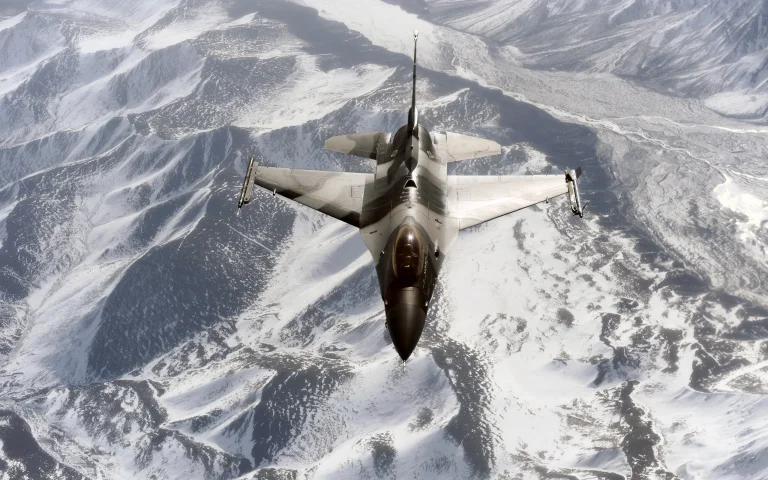
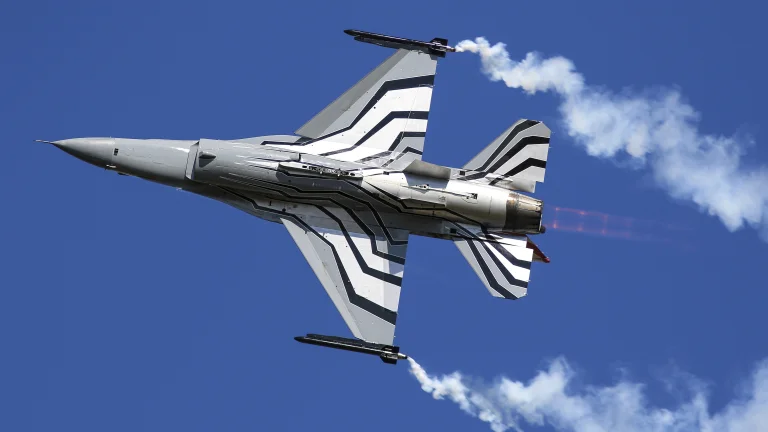
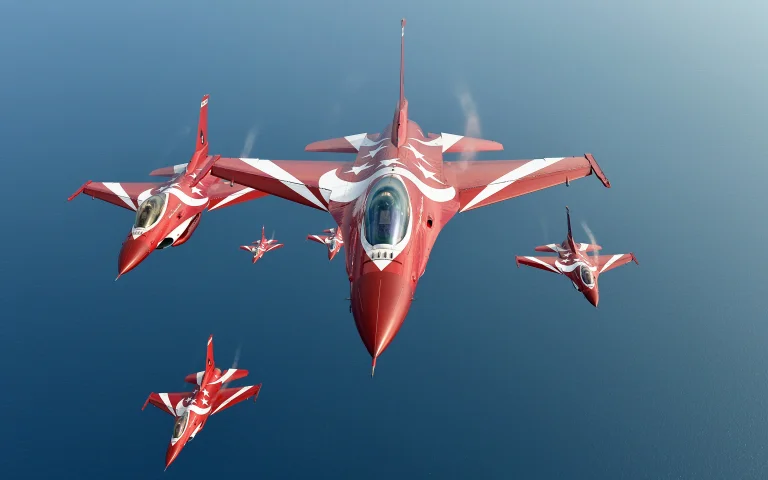
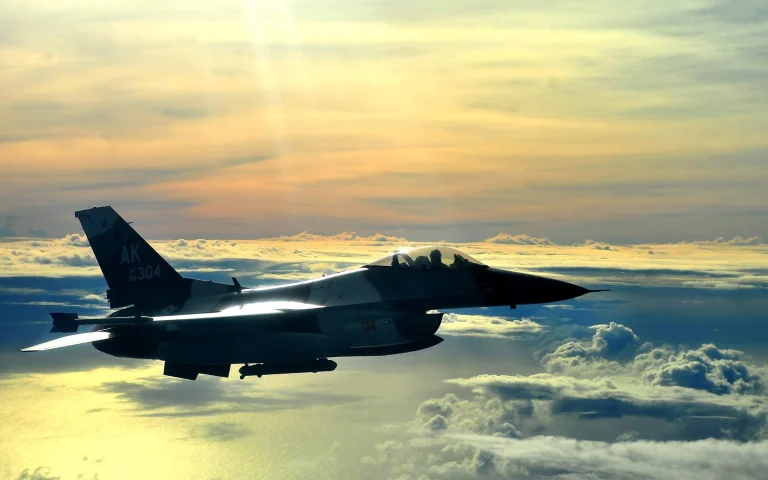
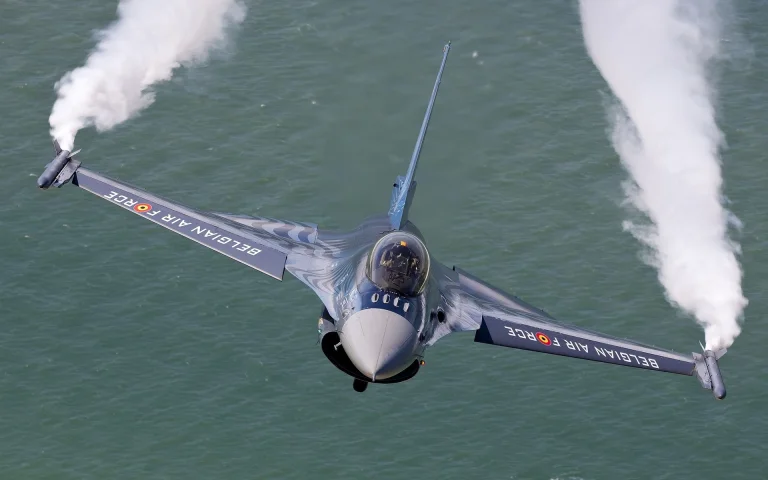
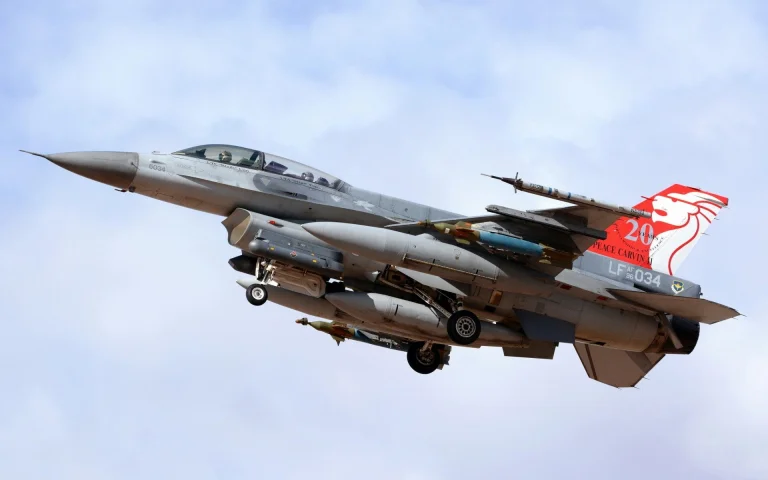
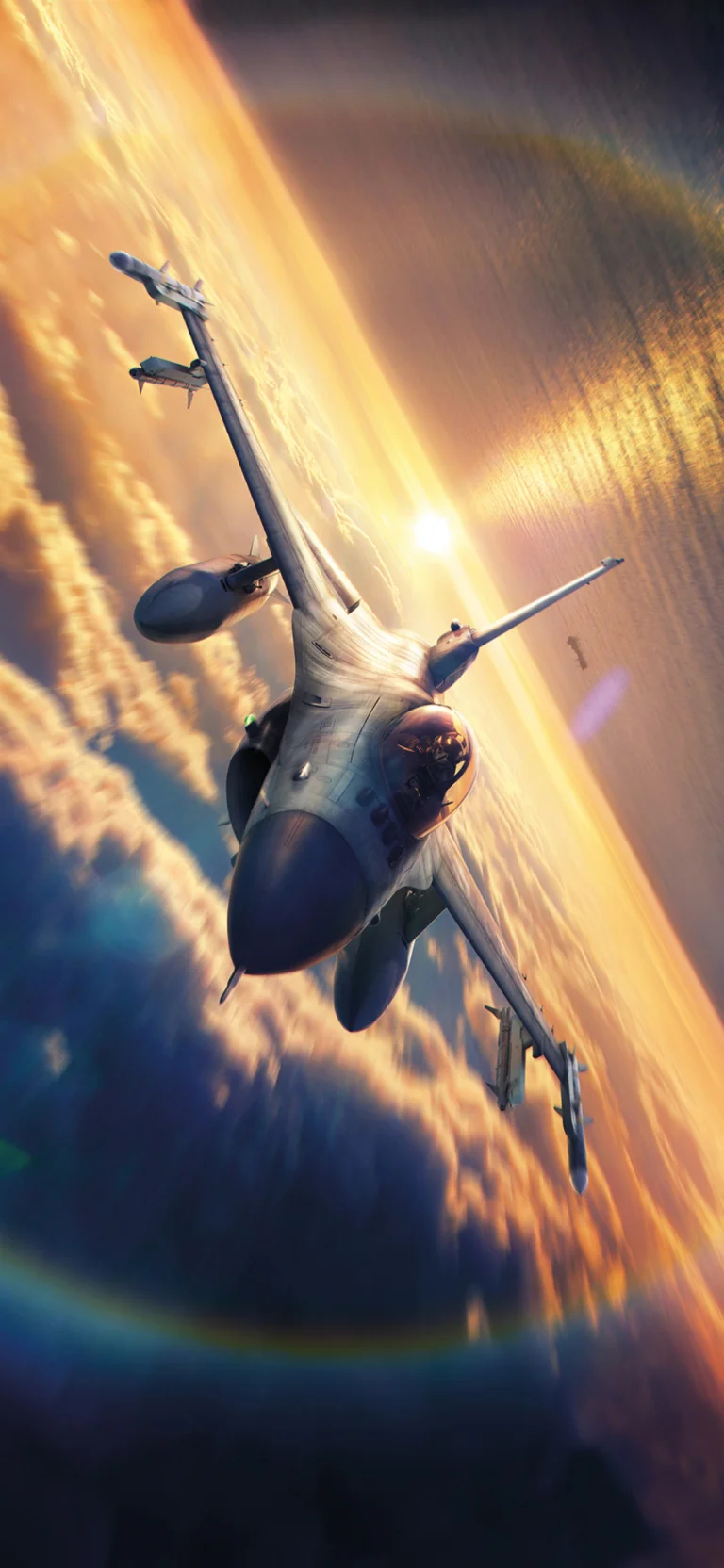
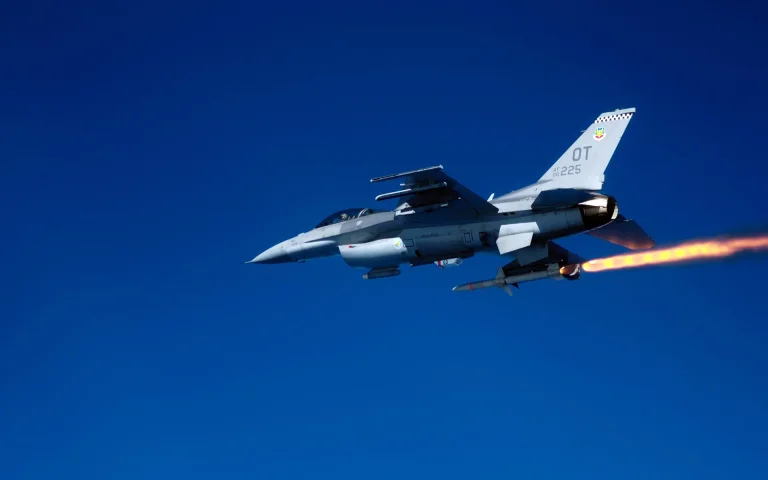
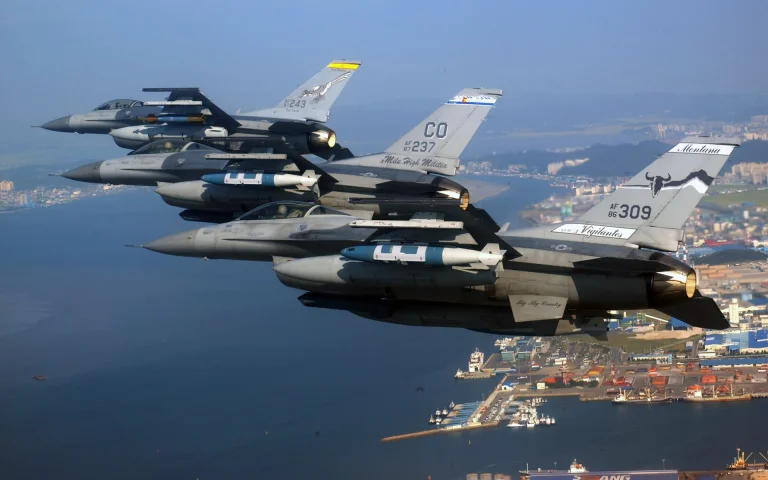
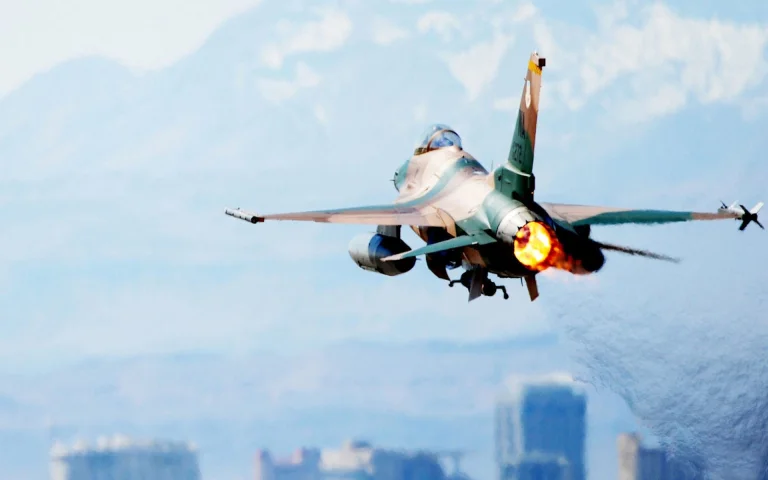
The F-16 Fighting Falcon—affectionately known to pilots as the “Viper” — is of a completely different character. It is a lightweight, incredibly manoeuvrable multi-role fighter, which became the world’s first production aircraft to feature a fly-by-wire control system. The latest variants, the Block 70/72, have been fitted with fifth-generation avionics, transforming this time-tested aircraft into a formidable opponent capable of carrying out any mission: from interception to high-precision strikes against ground targets at any time of day or night.

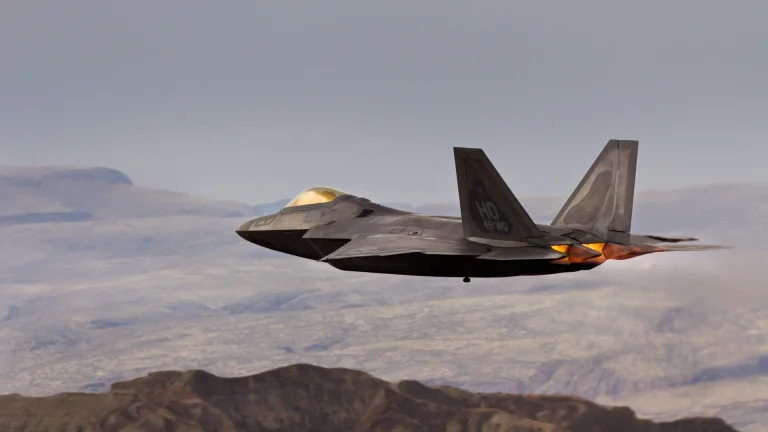
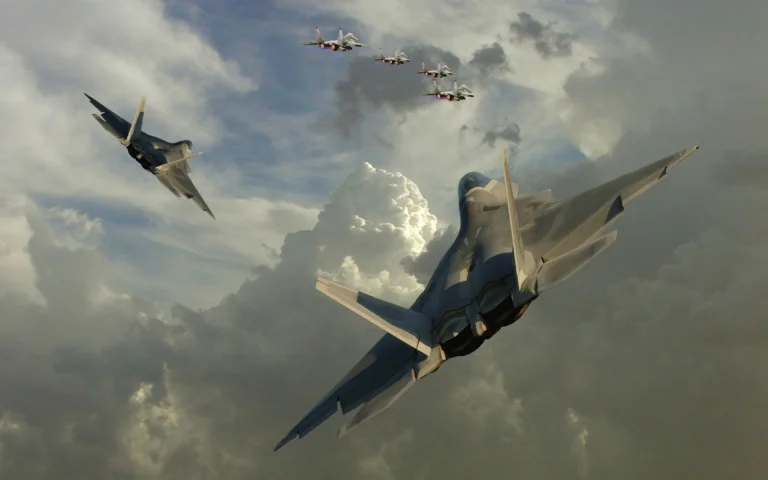
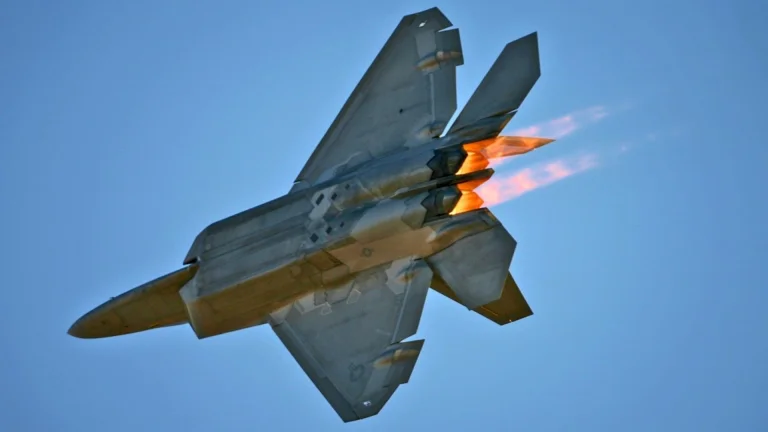
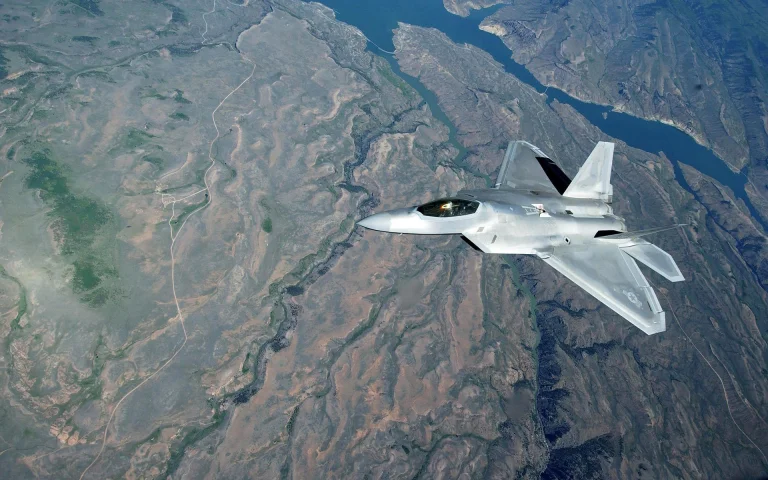
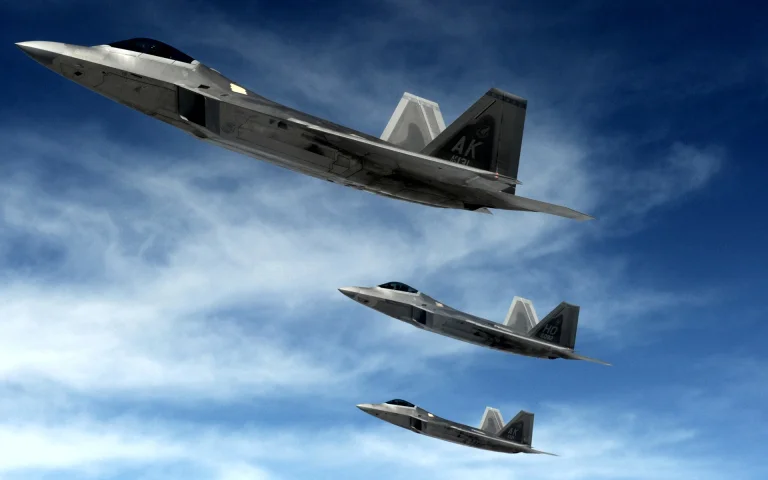
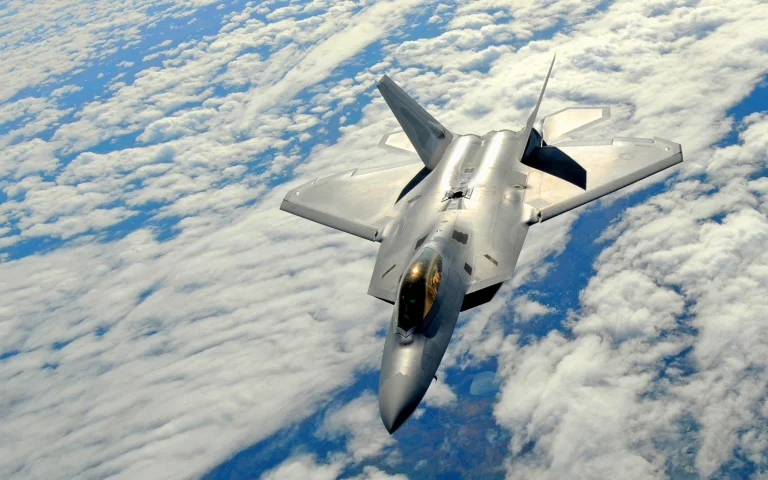
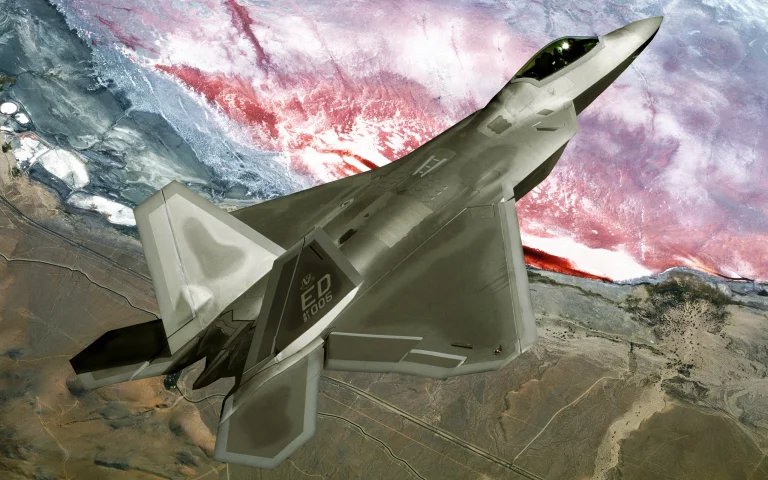
The F-22 Raptor represents the pinnacle of current technology. This aircraft is a “stealth” fighter. Thanks to its special radar-absorbing coating and fuselage geometry, its effective radar cross-section is comparable to that of a metal golf ball. The Raptor is capable of cruising at supersonic speeds without using afterburner and features thrust vectoring, which gives it exceptional manoeuvrability in close-quarters combat. However, its era is gradually being complemented by the versatility of the F-35 Lightning II.
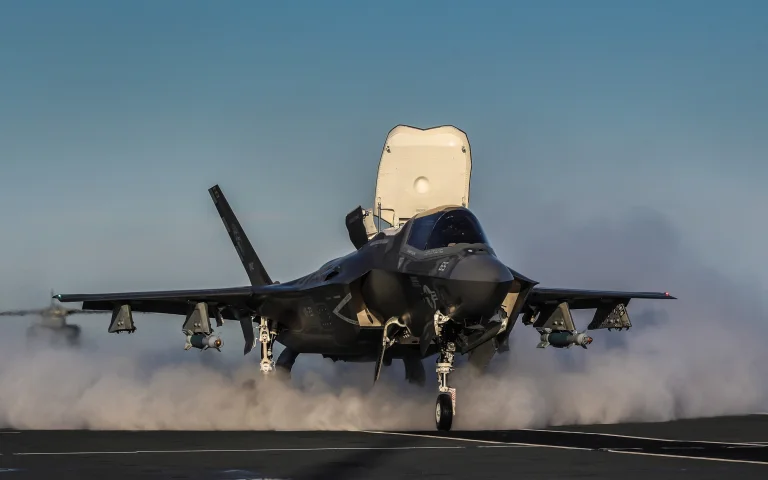
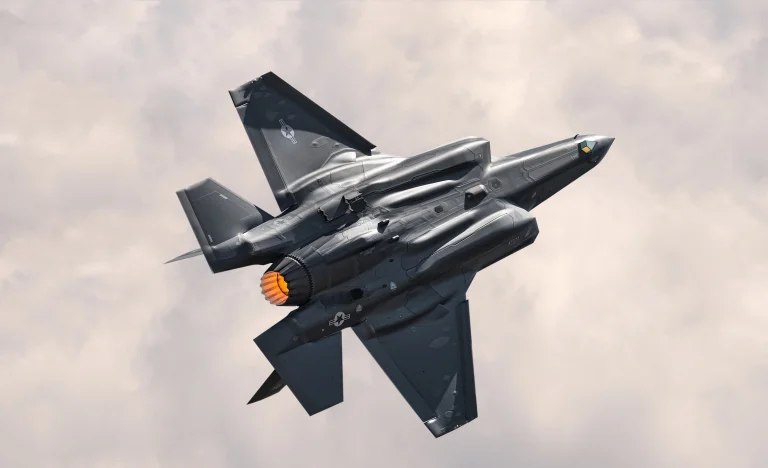
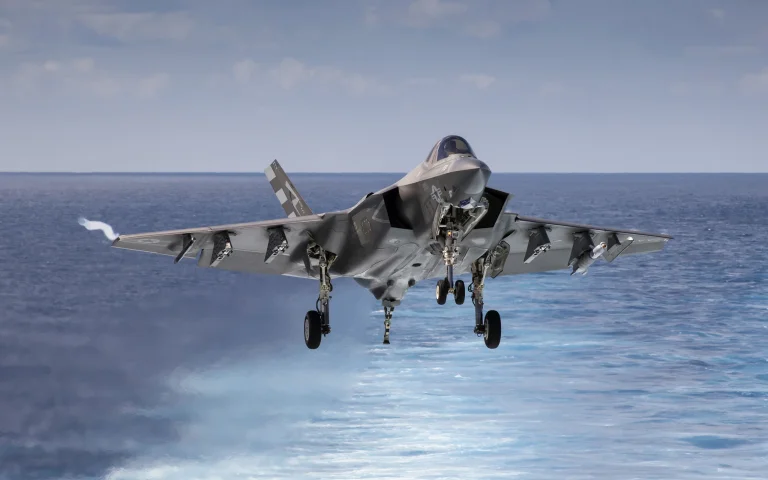
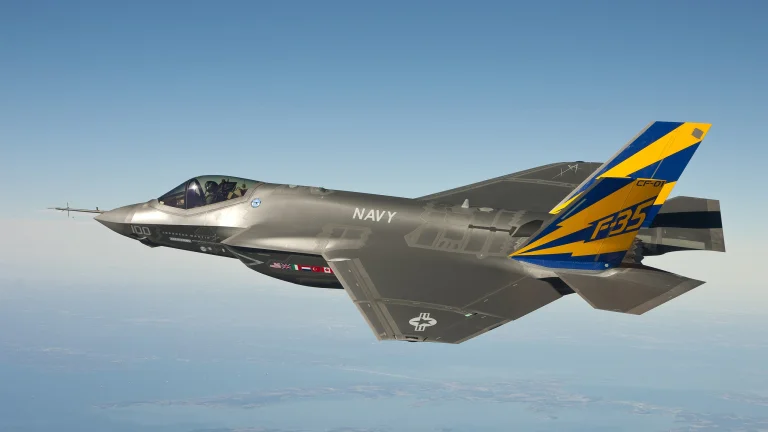
If the F-22 is a duellist, then the F-35 is a conductor. Thanks to the Sensor Fusion system, the aircraft gathers data from every possible source and transmits it directly to the pilot’s helmet-mounted display, allowing the pilot to literally “see through the floor” of the cockpit. The F-35 is produced in three variants, including the “B” version with vertical landing capability, making it the most widely produced and sought-after stealth fighter in the world.
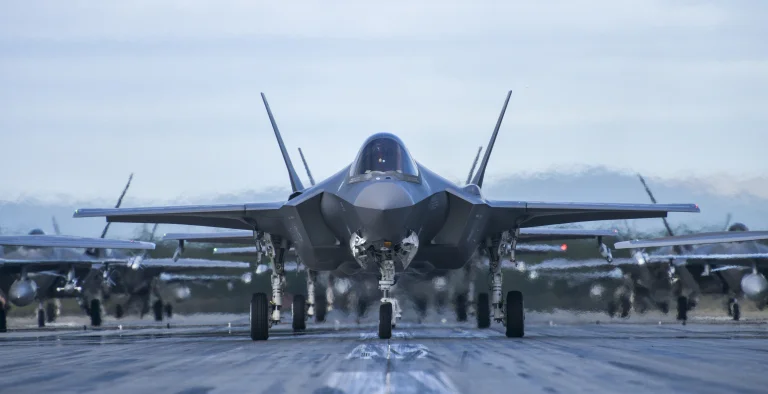
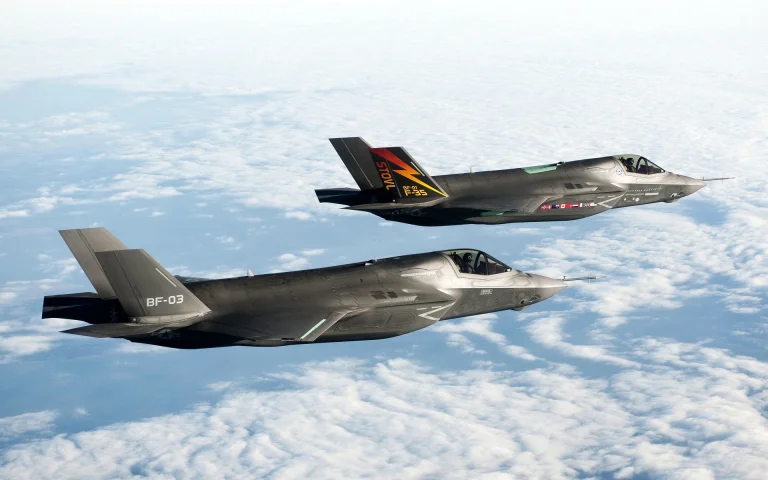
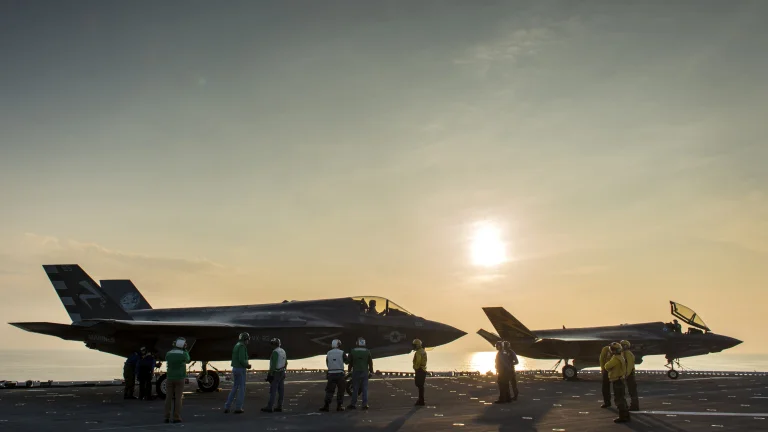
-

- Lockheed Martin F-35
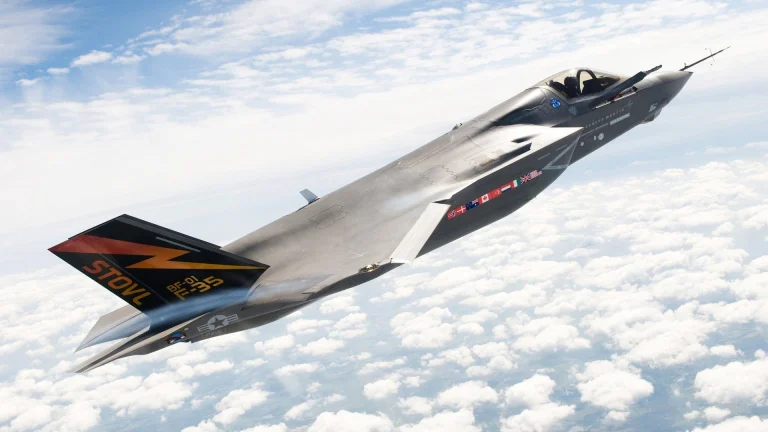
-
- Lockheed Martin F-35
The Steel Fist of Aircraft Carriers: From the “Tomcat” to the “Hornet”
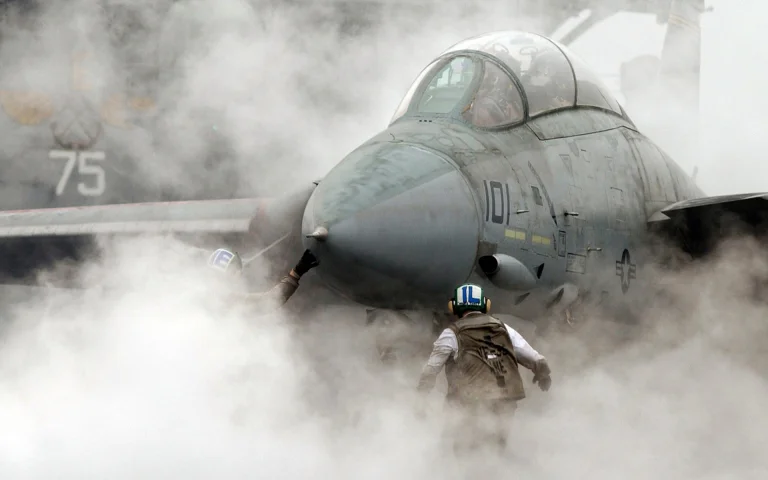
The history of carrier-based aviation is always a story of compromises between power and the limited space of the flight deck. Here, aircraft must not only be fast, but also incredibly robust, capable of withstanding hard landings using an arresting gear and the sudden jolts of the catapult.
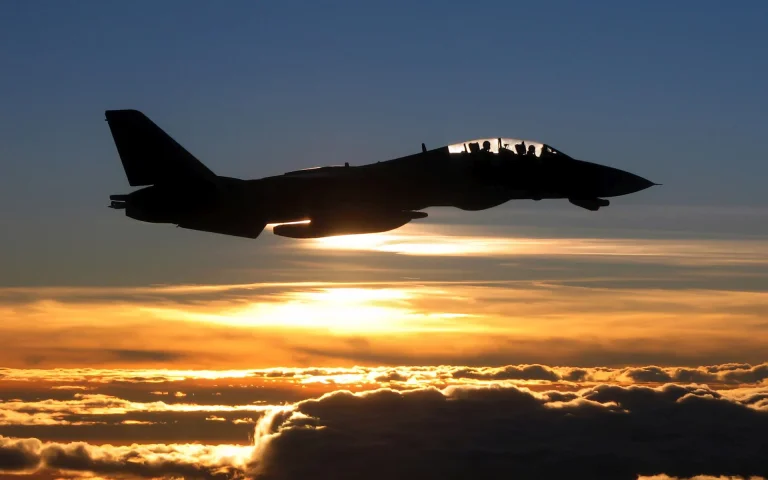
F-14 Tomcat: A Legend of the Past and Defender of the Fleet
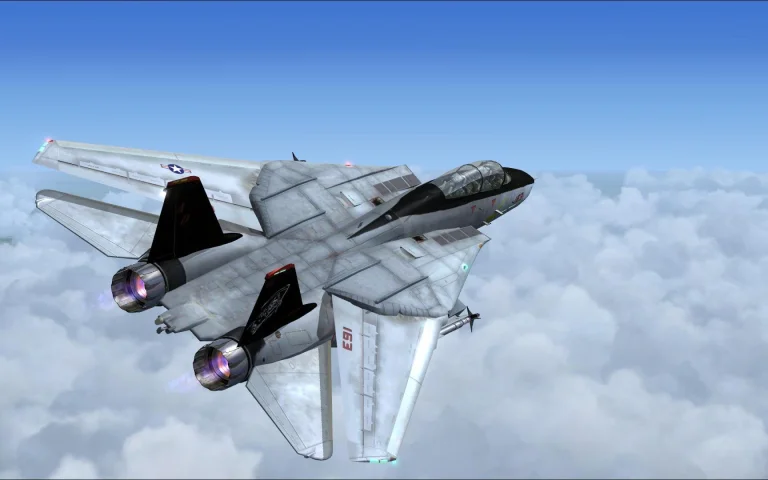
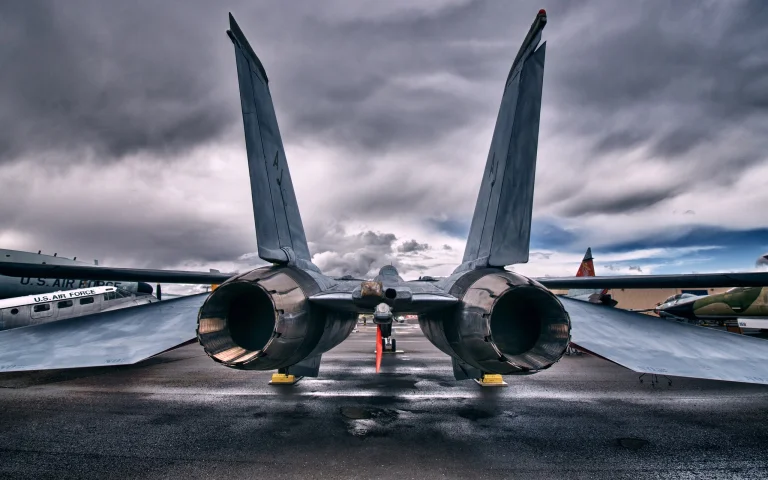
The F-14 Tomcat became the embodiment of the technical radicalism of the 1970s. Its most recognisable feature was its variable-sweep wing geometry: at low speeds, the wings spread out, providing enormous lift for take-off from the deck, whilst in pursuit of supersonic speeds they folded in, transforming the aircraft into a swift arrowhead. It was a pure-bred interceptor, designed to defend aircraft carrier strike groups from Soviet bombers. Its “eyes” were the powerful AWG-9 radar, capable of tracking up to 24 targets simultaneously, whilst its “long arm” consisted of the unique AIM-54 Phoenix missiles with a launch range of up to 190 km. Although the US Navy officially retired the “Cat” in 2006, it has remained forever etched in popular culture as a symbol of an era, largely thanks to its photogenic appeal and its power, which demanded exceptional skill from the crew (the pilot and weapons operator).
The F/A-18 Hornet and Super Hornet: The All-Rounder
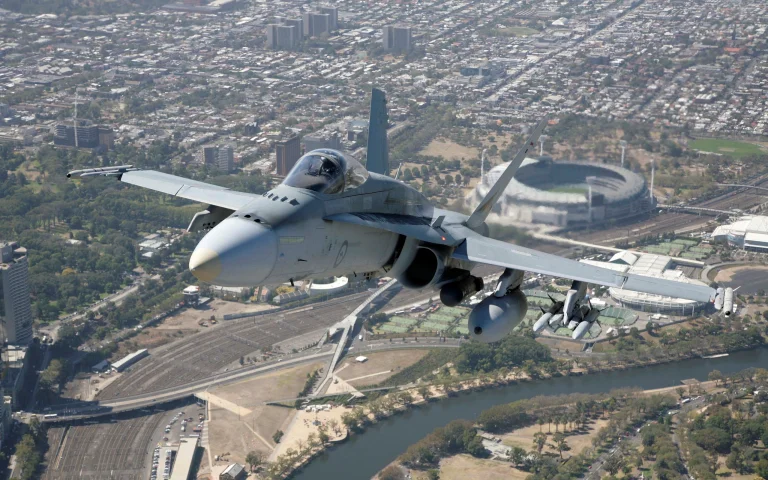
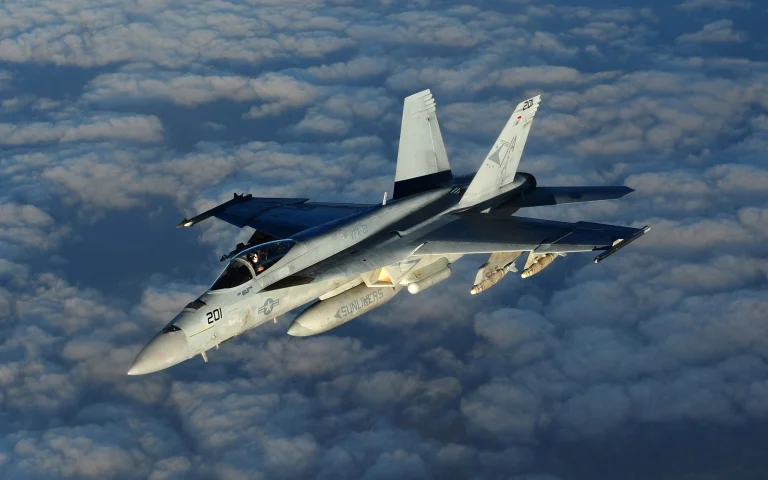
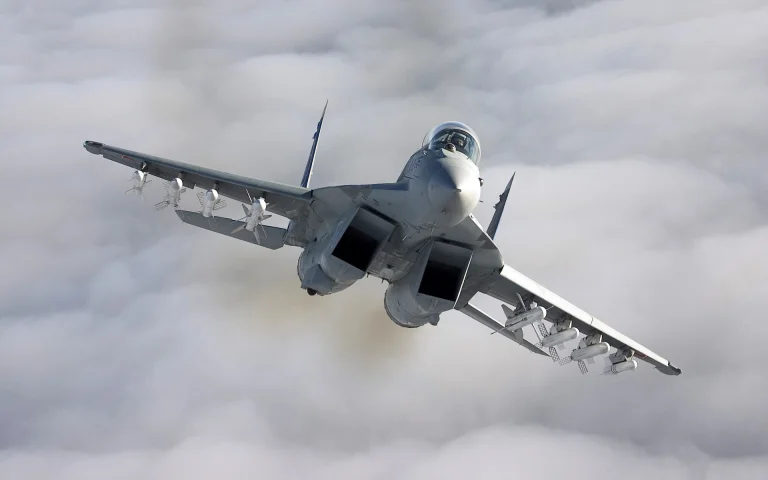
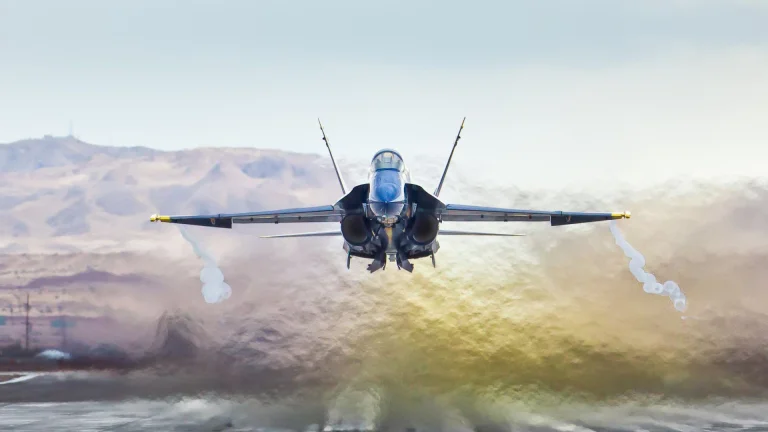
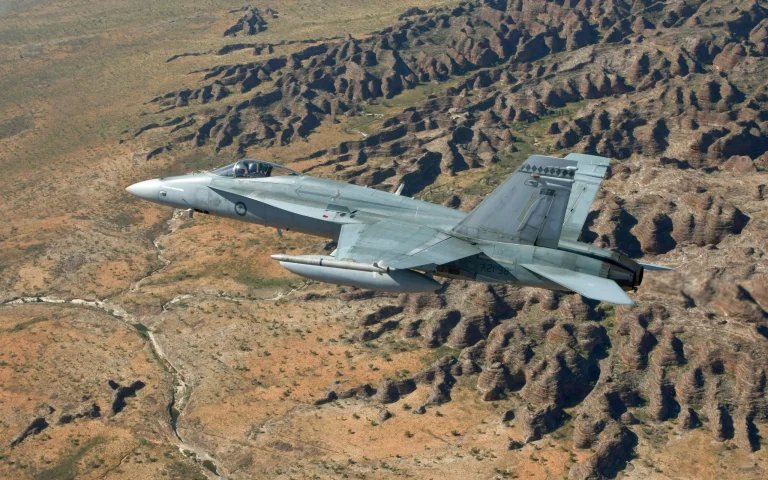
The highly specialised “Tomcat” was succeeded by the F/A-18 Hornet, where the “F/A” prefix (Fighter/Attack) clearly indicated its dual nature. Whilst the F-14 was a heavy and high-maintenance “sword”, the Hornet became a multi-purpose “Swiss Army knife”. The modern version, the F/A-18E/F Super Hornet, is effectively a new aircraft, 25 per cent larger than its predecessor and with a significantly increased fuel capacity.
Unlike the “Tomcat”, the “Super Hornet” focused not on record-breaking speed, but on high manoeuvrability at high angles of attack and advanced electronics. The digital control system and modern glass cockpit allow the pilot to single-handedly carry out tasks that previously required a two-man crew. Furthermore, this platform served as the basis for the EA-18G Growler — a specialised electronic warfare aircraft capable of “blinding” enemy radars over vast distances. Today, the “Super Hornets” form the backbone of any US carrier strike group, ensuring flexibility in the use of forces: from gaining air superiority to precision strikes against ground command centres.
-

- F-18 Hornet
-
- F-15 Eagle
Shadows in the Clouds: Strategic Power
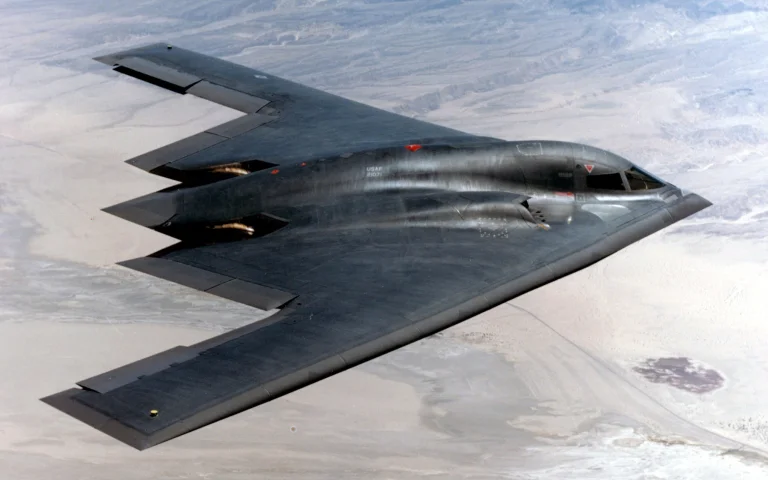
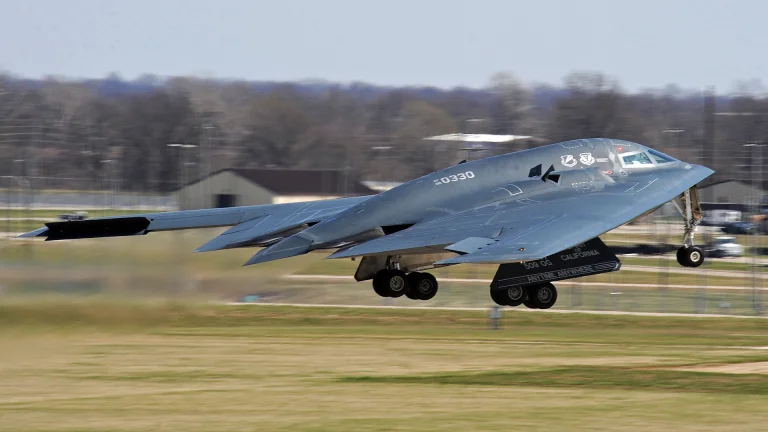
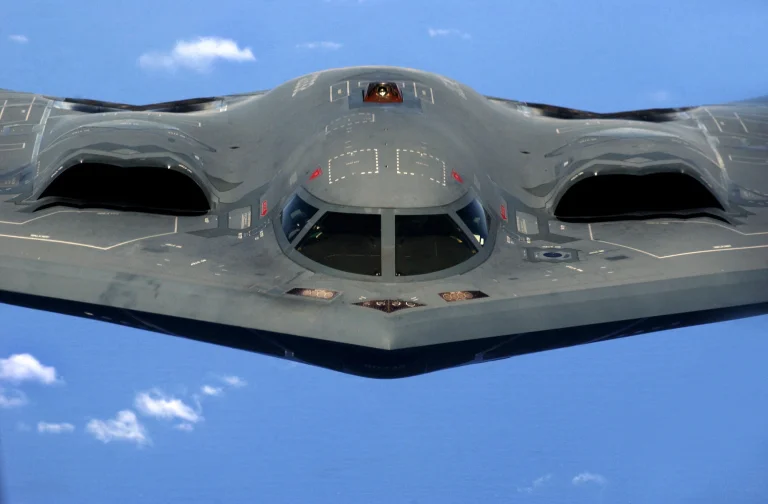
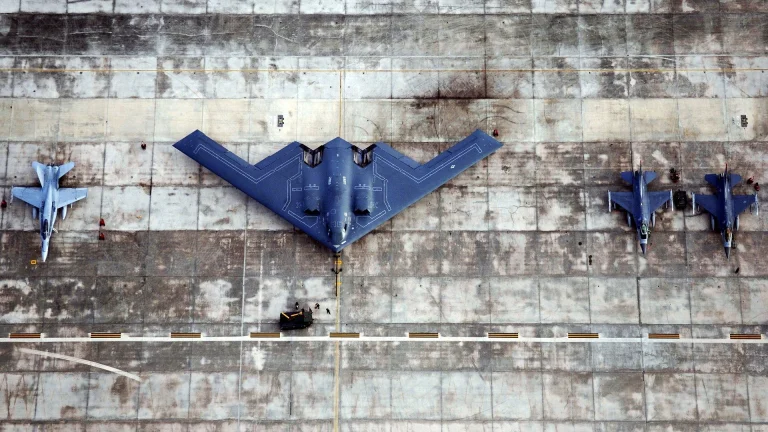
Deep within American air bases, aircraft stand on duty, their appearance seemingly straight out of a science fiction novel. The B-2 Spirit, built using a “flying wing” design, is the most expensive aircraft in human history — each one costs over 2 billion dollars. Its mission is to penetrate even the densest air defence systems undetected and deliver a conventional or nuclear warhead to the heart of the enemy. It has no vertical stabilisers, and is controlled by an extremely complex mechanism on the trailing edge of the wing, which makes it virtually invisible to long-wave radar.
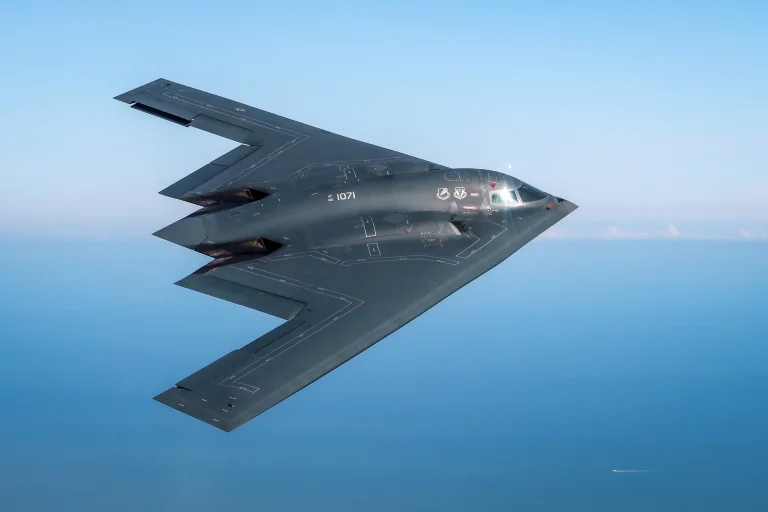
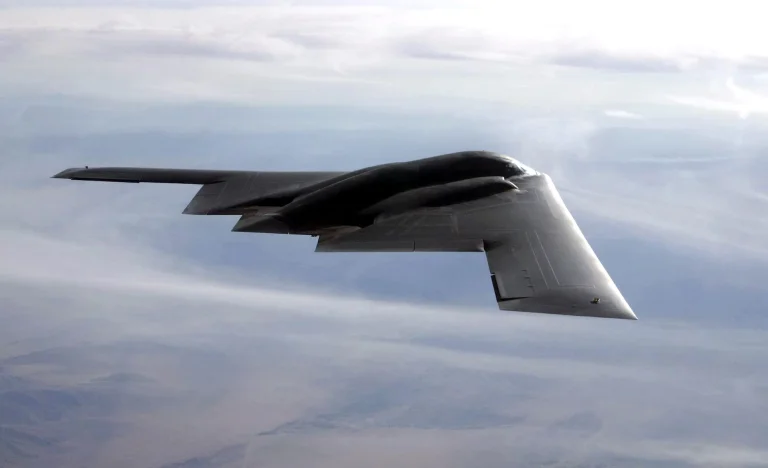
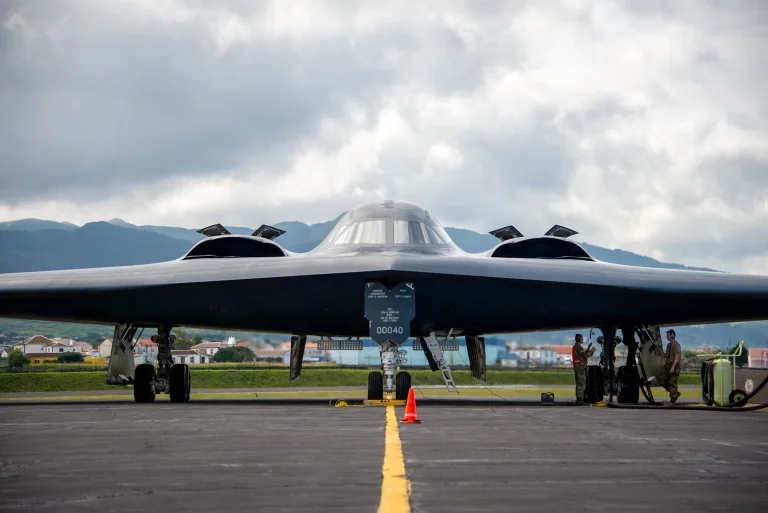
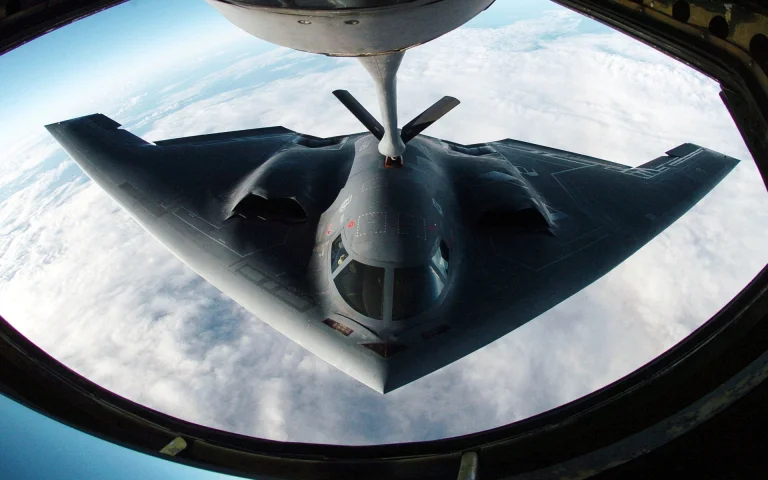
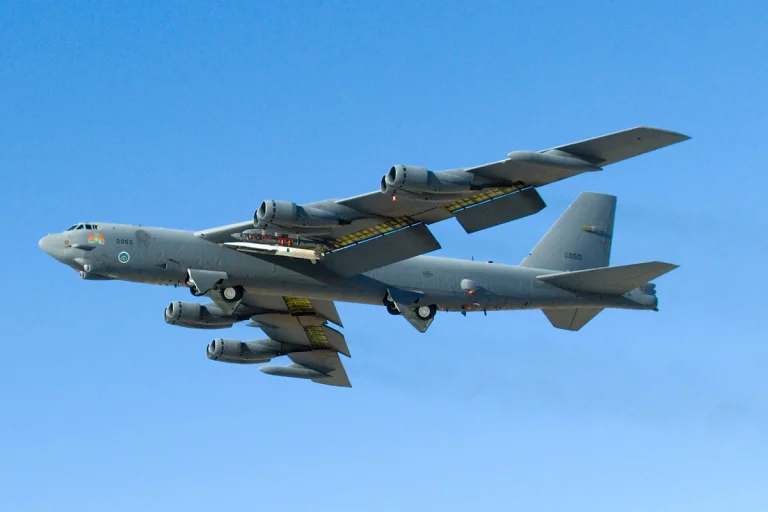
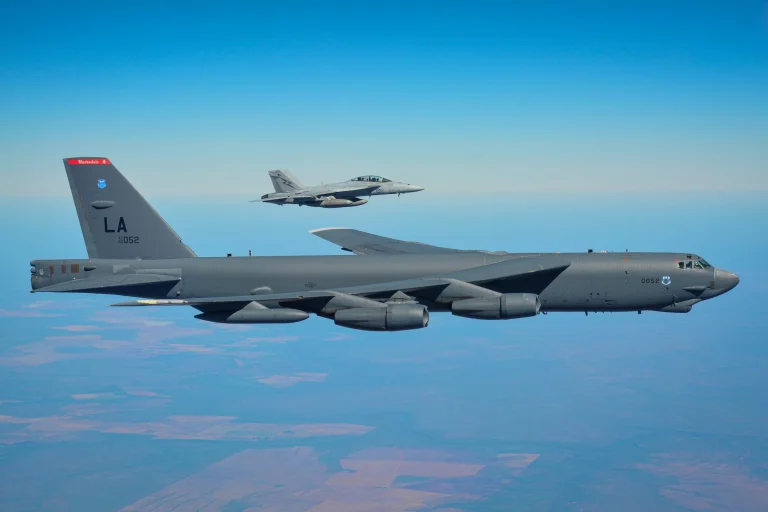
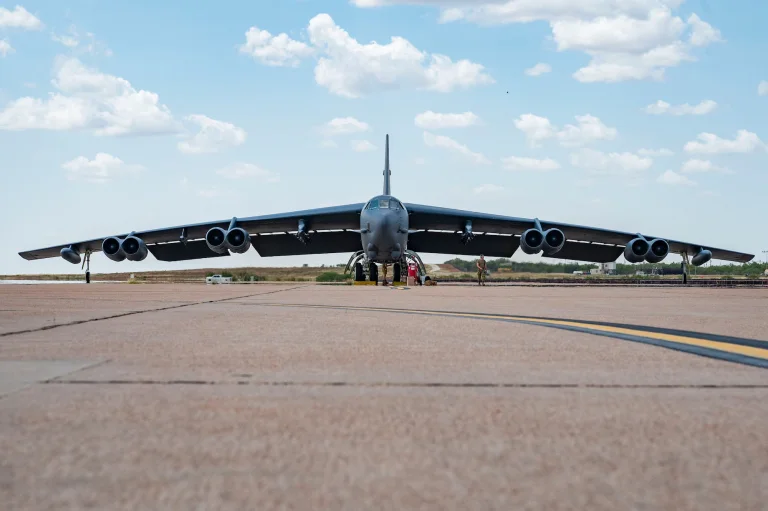
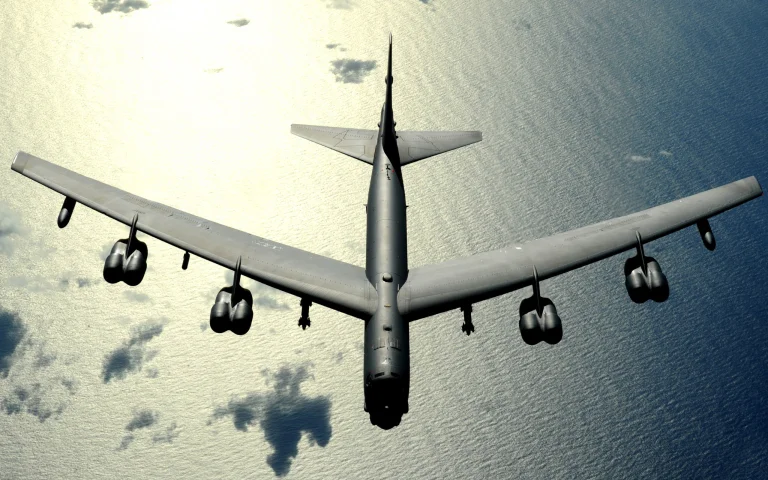
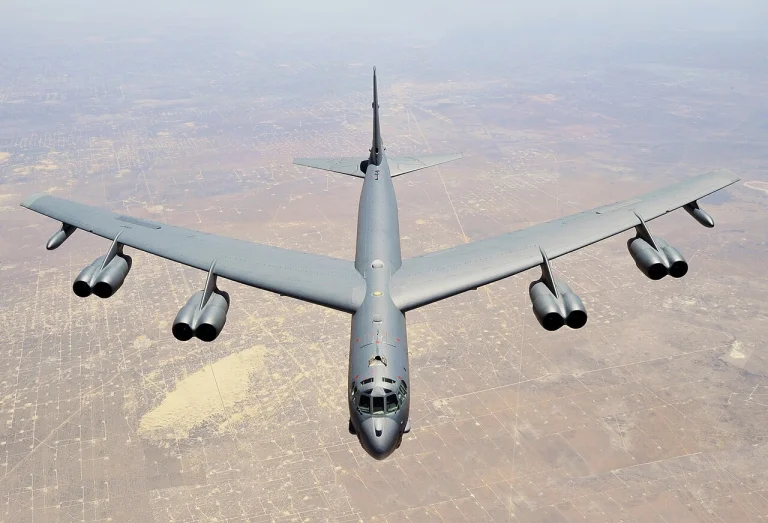
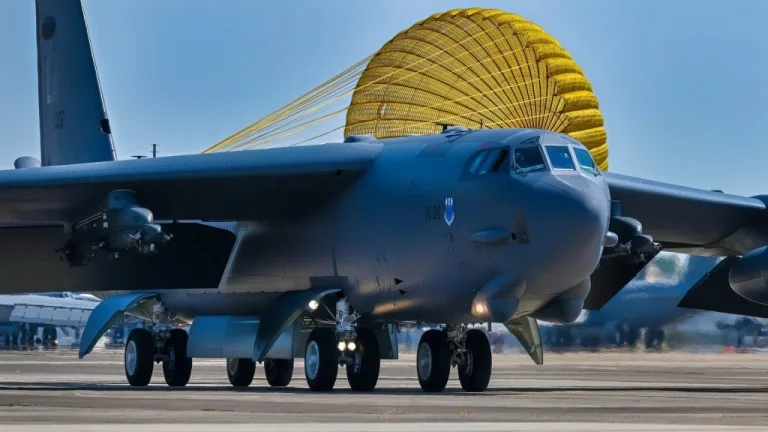
Paradoxically, alongside it continues to serve the veteran B-52H Stratofortress, which is older than many of its pilots. This enormous eight-engine behemoth lacks stealth capabilities, but its reliability and ability to carry a colossal payload of cruise missiles have made it a timeless aircraft. Thanks to extensive modernisation of its engines and electronics, the US Air Force plans to keep these aircraft in service until the 2050s. Meanwhile, the B-21 Raider — the successor to the B-2 — is already on the horizon and is undergoing active testing in 2026. It is designed as a “digital bomber”, capable of operating in both manned and unmanned modes, and is set to become a key element of the air force of the future.
C-130: From Transport Aircraft to the Angel of Death
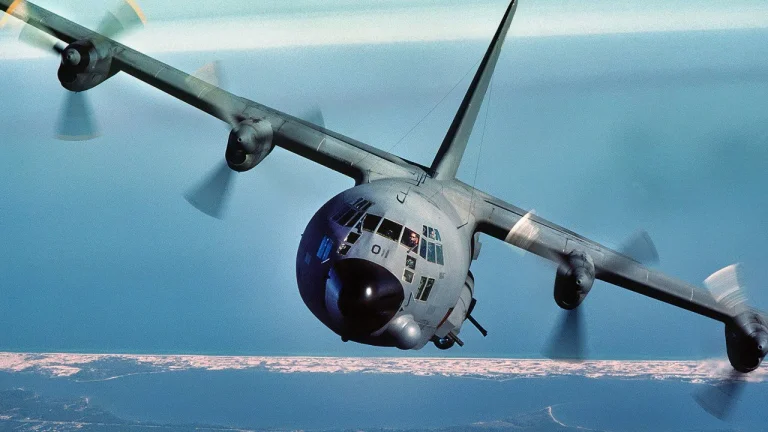
C-130 Hercules – The workhorse of the wilderness
The secret to the C-130’s success lies in its ability to turn any flat area into a fully-fledged airfield. Its high-mounted wing and four powerful turboprop engines allow it to operate in conditions where jet transport aircraft would struggle: on dusty dirt runways, icy airfields in Antarctica or short stretches of motorway. The massive rear ramp allows equipment to be dropped directly from the air or enables rapid unloading in “hot spots” without switching off the engines.
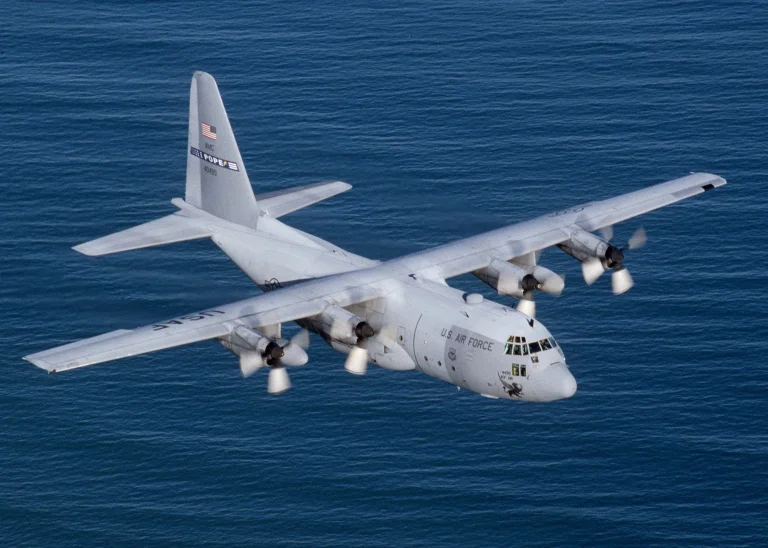
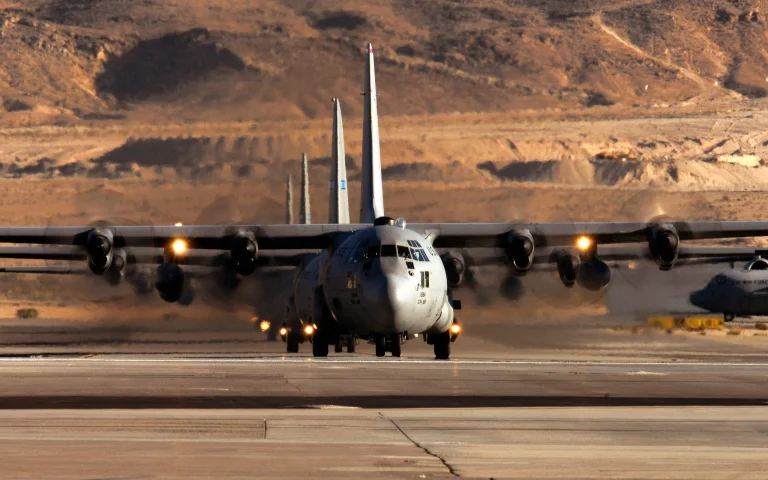
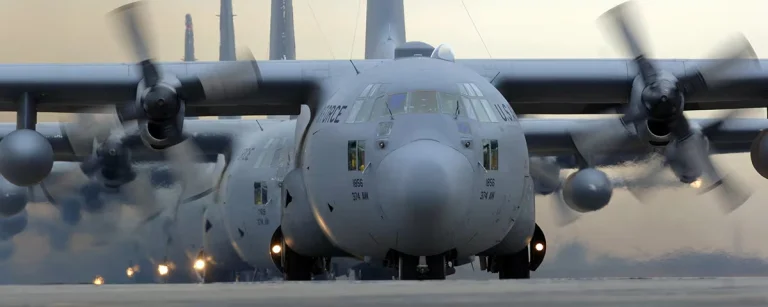
The current version of this aircraft is the C-130J Super Hercules. Externally, it retains its classic silhouette, but inside it is a completely different aircraft. New six-bladed propellers and Rolls-Royce AE 2100D3 engines have made it faster and more fuel-efficient, whilst the fully “glass” cockpit with HUD (head-up display) allows the crew to perform the most complex manoeuvres in poor visibility, relying on digital navigation and night-vision systems.
The C-130 Hercules is a rare example of a machine that has become the benchmark in its class. It does not try to be invisible or the fastest; its mission is to be where it is needed, whatever the conditions. Looking at the current modernisation plans, it is safe to say that the rumble of the Hercules’ four propellers will still be heard in the skies thirty years from now, confirming the old aviation adage: “The only replacement for a C-130 is another C-130”.
The Angel of Death: the AC-130 Gunship
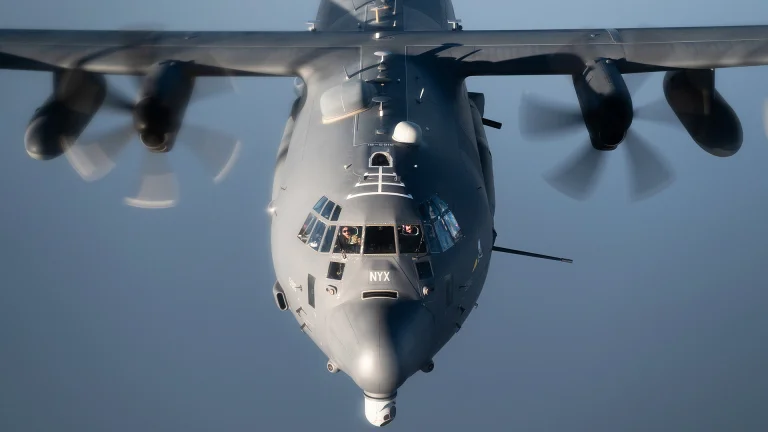
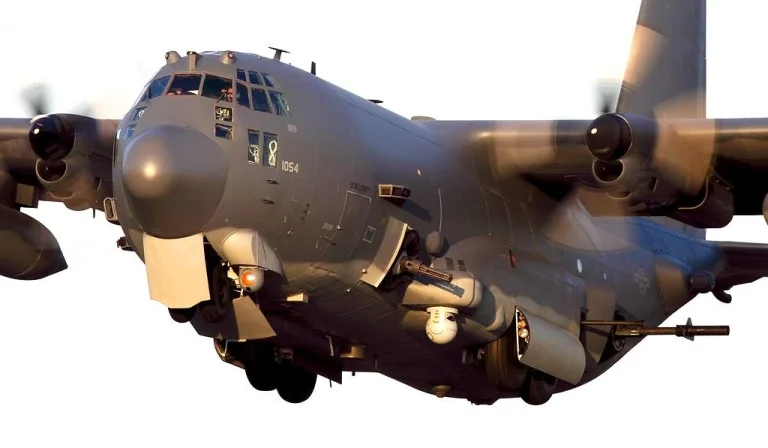
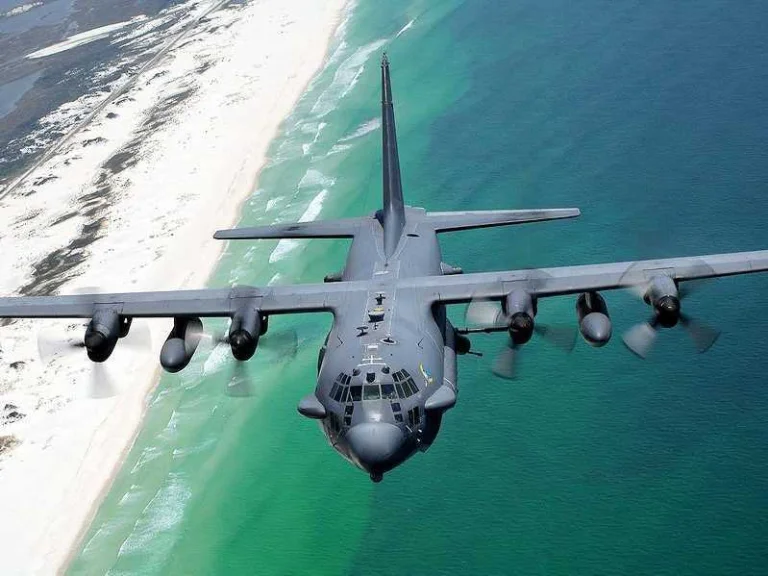
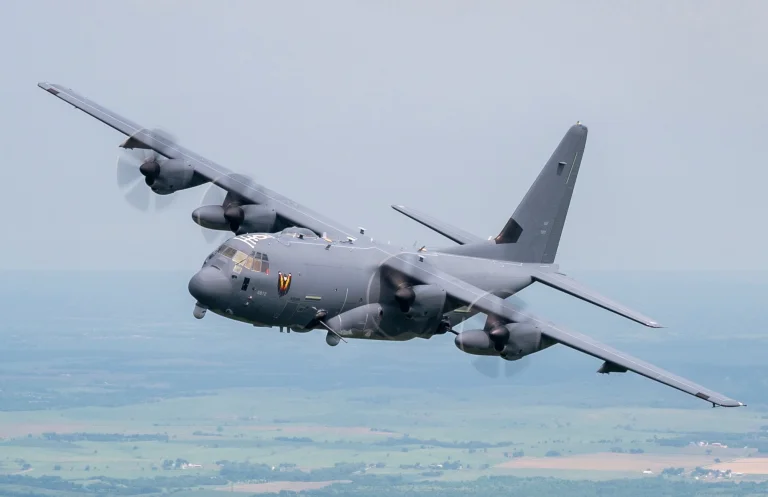
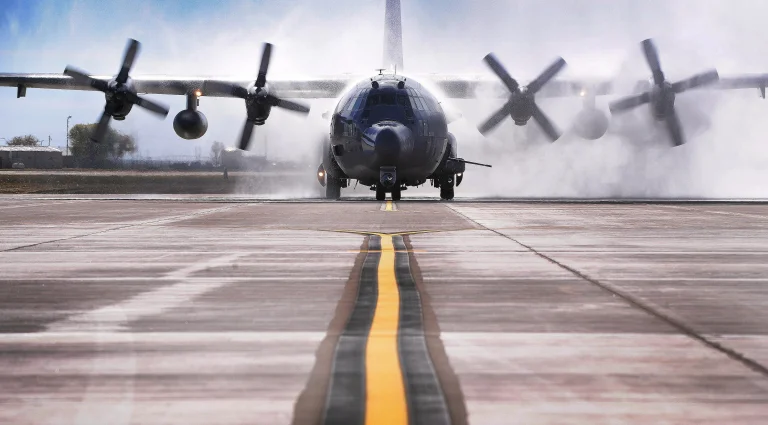
Perhaps the most formidable and famous variant of the “Hercules” is the heavily armed gunship AC-130. Whilst a standard C-130 carries supplies, this aircraft delivers retribution. In its latest variants, such as the AC-130J Ghostrider, an entire battery of weapons is mounted on the port side: ranging from a 30-mm automatic cannon to a full-fledged 105-mm howitzer.
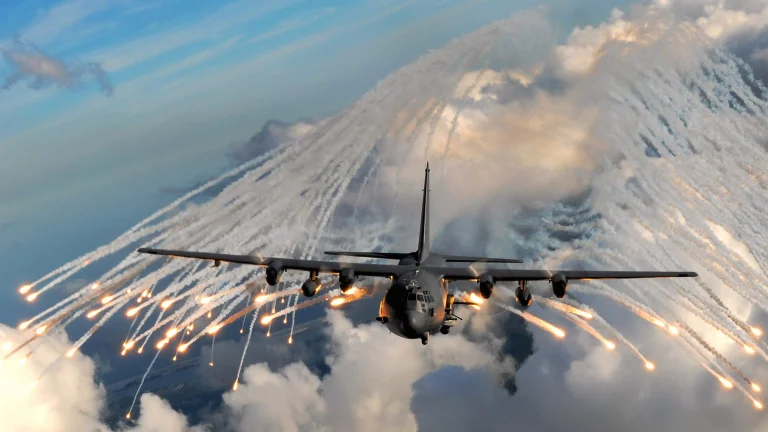
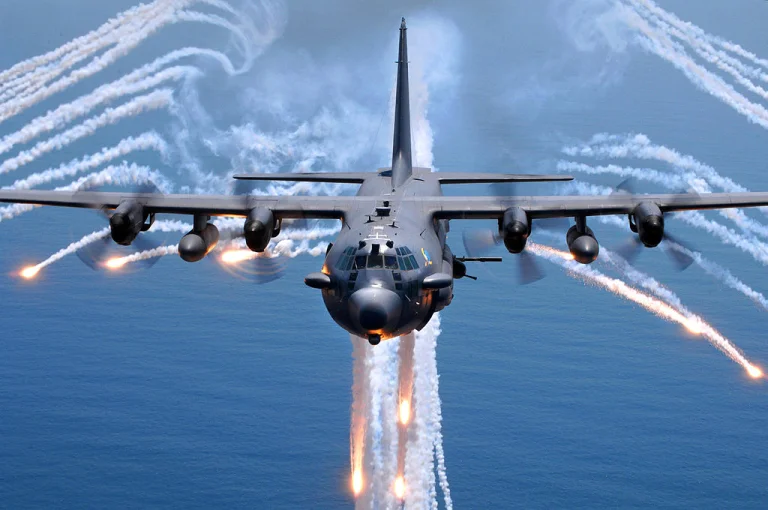
Its operational tactics are unique: the aircraft flies in a “loop around the target”, keeping the enemy constantly in the sights of its onboard guns. This makes the AC-130 the ideal means of providing fire support for special forces at night. High-precision guidance systems allow it to strike targets with surgical precision, whilst remaining out of range of man-portable air defence systems. It is precisely this combination of lethality and the characteristic heat decoys it fires whilst manoeuvring that has earned it the nickname “Angel of Death”.
-
- Lockheed AC-130 Gunship
-
- Lockheed AC-130 Gunship
-

- Lockheed AC-130 Gunship
-
- Lockheed AC-130 Gunship
The article “Modern US military aviation” includes a selection of thematic photo and images suitable for website design, articles, blogs, and creative projects. All images are free to download in high quality.
These images are also great as desktop wallpaper for your computer, phone, or tablet.
Don’t forget to rate and comment on this article – it helps other visitors to our site find popular and truly interesting posts and photos more quickly.


Similar Articles


Thematic Albums


Popular Images